Science news this week: Exploding rocket overshadows NASA's next steps to the moon, 'Doomsday Glacier' faces big loss, quantum computer AI hybrid shows impressive results, and war deepens Iran's water crisis
May 30, 2026: Our weekly roundup of the latest science in the news, as well as a few fascinating articles to keep you entertained over the weekend
NASA's moon plans overshadowed by gigantic rocket explosion, the Doomsday Glacier's ice shelf near collapse, a quantum computer AI hybrid, and Iran's water crisis.
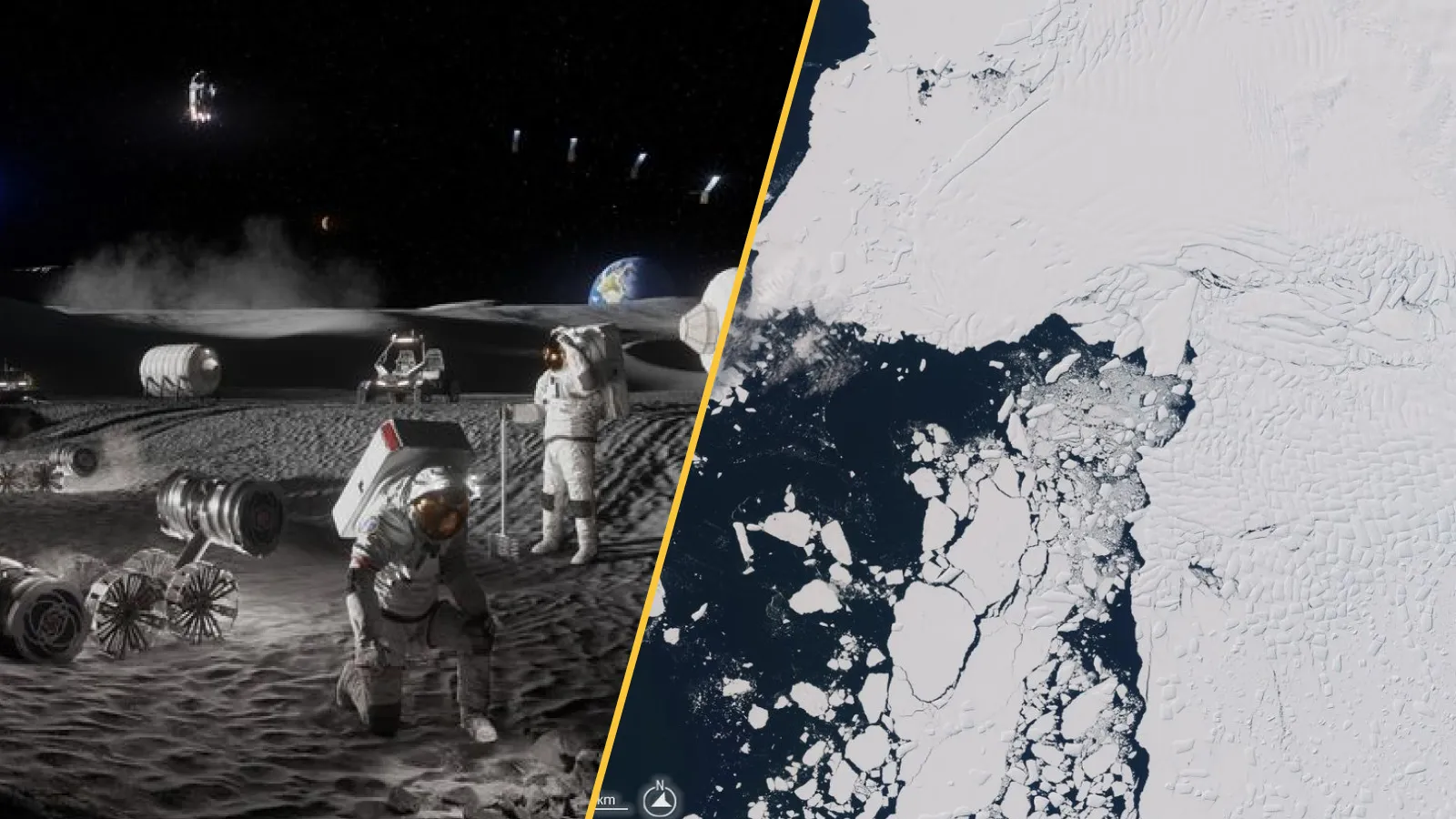
Three uncrewed missions targeted for later this year will involve private companies carrying payloads to the lunar surface ahead of astronauts' return by 2028. Nonetheless, some experts have voiced skepticism about NASA's highly ambitious timeline, with the gigantic detonation of Blue Origin's New Glenn rocket during a static "hotfire" test likely prompting significant delays.
Today's artificial intelligence (AI) chatbots are notoriously prone to getting things wrong.
To get more accurate, large language models historically (LLM) had to get bigger, using ever more parameters and thus gobbling up more compute time. Now, however, scientists have found a way around this seemingly inevitable tradeoff — and they did it by inserting a quantum computing component into the AI.
Sign up for the Live Science daily newsletter now
Get the world’s most fascinating discoveries delivered straight to your inbox.
The result led to a small reduction in the perplexity score — used to quantify the inaccuracies LLMs make in predicting their next tokens — and an improvement in the questions the hybrid AI could answer compared with a base model.
If you've taken a long-haul flight before, you're likely well aware of what jet lag feels like — the enervating feeling of temporal discombobulation that lingers for days after hopping into a new timezone. But what's going on in our bodies to cause it? And can it be prevented?
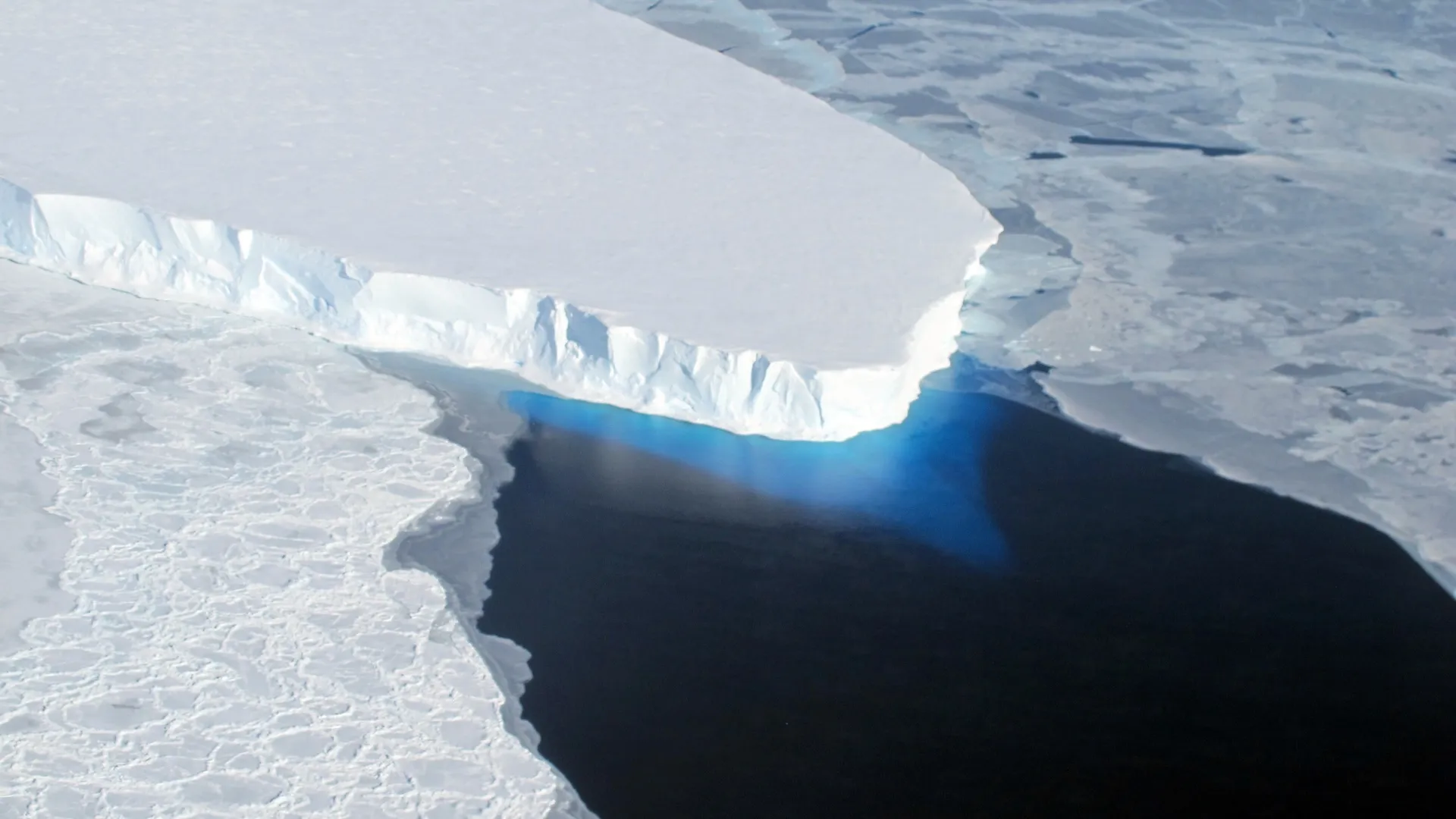
Antarctica's Thwaites Glacier is nicknamed the "Doomsday Glacier" because its collapse would raise global sea levels by 2.1 feet (65 centimeters) and flood coastal communities worldwide.
This week, we reported that a key shelf buttressing the glacier is set to fall apart this year.
It sounds depressing, but that doesn't necessarily spell immediate doom. While scientists can't put an exact timeline on Thwaites Glacier's collapse, they don't think it will be anytime soon. That at least gives people living in cities such as New York, Boston, and Miami a little time to consider moving inland.
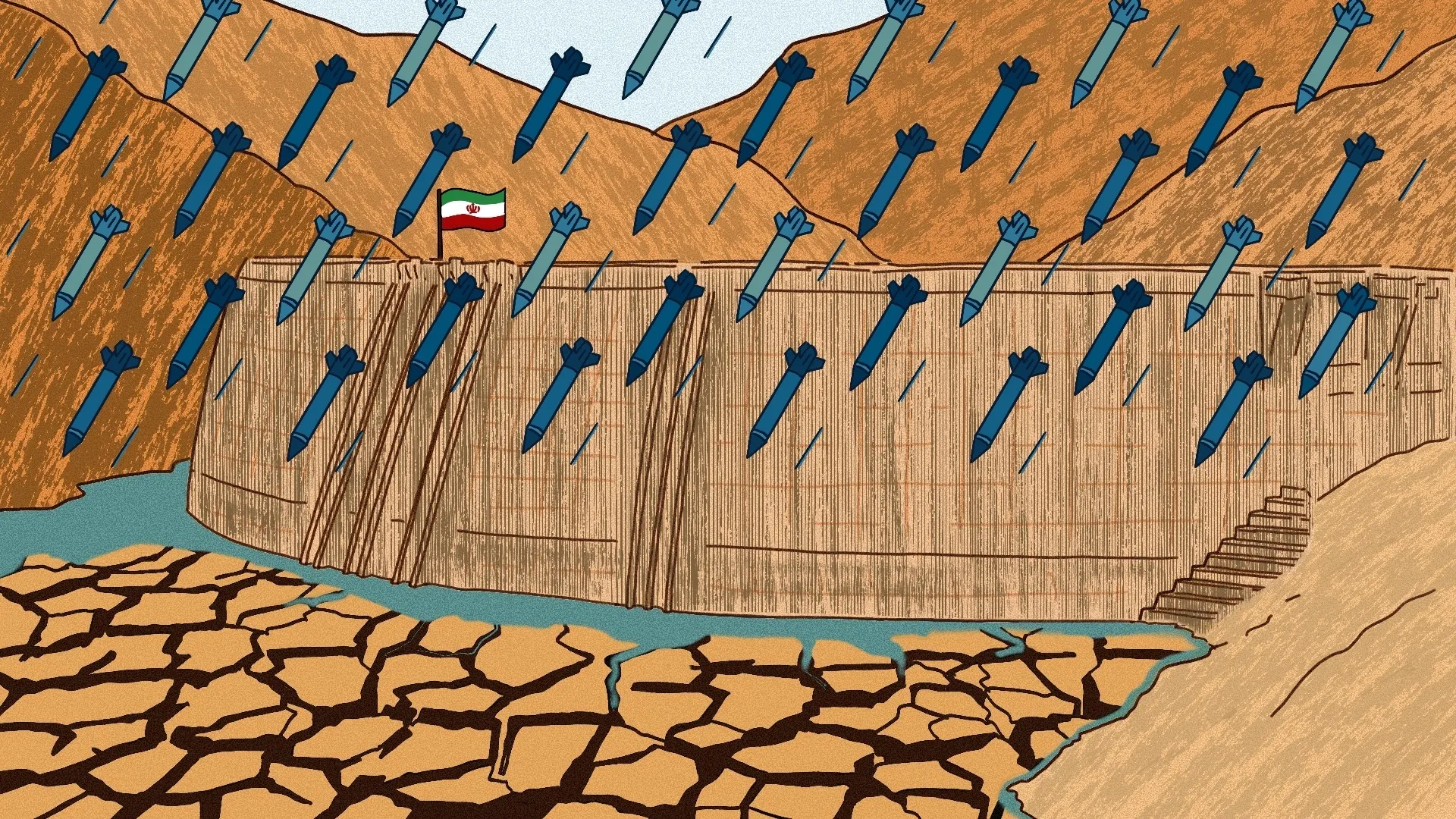
The U.S.-Israeli war has come at a price measured not just in military expenditures but in human lives, key infrastructure and rising energy prices.
But some costs of the war aren't immediately apparent. One of the less-publicized tolls, for example, is the effect on Iran's water system, which was already collapsing before the current war. In this Science Spotlight, Live Science staff writer Sascha Pare walks us through how the water crisis originated, how the war made things worse, and whether the situation can be turned around.
Something for the weekend
If you're looking for things to keep you busy over the weekend, here are some of the best news analyses, crosswords, interviews and opinion pieces published this week.
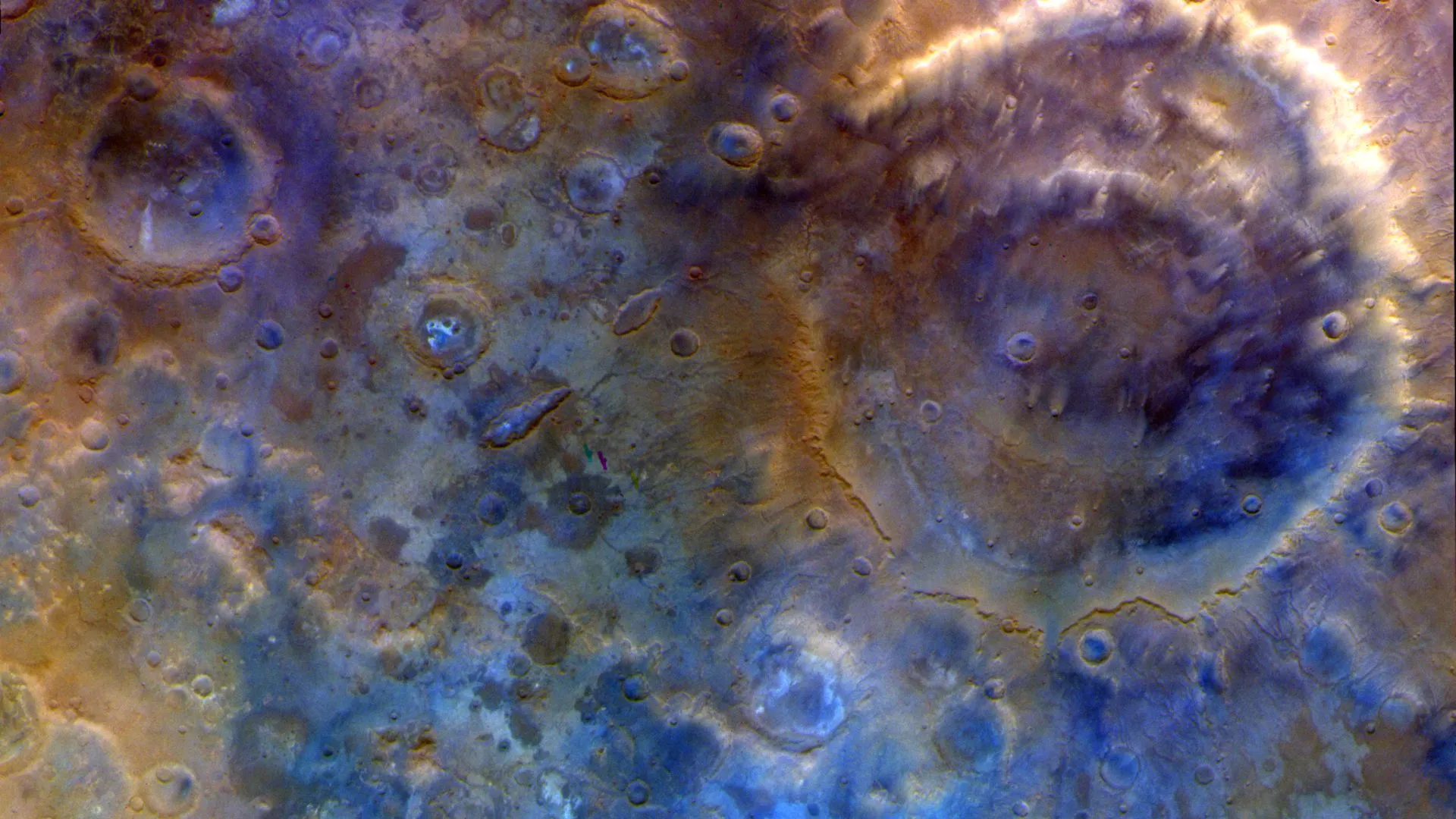
This snapshot of the bruised-blue Martian surface was taken by NASA's Psyche spacecraft as it passed within 2,864 miles (4,609 kilometers) of the Martian surface on May 15.
The image — a close-up of the double-ringed Huygens crater and the cratered southern highlands that surround it — was captured by the probe to test its multispectral cameras before it arrives at the metal-rich asteroid 16 Psyche in 2029. The enhanced-color processing in the photos revealed veins of hidden mineral deposits, hence the blue.
Ben Turner is a U.K. based writer and editor at Live Science. He covers physics and astronomy, tech and climate change. He graduated from University College London with a degree in particle physics before training as a journalist. When he's not writing, Ben enjoys reading literature, playing the guitar and embarrassing himself with chess.
You must confirm your public display name before commenting
Please logout and then login again, you will then be prompted to enter your display name.