-
 Facts About Gophers
Gophers are small, furry rodents that burrow tunnels through yards of North America and Central America.
land-mammals -
 Facts About Baboons
Baboons are the world’s largest monkeys. They have distinctive faces and butts.
primates -
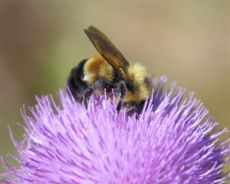 Facts About Bumblebees
Bumblebees are very important pollinators. Without them, food wouldn't grow.
insects -
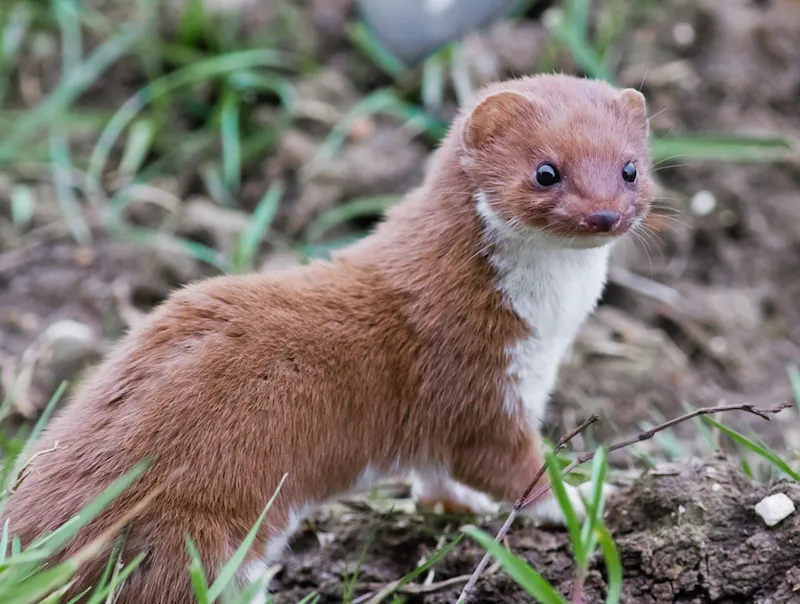
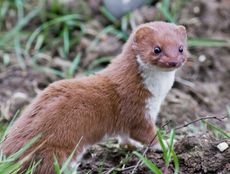 Facts About Weasels
Weasels are small, voracious carnivores that are found all over the world.
land-mammals -
 Facts About Red Pandas
Red pandas are small mammals with long, fluffy tails and red and white markings. They are not related to giant pandas.
bears -
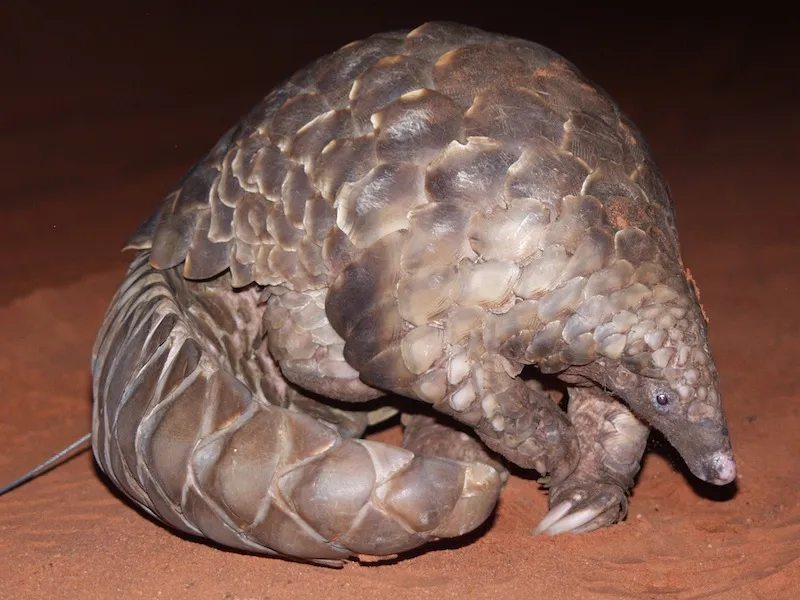
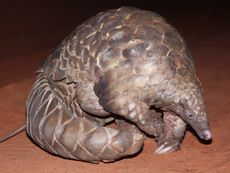 Facts About Pangolins
Pangolins, also called scaly anteaters, are covered in hard, armor-like scales. These mammals are one of the most trafficked mammals in Asia and Africa, and are endangered.
land-mammals -
 ChooseMyPlate: Tools & Resources for Healthier Diet
The U.S. government's Dietary Guidelines for Americans offers recommendations on food and nutrition. ChooseMyPlate.gov provides tools to help set dietary goals.
food-drink -
 What Is the MIND Diet?
The MIND diet is designed to lower the risk of Alzheimer's disease by promoting a diet consisting of brain-healthy foods.
food-drink -
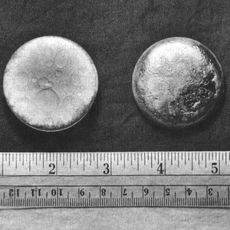 Facts About Plutonium
Properties, sources and uses of the element plutonium.
chemistry -
 Facts About Trans Fats
Trans fats, created by adding hydrogen to vegetable oil, are considered unhealthy. The FDA has ordered companies to remove partially hydrogenated oils from their food products by June 2018.
food-drink -
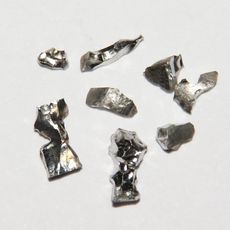 Facts About Iridium
Properties, sources and uses of the element iridium.
chemistry -
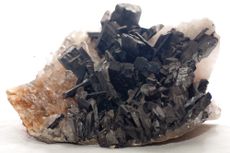 Facts About Tungsten
Properties, sources and uses of the element tungsten.
chemistry -
 Facts About Xenon
Properties, sources and uses of the element xenon.
chemistry -
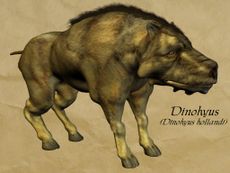 Entelodonts: Facts About Giant Killer 'Pigs'
Entelodonts, also called hell pigs, were large, primitive mammals that lived during the Eocene. They weren't, however, related to pigs.
land-mammals -
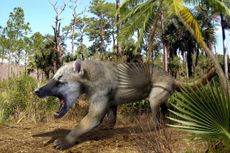 Facts About the Bear Dog
Neither bear nor dog, these extinct animals evolved to be massive predators.
bears -
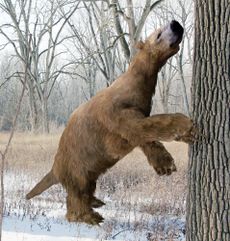 Facts About the Giant Ground Sloth
Giant ground sloths were large, lumbering beasts that lived in the Americas during the Ice Age. Thomas Jefferson is credited with discovering one species.
land-mammals -
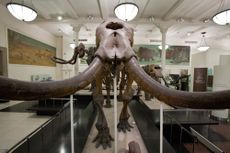 Facts About Mastodons
Mastodons were prehistoric relatives of today's elephants. They were related to — and not the same animals as — woolly mammoths.
extinct-species -
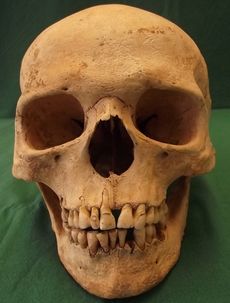 Leprosy: Causes, Symptoms & Treatment
Leprosy is a contagious, chronic disease, but if it is caught and treated quickly enough, the disease usually is not debilitating.
viruses-infections-disease -
 Brain Cancer: Causes, Symptoms & Treatment
Brain cancer affects 1 in 140 men and 1 in 180 women. It can change a person’s behavior and can be quite deadly, but it is rarely inoperable.
cancer -
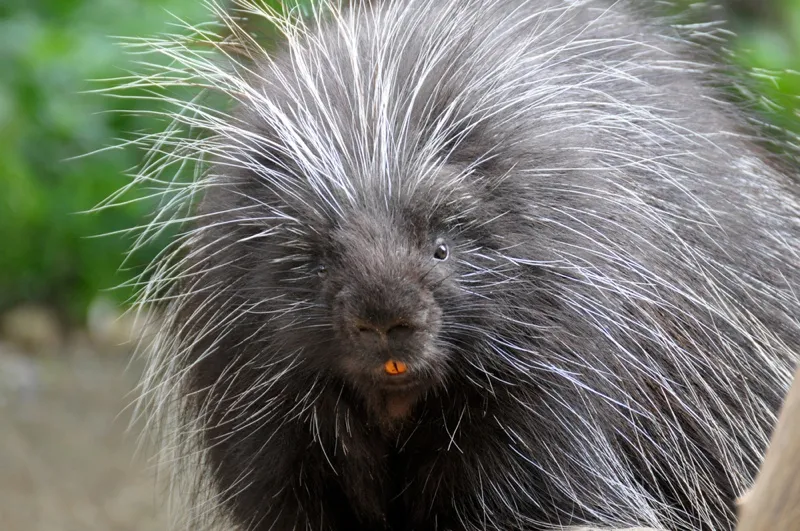
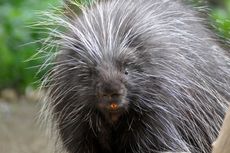 Facts About Porcupines
Porcupines are large, slow-moving rodents with sharp quills on their backs. They are found on every continent except Antarctica.
land-mammals -
 Facts About the Global Seed Vault
The Global Seed Vault is a storage facility that safely stores the world's seeds in case of worldwide disaster.
human-behavior -
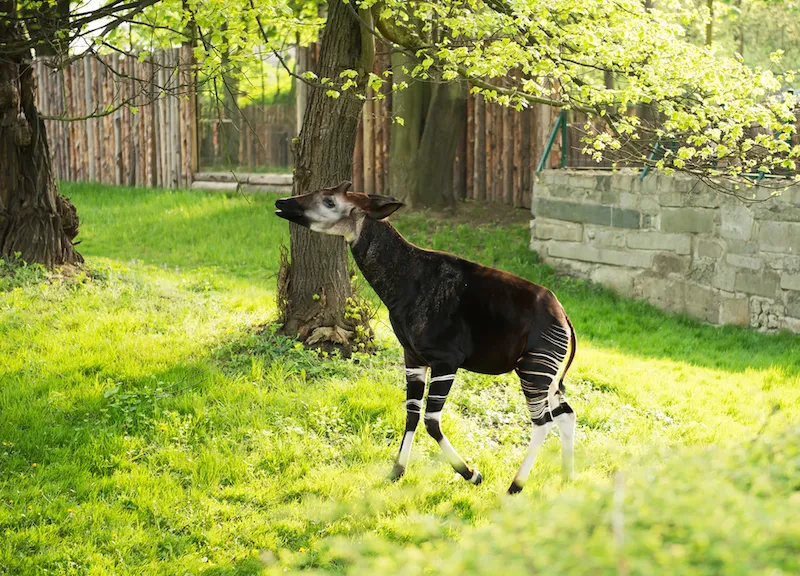
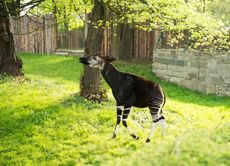 Okapi: Facts About the Forest Giraffe
The okapi is a relative of the giraffe, but it has the body of a horse and stripes like a zebra.
land-mammals -
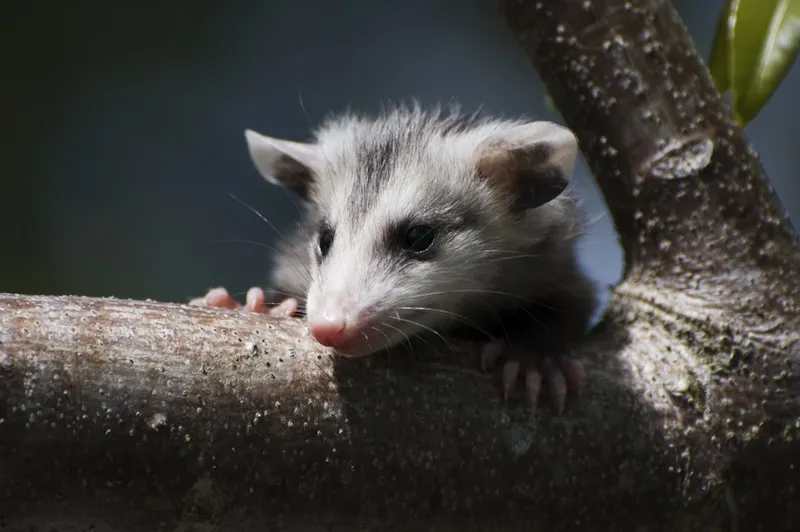
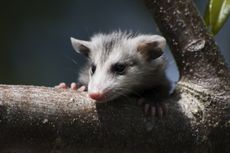 Facts About the Common Opossum
The opossum is the only marsupial that is native to North America.
land-mammals -
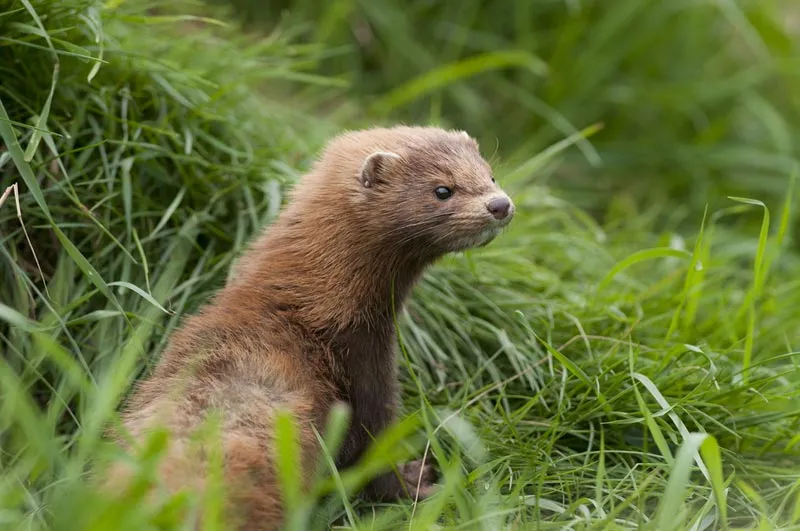
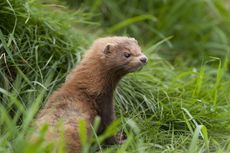 Facts About Minks
Minks are small mammals with long, thin bodies, short legs, pointed snouts and claws. There are two species: American minks and European minks.
land-mammals