-
 Herbivores: Facts About Plant Eaters
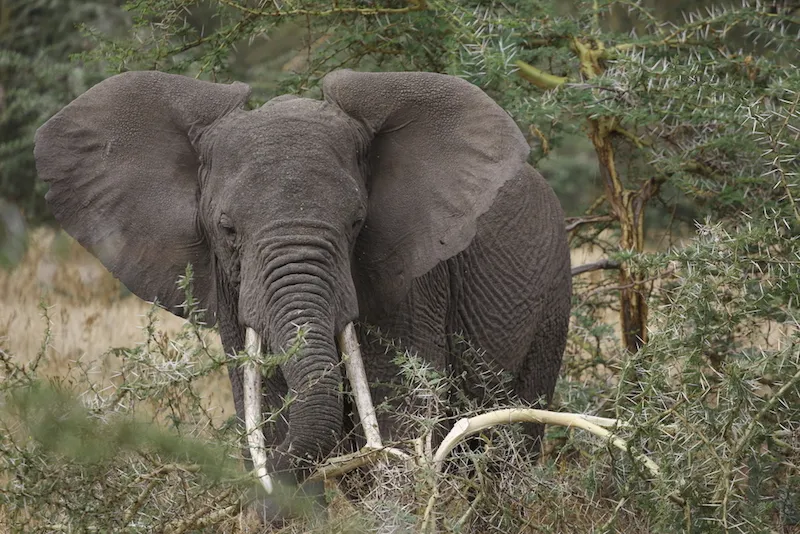
An herbivore is an animal or insect that only eats vegetation, such as grasses, fruits, leaves, vegetables, roots and bulbs.
animals -
 Food Labels: Definition of Natural & Organic
"Natural" and "organic" are common on food labels, but the terms can be confusing. There are, however, specific definitions for each term.
food-drink -
 Facts About Sheep
There are thousands of breeds of domestic sheep, and at least four species of wild sheep.
land-mammals -
 Facts About Raccoons
The masked bandits of the animal kingdom they live in a wide range of climates and habitats.
land-mammals -
 Facts About Wombats
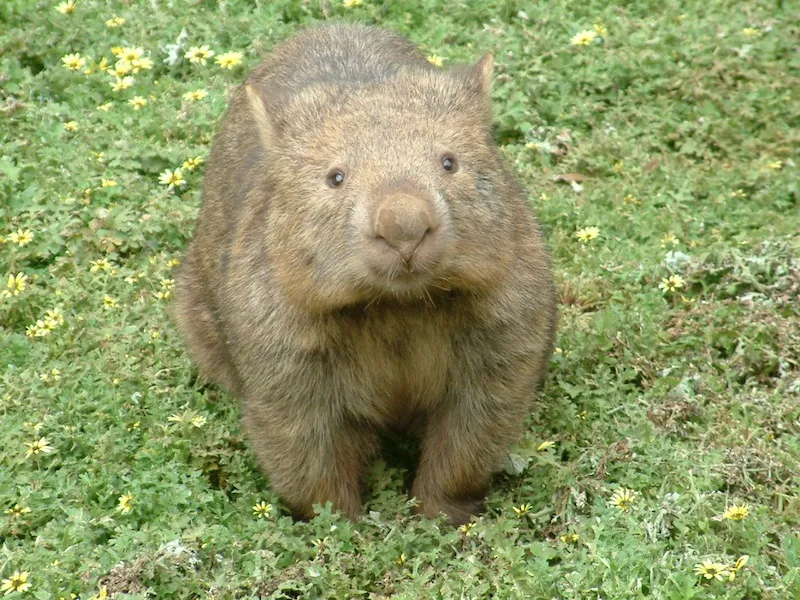
Wombats are small marsupials that look like a cross between a bear, a pig and a gopher.
land-mammals -
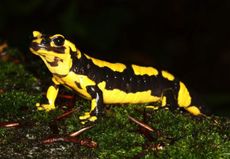 Facts About Salamanders
Salamanders are amphibians that look like a cross between a frog and a lizard. Species include newts, mudpuppies and hellbenders.
amphibians -
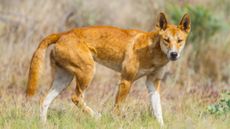 Facts about dingoes
The dingo is a wild, medium-size canine that has roamed Australia for thousands of years.
land-mammals -
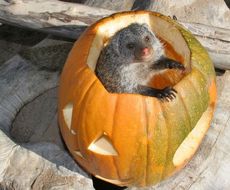 Mongoose Facts
The mongoose is a long, furry creature with a legendary reputation as a ferocious snake fighter.
land-mammals -
 Facts About Impalas
Impalas are medium-sized antelopes that are native to Africa. They are great jumpers that use their speed to escape predators.
land-mammals -
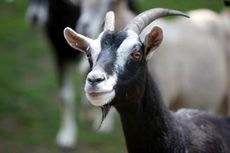 Facts About Goats
Goats are among the earliest domesticated animals. Mountain goats live in steep, rocky areas.
land-mammals -
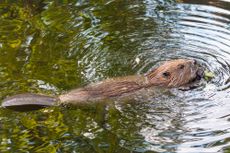 Facts About Beavers
The phrase "busy as a beaver" aptly describes these big-toothed rodents that can change the landscape and their environment.
land-mammals -
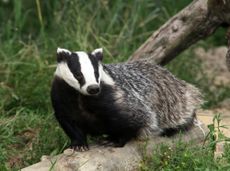 Facts About Badgers
Badgers are small mammals that are ferocious hunters and members of the largest family of carnivores.
land-mammals -
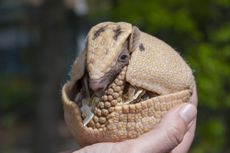 Armadillo Facts
Armadillos are small mammals with a shell of armored plates that protect them from predators.
land-mammals -
 The Tongue: Facts, Function & Diseases
The tongue is a mighty flexible organ. It enables licking, breathing, tasting, swallowing and speaking.
anatomy -
 Turtle Facts
Turtles, tortoises and terrapins are reptiles with protective shells. They live on land, in the ocean and in lakes and rivers. There are more than 300 species.
turtles-tortoises -
 Nose: Facts, Function & Diseases
The nose is part of the respiratory system and also contributes to other important functions, such as hearing and tasting.
anatomy -
 Stomach: Facts, Functions & Diseases
The stomach is a bean-shaped sack located behind the lower ribs. It is the first stop in the digestive tract before food moves on to the small intestine.
anatomy -
 Vitamin B6: Sources & Benefits
Vitamin B6 is important to maintaining a healthy body and developing a healthy brain.
food-drink -
 What is Thiamine (Vitamin B1)?
Vitamin B1, also called thiamine, is a B complex vitamin. It is found in many foods and is vitally important to keeping a body operating properly.
food-drink -
 What is Biotin (Vitamin B7)?
Vitamin B7, also called biotin, is a vital part of a healthy metabolism and creating important enzymes.
food-drink -
 What Is Folic Acid (Folate)?
Folic acid is a synthetic form of folate, also known as vitamin B9. It is commonly prescribed for pregnant women.
food-drink -
 Hedgehog Facts
Hedgehogs are small mammals with cone-shaped faces, short legs and bodies that are covered with porcupine-like quills, but they are not closely related to porcupines.
land-mammals -
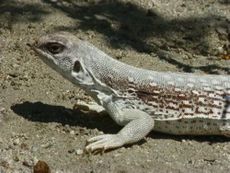 Iguana Facts
Iguanas are lizards identified by their stocky stature, saggy skin and spines. They are popular pets and can live 15 to 20 years if cared for properly.
lizards -
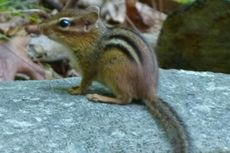 Chipmunk Facts
Chipmunks are rodents that are a type of squirrel. They are identified by their stubby legs, bushy tails and the white, black and brown stripes that run down their backs.
land-mammals