Think you already had COVID-19? New antibody study may find out.
Researchers will analyze participants' blood samples for the presence of antibodies against SARS-CoV-2.

The U.S. National Institutes of Health (NIH) is starting a study to determine how many Americans have already had COVID-19 without knowing it.
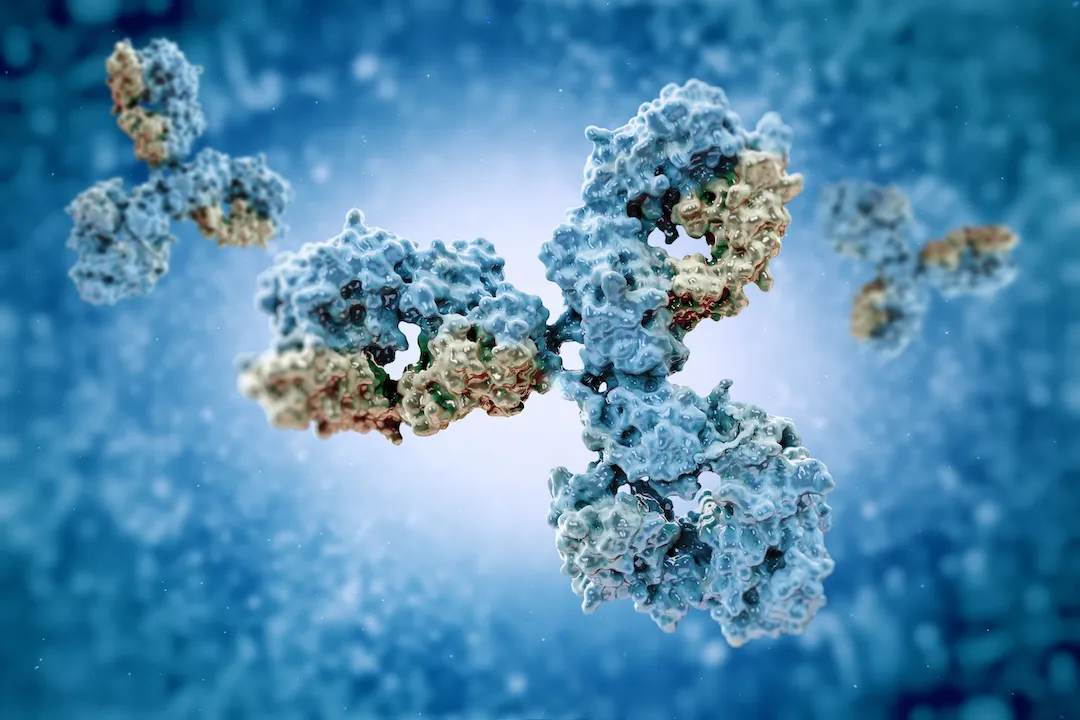
The researchers will analyze participants' blood samples for the presence of antibodies against SARS-CoV-2, the virus that causes COVID-19. These antibodies can show if a person has been infected with COVID-19 in the past.
Coronavirus science and news
—Coronavirus in the US: Map & cases
—What are coronavirus symptoms?
—How deadly is the new coronavirus?
—How long does coronavirus last on surfaces?
—Is there a cure for COVID-19?
—How does coronavirus compare with seasonal flu?
—How does the coronavirus spread?
—Can people spread the coronavirus after they recover?
"This study will give us a clearer picture of the true magnitude of the COVID-19 pandemic in the United States by telling us how many people in different communities have been infected without knowing it, because they had a very mild, undocumented illness or did not access testing while they were sick," Dr. Anthony Fauci, director of the National Institute of Allergy and Infectious Diseases (NIAID) said in a statement. "These crucial data will help us measure the impact of our public health efforts now and guide our COVID-19 response moving forward."
People who enroll in the study will first attend a virtual clinic visit and complete a health questionnaire. Next, they'll submit a blood sample by either having their blood drawn at the NIH Clinical Center in Bethesda, Maryland, or taking a blood sample at home with a special testing kit that will be sent to them, and which they will return by mail. The at-home test involves a small finger prick to obtain a blood sample.
"An antibody test is looking back into the immune system’s history with a rearview mirror," said Dr. Matthew Memoli, principal investigator of the study and director of NIAID's Laboratory of Infectious Diseases Clinical Studies Unit. "By analyzing an individual's blood, we can determine if that person has encountered SARS-CoV-2 previously."
People interested in participating in the study should email clinicalstudiesunit@nih.gov for more information.
- The 12 deadliest viruses on Earth
- 11 ways processed food is different from real food
- 20 of the worst epidemics and pandemics in history
Originally published on Live Science.