













Marijuana Use May Raise Risk of Developing High Blood Sugar

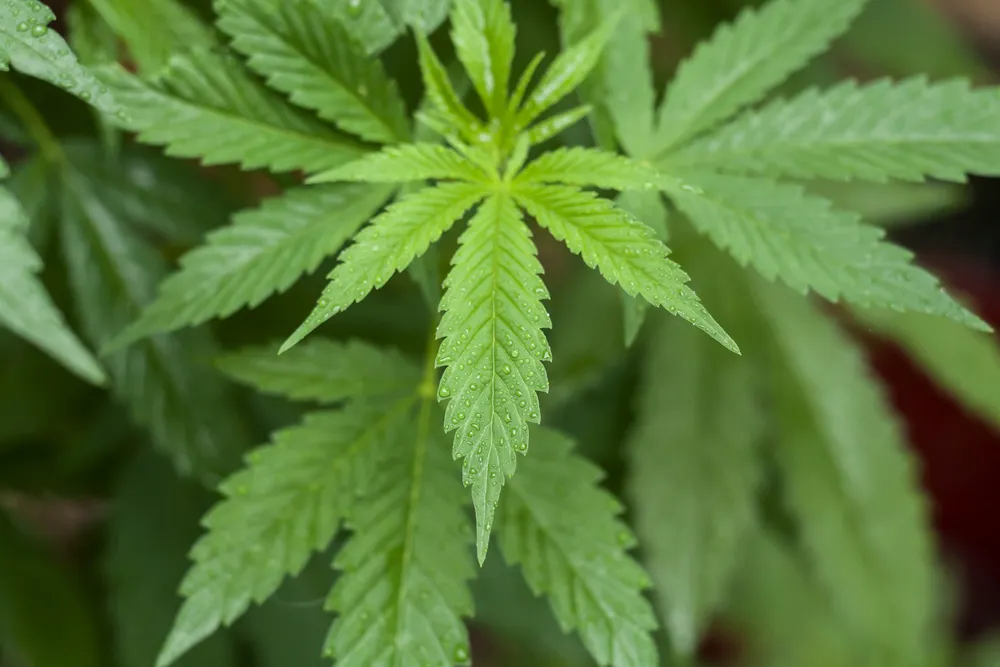
Marijuana may raise people's risk of developing prediabetes, a condition in which blood sugar levels are abnormally high but not high enough to warrant a diagnosis with type 2 diabetes, a new study finds.
In the study, researchers found that people who used large amounts of marijuana during young adulthood were 40 percent more likely to develop prediabetes as middle-age adults than those who had never tried the drug.
However, marijuana use was not linked to an increased risk of having type 2 diabetes, according to the study, published today (Sept. 13) in the journal Diabetologia. [Marijuana vs. Alcohol: Which Is Worse for Your Health?]
Previous studies looking at marijuana use had found that users have lower rates of diabetes compared with nonusers, said Michael Bancks, a Ph.D. student at the University of Minnesota and lead author of the study. But in those studies, both marijuana use and diabetes were assessed at the time, meaning it was unclear whether people were using the drug before they developed diabetes, or afterward, he said.
"We felt we could address the potential limitations of previous research and add new information to our understanding of the relationship between marijuana use and subsequent metabolic health," Bancks told Live Science. Diabetes is a metabolic condition.
The results of the new study, however, contradict the results of previous studies that found that using marijuana may reduce the risk of developing diabetes, he said.
In addition, "it's unclear how marijuana use could place an individual at increased risk for prediabetes, yet not diabetes," the researchers wrote.
Get the world’s most fascinating discoveries delivered straight to your inbox.
The researchers offered several reasons to explain this observation. For one, it's possible that people who were more likely to develop diabetes were left out of the study, because in order to be included, people had to be free of diabetes at the start of the follow-up period, the researchers wrote. It is also possible that marijuana may have a larger impact on blood sugar levels in the prediabetes range than the diabetes range, the researchers wrote.
Bancks said more research is needed to study the possible link, adding that researchers should look at different groups of people, how marijuana is consumed and the amount consumed, he said.
Still, Bancks encourages doctors to discuss the potential risks of using the drug with their patients. People who use marijuana should be informed that it may increase their risk of developing prediabetes, he said. And doctors should monitor the blood sugar levels of patients with "an extensive history of marijuana use," he said.
Marijuana use is on the rise, and other researchers are also taking a hard look at the health effects of the drug. In a 2014 review, researchers highlighted other health risks of marijuana, including an increased risk of cognitive impairment and psychoses.
Indeed, "there are many questions about the health effects of marijuana use where the answers are unknown," Bancks said. "The increased legalization and use of marijuana will draw more attention from researchers and users, and we will learn more as research on the health effects of marijuana use increases."
Follow Live Science @livescience, Facebook & Google+. Originally published on Live Science.
