
-
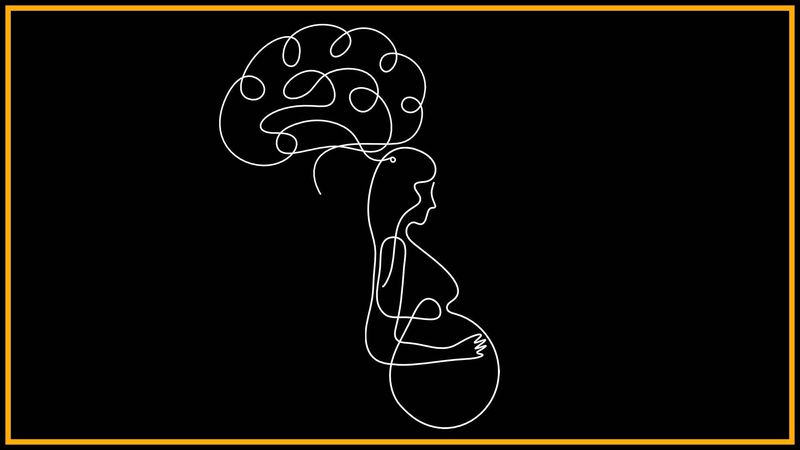 For centuries, we drew the pregnant body without a head. Now we need to fill in what we left blank.
Opinion We need to understand how motherhood changes the brain, says neuroscientist Susana Carmona.
Opinion -
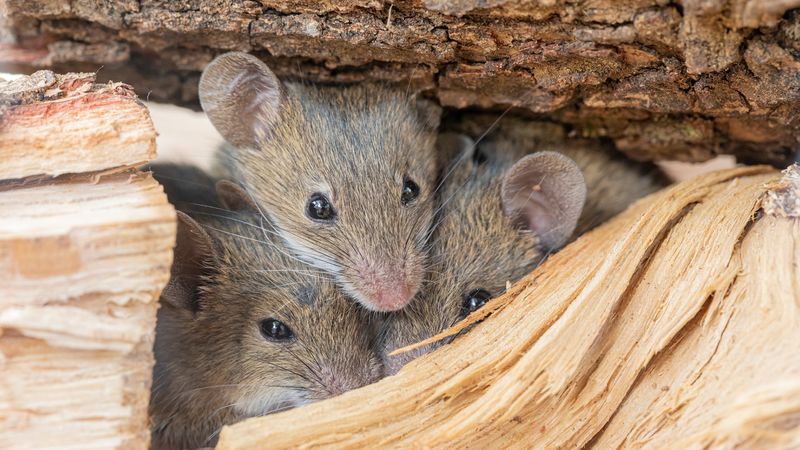 Women often get cold more easily than men — a mouse study offers hints why
A new study points to testosterone and proteins in the skin as reasons why males and females experience temperatures differently.
8 Commentsneuroscience -
 'Now you actually have a blood test': Psychiatry's bible, the DSM, is getting upgraded to include biological markers. A psychiatrist explains what that means for mental health.
Interview Live Science spoke with psychiatrist Anand Kumar about the next edition of the "Diagnostic and Statistical Manual of Mental Disorders," which will include biological factors like genetics in studying and diagnosing psychiatric conditions.
Interview -
 Neuroscientists reveal method to train people to have lucid dreams — and it involves virtual reality and meditation
People who had no recollection of a lucid dream over the past three years developed the skill after one month of performing a novel training regimen twice a week, neuroscientists report.
3 Commentsneuroscience -
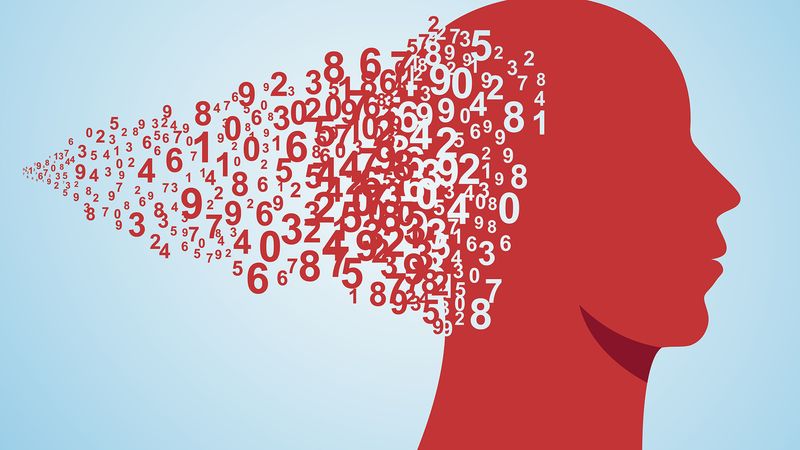 Brain scans reveal 'number line' that's used to mentally compare values
Although whole numbers and fractions are processed differently in the brain, when you compare their values, a single "mental map" akin to a number line lights up.
neuroscience -
 Ultrasound waves that jiggle deep brain structures may relieve delusions in schizophrenia, small trial hints
In a new pilot study, 10 minutes of transcranial ultrasound stimulation reduced patients' delusion severity, scientists report.
neuroscience -
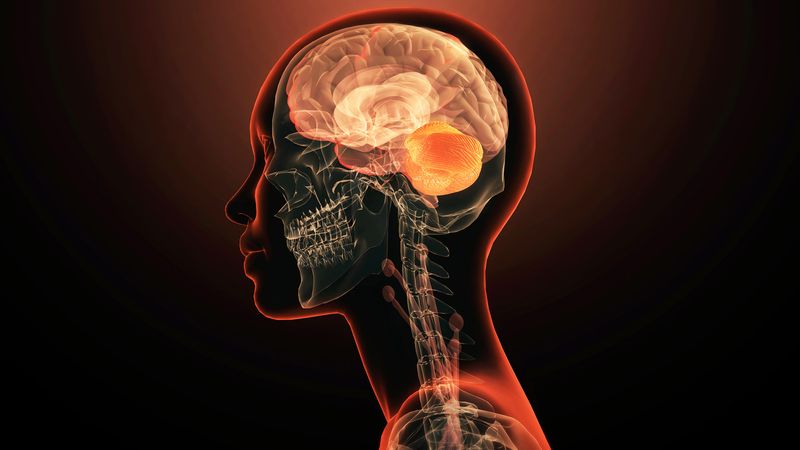 Is the brain actually 2 nervous systems smooshed together? A new study claims it is.
A recent study may reshape our understanding of brain evolution and open new avenues for studying neurological diseases.
neuroscience -
 Chronic back pain may activate an unexpected brain network, study finds
Movement-induced flares in chronic back pain activate brain regions involved in self-reflection, suggesting chronic pain may be processed differently than acute pain.
neuroscience -
 Could psilocybin treat brain injuries? Neuroscientist explains how psychedelics could fill a gap in head trauma care
Interview Live Science spoke with neuroscientist Argel Aguilar-Valles about recent research exploring psychedelics as a treatment for mild head trauma.
Interview


