
-
 Owning a cat will change your brain. Here's how.
When you cuddle a cat, the ‘love hormone’ oxytocin is rising in both your brains.
neuroscience -
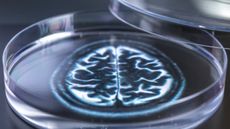 If tiny lab-grown 'brains' became conscious, would it still be OK to experiment on them?
A perspective paper published this week argued that brain organoids could soon gain consciousness, and we should consider stricter regulations around them.
10 Commentsneuroscience -
 Tiny 'brains' grown in the lab could become conscious and feel pain — and we're not ready
Lab-grown brain tissue is too simple to experience consciousness, but as innovation progresses, neuroscientists question whether it's time to revisit the ethics of this line of research.
11 Commentsneuroscience -
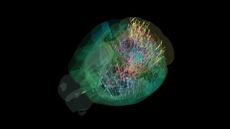 Map of 600,000 brain cells rewrites the textbook on how the brain makes decisions
A new study shows that the brain activity behind decision-making is far more widespread across the organ than first thought.
5 Commentsneuroscience -
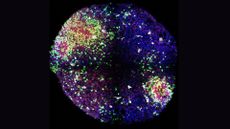 'Minibrains' reveal secrets of how key brain cells form in the womb
Miniature models of the brain have revealed a "previously unappreciated" role of microglia, a type of cell found within the organ. The finding could help unpack how disorders such as autism arise.
neuroscience -
 New brain implant can decode a person's 'inner monologue'
A new brain-computer interface can decode a person's inner speech, which could help people with paralysis communicate.
14 Commentsneuroscience -
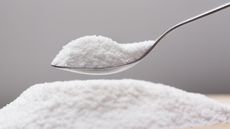 No-sugar sweetener erythritol may pose risk to cells in the brain
A popular zero-calorie sweetener could injure cells in the brain's blood vessels, a lab study finds. Here's what we know so far.
6 Commentsneuroscience -
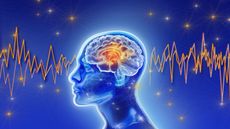 When your mind goes 'blank,' your brain activity resembles deep sleep, scans reveal
Neuroscientists think moments of "mind blanking" could be a way for the brain to protect itself.
16 Commentsneuroscience -
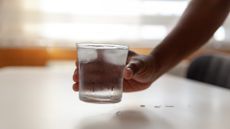 Warm and cool temperatures travel on completely different paths to the brain
Researchers have mapped out the neural pathway that humans use to perceive cool temperatures and found that it's separate from the one for sensing heat.
neuroscience


