
-
 Mental 'time travel' may help restore fading memories
A new study suggests that recalling the context in which a memory was made can help to restore the memory after it has started to erode.
5 Commentsneuroscience -
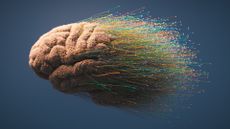 Memories aren't static in the brain — they 'drift' over time
A new mouse study of spatial memory suggests that the brain's representation of places "drifts" over time.
2 Commentsneuroscience -
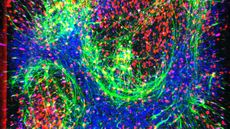 New pocket-size model of ALS 'breathes and flows like human tissue'
A stem-cell-based "organ-on-a-chip" model of ALS mimics early biological changes seen in the degenerative disease.
neuroscience -
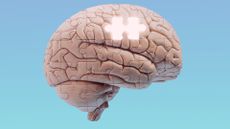 Can your brain run out of memory?
Your memory relies on reusing, overlapping and adapting rather than on a fixed number of storage spots.
3 Commentsneuroscience -
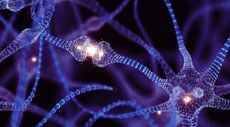 Can adults make new brain cells? New study may finally settle one of neuroscience's greatest debates
Scientists say they have very strong evidence that the adult human brain is capable of making new neurons, a point of ongoing controversy in neuroscience.
5 Commentsneuroscience -
 Zapping the brain may help boost math skills, study hints
A study suggests that carefully controlled electrical stimulation of the brain may improve math skills, most significantly in people with weaker connections in a specific part of the brain.
neuroscience -
 Ketamine may treat depression by 'flattening the brain's hierarchies,' small study suggests
Ketamine leads to increased communication between areas of the brain that don't typically engage with each other, new research suggests.
neuroscience -
 The brain might have a hidden 'off switch' for binge drinking
Flipping the switch on fewer than 500 neurons dramatically reduces the alcohol consumption of mice. This novel finding could lead to new targets for therapeutics.
neuroscience -
 1 psychedelic psilocybin dose eases depression for years, study reveals
Half a decade after receiving a psychedelic treatment for depression, two-thirds of patients in a new study remained in remission.
5 Commentsneuroscience


