
-
 'As if a shudder ran from its brain to its body': The neuroscientists that learned to control memories in rodents
In this adapted excerpt from "How to Change a Memory," author and neuroscientist Steve Ramirez recounts the events that led him and his colleagues to discover memories could be artificially controlled in rodents by zapping their brains with lasers.
3 Commentsneuroscience -
 Which animals are tricked by optical illusions?
It's not just humans who notice optical illusions; certain animals do too, and they often use it to their advantage.
neuroscience -
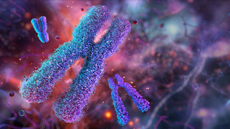 Gene on the X chromosome may help explain high multiple sclerosis rates in women
A gene on the X chromosome revs up inflammation in the female brain, which may explain why rates of multiple sclerosis are higher in women than in men, scientists suggest.
neuroscience -
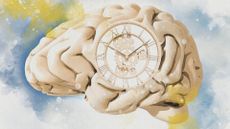 New study reveals why time seems to move faster the older we get
A new study hints that age-related changes in our brains may explain why time feels like it's slipping away faster with every passing year.
19 Commentsneuroscience -
 How do our brains wake up?
How do we go from sound asleep to awake in the blink of an eye?
neuroscience -
 Diagnostic dilemma: A brain lesion gave a woman a lifetime of joyless laughing fits
A woman had experienced sudden bursts of uncontrolled laughter her whole life. A brain scan revealed why.
neuroscience -
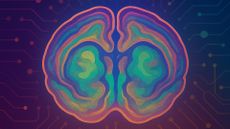 Scientists used AI to map uncharted areas of the mouse brain
A new brain map details regions of the organ that had previously been difficult to chart.
neuroscience -
 Ancient Hobbits slowed down growth during childhood, showing that humans didn't always grow 'bigger and bigger brains'
Opinion Hobbits of Flores evolved to be small by slowing down growth during childhood, new research on teeth and brain size suggests.
Opinion -
 'Groundbreaking' gene therapy is first treatment for Huntington's disease to slow the condition
Results from a three-year trial suggest an experimental gene therapy for Huntington's disease can slow the progression of the deadly condition by 75%.
neuroscience


