
-
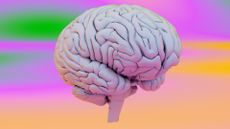 Strikingly simple 'dial' in the brain may help it distinguish imagination from reality
Activity levels in a specific region of the brain predict whether we think something is real, irrespective of whether we've seen it or imagined it.
12 Commentsneuroscience -
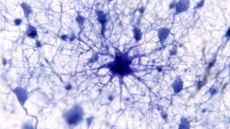 Star-shaped brain cells may underpin the brain's massive memory storage
A new machine learning model shows that star-shaped brain cells may be responsible for the brain's memory capacity, and someday, it could inspire advances in AI and Alzheimer's research.
neuroscience -
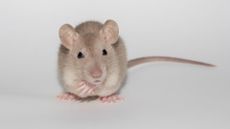 'Rubber paw illusion': Mice can 'sense' artificial limbs, just as humans do
Scientists have introduced a new laboratory model that could help them study how artificial limbs can be better designed.
neuroscience -
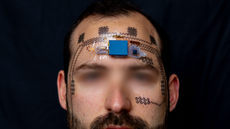 Electronic face 'tattoos' could measure your mental strain at work
A disposable, electronic "tattoo" that measures mental workload could be used to enhance safety in high-pressure jobs, researchers say.
neuroscience -
 How are you able to read words without vowels?
The human brain can make sense of sentences — even when the vowels are missing.
neuroscience -
 Can adults grow new brain cells?
Scientists are still debating whether the human brain is capable of growing new cells past childhood.
neuroscience -
 Your moral compass is tied to how in tune you are with your body, study hints
A recent study draws a connection between people's bodily awareness and how they find solutions to moral dilemmas.
neuroscience -
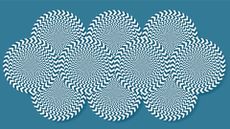 35 optical illusions
Artists and scientists have been creating optical illusions for centuries. Here are 35 mind-bending examples that prove you can't always trust what your eyes are telling you.
neuroscience -
 Immune system genes are linked to bigger brains and longer lifespans in mammals
The genomes of long-living, big-brained mammal species reveal that they carry more copies of immunity genes. Experts speculate that these genes may affect longevity.
neuroscience


