















Obesity: Causes, Complications & Treatments

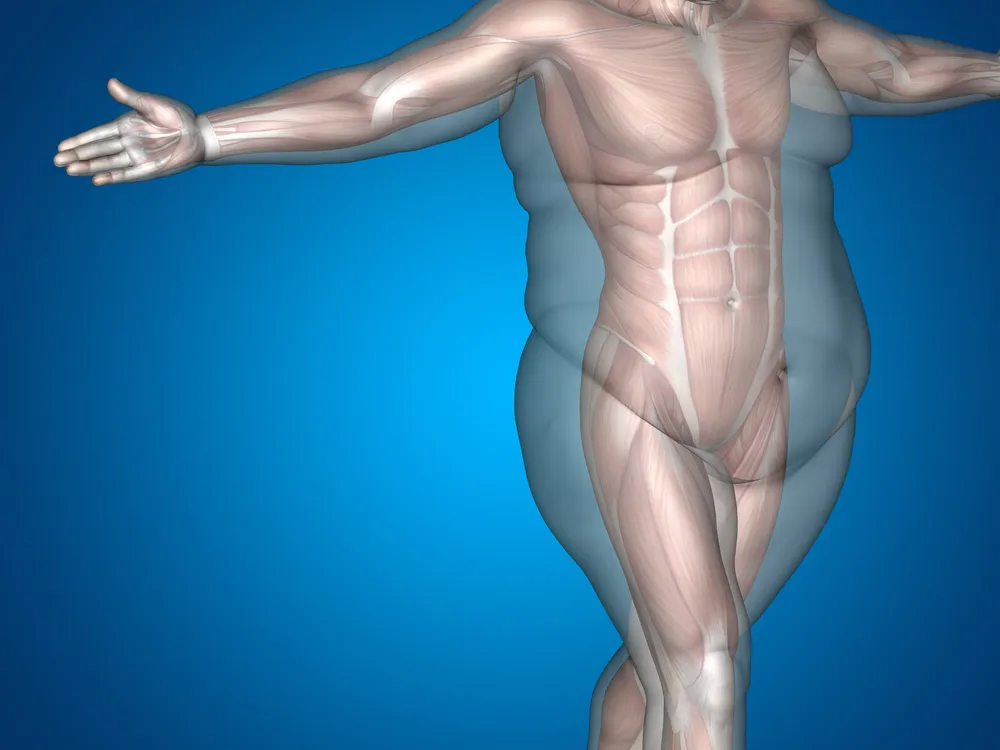
Obesity is a condition in which a person has excess body fat. More than just a number on a scale or the size of someone's body, obesity can increase a person's risk of diseases and health problems, including high blood pressure, diabetes and heart disease. It is a complex problem and a major public health concern, both in the United States and worldwide.
In the United States, about 40 percent of adults (or 93.3 million people) are obese, according to the Centers for Disease Control and Prevention (CDC).
Around the world, rates of obesity are on the rise: Since 1975, the worldwide obesity rate has nearly tripled, and there are now more than 650 million obese adults, according to estimates from the World Health Organization.
Obesity is usually defined using a ratio of height to weight called body mass index (BMI), which often correlates with a person's level of body fat. According to the CDC, an adult with a BMI of 30 or higher is considered obese.
However, some doctors and researchers suggest that using BMI alone may not be the best screening tool for obesity and a better approach may be to take into account a person's physical, mental and functional health. (Functional health refers to a person's ability to move around and go about their daily activities.)
Causes
At a fundamental level, obesity occurs when people regularly eat and drink more calories than they use. Besides a person's eating behavior, a number of factors can contribute to obesity, including a lack of physical activity, a lack of sleep, genetics and the use of certain medications that can cause weight gain or water retention, such as corticosteroids, antidepressants or some seizure medications.
Modern culture and conveniences also, in part, contribute to obesity. According to the Mayo Clinic, environmental factors that promote obesity include: Oversized food portions, busy work schedules with little time for an active lifestyle, limited access to healthy foods at supermarkets, easy access to fast food and lack of safe places for physical activity.
Get the world’s most fascinating discoveries delivered straight to your inbox.
Obesity may also be linked to the company a person keeps: It has been found to "spread" socially among friends. A 2011 study published in the American Journal of Public Health suggested that the reason for this social spread was because friends share similar environments and carry out activities together that may contribute to weight gain.
Certain health conditions also can lead to weight gain, including:
- Hypothyroidism, an underactive thyroid gland that slows metabolism and causes fatigue and weakness.
- PCOS, or polycystic ovary syndrome, which affects up to 10 percent of women of childbearing age and can also lead to excess body hair and reproductive problems.
- Cushing's syndrome, which stems from an overproduction of the hormone cortisol by the adrenal glands and is characterized by weight gain in the upper body, face and neck.
- Prader-Willi syndrome, a rare genetic condition in which people never feel full, and so they want to eat constantly, according to the Mayo Clinic.
Complications
According to the CDC, obesity increases the risk of developing a number of potentially serious health problems, including:
- Coronary heart disease
- High blood pressure
- Stroke
- Type 2 diabetes
- Some cancers (breast, colon, endometrial, gallbladder, kidney, and liver)
- Sleep apnea
- High LDL cholesterol, low HDL cholesterol, or high levels of triglycerides
- Gallstones
- Osteoarthritis
- Infertility or irregular periods
Besides its physical consequences, obesity may also take an emotional toll: Some people with obesity experience depression, feelings of social isolation, discrimination and an overall lower quality of life, according to the Mayo Clinic.
Is obesity a disease?
Whether or not obesity should be considered a "disease" (or an abnormal state) is a matter of debate. In 2013, the American Medical Association, the nation's largest group of physicians, voted to recognize obesity as a disease.
The decision was meant to improve access to weight loss treatment, reduce the stigma of obesity and underscore the fact that obesity is not always a matter of self-control and willpower.
But others argue that calling obesity a disease automatically categorizes a large portion of Americans as "sick," when they may not be. Instead, critics say obesity should be considered a risk factor for many diseases, but not a disease in and of itself.
Treatment
To achieve a healthy weight and adopt healthier eating habits, people may need to see several health professionals, including a dietitian, behavioral therapist, exercise physiologist and obesity expert, according to the Mayo Clinic. Working with a diverse team of health experts can help people make long-term changes in their eating and exercise habits and develop strategies to address any emotional and behavioral issues that may lead to weight gain and unhealthy lifestyle habits.
Although there are lots of fad diets, such short-term dietary changes are not the best way to keep weight off permanently, the CDC says. Instead, people should aim to make long-term changes, such as eating healthy on a regular basis, and boosting daily physical activity. Behavior changes, such as understanding what stresses or situations may contribute to overeating and learning to modify these behaviors, are also important for achieving weight-loss goals.
Even small amounts of weight loss — such as 5 to 10 percent of your total body weight — can have health benefits, the CDC says. These benefits include improvements in blood pressure, cholesterol levels and blood sugars.
According to the CDC, here are some tips that may help people lose weight successfully:
- Keep a daily food diary, which can make people more aware of what foods they eat, when they eat them and how much they consume, as well as identify potentially unhealthy eating habits, such as eating when stressed or not hungry.
- Make small changes to your eating habits, such as eating more slowly, putting your fork down between bites and drinking more water, which can all help to reduce the number of calories people consume.
- Identify ways to incorporate healthy habits into your daily routine, such as taking a walk at lunchtime.
- Set specific but realistic goals for weight-loss and exercise, such as having a salad with dinner and walking for 15 minutes in the evening.
Once you've lost weight, regular physical activity (60 to 90 minutes of moderate-intensity physical activity per day, on most days of the week) can help keep weight off, the CDC says.
Weight-loss surgery & medications
For people who are still severely obese after attempting to lose weight through diet and exercise, other treatments, such as bariatric surgery, may be an option. Bariatric surgery — an operation to make the stomach smaller — is recommended for people with a BMI of 40 or more, or if they have a serious health problem related to their obesity and have a BMI of 35 or more.
People with a BMI of 30 or more are eligible for an adjustable gastric band (one type of bariatric surgery) if they also have at least one serious health problem linked with obesity.
Other treatment options for obesity include certain prescription and over-the-counter medications that curb appetite, such as orlistat and lorcaserin, but can cause side effects, such as cramping, diarrhea, headaches, dizziness and nausea, according to the Mayo Clinic.
Weight loss medication should be used along with diet and exercise to help people lose weight, and some weight loss medications are only intended for short-term use.
Follow Rachael Rettner @RachaelRettner. Follow Live Science @livescience, Facebook & Google+.
Additional reporting by Cari Nierenberg, Live Science contributor.

Rachael is a Live Science contributor, and was a former channel editor and senior writer for Live Science between 2010 and 2022. She has a master's degree in journalism from New York University's Science, Health and Environmental Reporting Program. She also holds a B.S. in molecular biology and an M.S. in biology from the University of California, San Diego. Her work has appeared in Scienceline, The Washington Post and Scientific American.