













Donated Vaccines Could Save 2.5 Million Quiet Little Lives
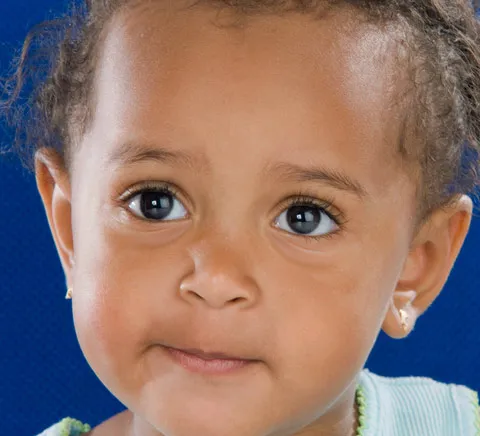
As people around the world scrub their hands and don face masks to ward off a new strain of swine flu that has caused sickness in at least 257 lab-confirmed cases, an airplane full of vaccines recently landed in a country to avert a different sort of health crisis. Every year, about 30,000 children in Rwanda die of bacterial pneumonia, the leading cause of infant death in underdeveloped countries. But this year, Rwandan babies will be saved by 2.5 million doses of pneumococal conjugate vaccine (Prevnar) donated by Wyeth Pharmaceuticals. The swine flu scares us because it's spreading quickly from person to person and health authorities say it will be months before they can concoct a vaccine to stop it spreading globally. The threat of such a flu is a reminder of the 1918 Spanish flu which caused 50 million deaths worldwide, and it also underscores the fact that thousands of people die from regular old flu each year. But health crises like the current swine flu, ones that get lots of media coverage (and they should, so we can all do our bit to decrease the risk of contagion by washing our hands and reporting to the doctor if flu symptoms arise), distract the world from other, much more serious and ongoing human killers. And no death is more painful, more poignant, more of a waste, than the death of a child. Babies in underdeveloped countries die most often from bacterial pneumonia and from dehydration caused by diarrhea. Pneumonia isn't something Western parents worry about; few children die of pneumonia in the West, and we have easy access to the vaccine, and can afford it. But it strikes with scary regularity in underdeveloped nations, spread just like swine flu as babies cough and sneeze. With no antibiotics, there isn't much chance a baby will survive once the bacteria enters the vulnerable infant system. These are often quiet little deaths, coughing and hacking and then gone, soon wrapped and buried with little fanfare. Many of these babies were born at home and so are they unknown to the government and not part of any statistics of birth or death. But they do count, especially to those who love them, and their deaths are crushing. In many cultures dead children are included when parents recite their list of kids, as if that child was playing out back. And as any parent who has lost a baby in Western culture knows, the loss is no less felt than if that child had made it for a while longer, had walked and talked and gone to school and blossomed into an adult. They are a presence nonetheless. In fact, the loss of a child of any age is the worst kind of loss because a giant wave of grief crashes through the parents' lives, wiping out their hopes and dreams for that little person, the one they will never know. And so this week, Rwandan parents and caretakers of every single baby under the age of 1 will not be repeatedly washing their hands nor donning face masks. They will instead use their hands to gladly hold their babies still while the health worker sticks the needle in and gives that child a chance to grow up.
- All About Children
- Video – The Truth About Pandemics
- 10 Deadly Diseases That Hopped Across Species
Get the world’s most fascinating discoveries delivered straight to your inbox.