-
 Animal Code: Our Favorite Genomes
Here's LiveScience's ten favorite genome sequencing projects, and what they've taught us about animals.
animals -
 Dirtiest Places in the Office: Men's Desks
Be careful when a man calls you into his office — you might pick up his germs.
planet-earth -
 Sweet Science: Tomato Genome Bears Fruit
The genome of the garden tomato and its wild ancestor hold clues to even tastier tomatoes.
planet-earth -
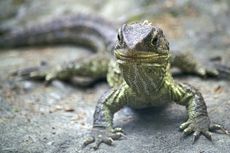 Strange Reptile Chews Food With Steak Knife-Teeth
The reptile's odd chewing mechanism makes it one of the only reptiles that chew their food.
reptiles -
 The Touch of a Man Makes Women Hot
Just the touch of a man's hand can make women hot and bothered, though they don't always notice it.
human-behavior -
 Ancient 'Sexual Revolution' Laid Foundation for Modern Family
In early human evolution, when faithful females began to choose good providers as mates, pair-bonding replaced promiscuity, new research suggests.
human-behavior -
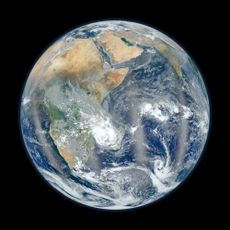 Life After Death: 'Great Dying' Recovery Took 10 Million Years
It took at least 10 million years for Earth to get back on track after losing 90 percent of its species.
climate-change -
Genetic Cause of Stunted Growth in Babies Discovered
Different mutations in the same gene are responsible for two polar-opposite diseases.
genetics -
 Living to 100: Personality & Good Genes May Be Key
Having a positive outlook maybe related to your genes, and the likelihood you'll make it to 100.
genetics -
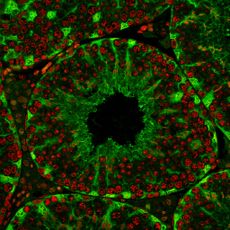 Infertility Genes Could Lead to Male Contraception
Knowing more about what makes men fertile can also help fight infertility.
genetics -
 Frustrated? You're Probably Smiling Anyway
Also in the works: A computer than can tell when you are pissed at it.
human-behavior -
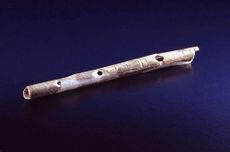 Caveman Flutists? First Instruments Date Back 40,000 Years
Bone flutes would have brought music to ancient humans.
human-behavior -
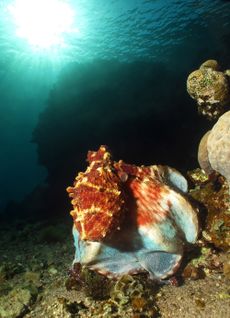 Octopus Foils Predators by Stealing Identities
An octopus will turn itself into a conch shell or coral reef to avoid being eaten.
aquatic-animals -
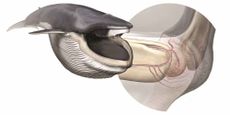 Whale's Big Gulp Aided by Newfound Organ
Special adaptations allow blue whales to grub on a school of fish in one bite.
whales -
 Parents Are Happier Than Non-Parents
Are parents happy? New research adds fuel to the fire.
psychology -
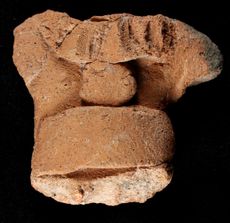 Ballplayer Statue Suggests Sports Were Big in Ancient Mexico
Ancient South-central Mexicans got in on the 'ballgame.'
human-behavior -
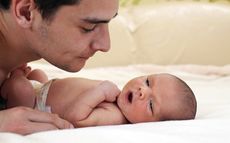 Nurture, Not Nature, Determines Baby's 'Macho' Hormone Levels
A study of twins determined their genetics are less important than environmental factors on their hormone levels.
sex -
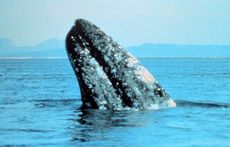 Gray Whale Population Up to 5 Times Larger Before Whaling, Study Finds
Ancient whale genes indicate their population dropped when whaling took off.
whales -
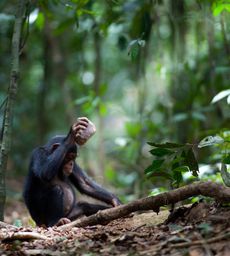 Like Humans, Chimps Have Culture, Too
Different chimp cultures use different tools to crack nuts.
primates -
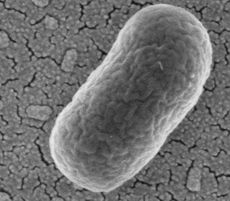 Going with the Gut: Bacteria's Variability May Aid Nutrition
Children tend to have more gut microbe variability than adults, too.
planet-earth -
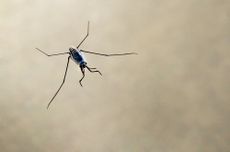 Ocean Garbage Patch Breeds Bugs
Large numbers of sea striders eggs could dramatically change the ecosystem.
rivers-oceans -
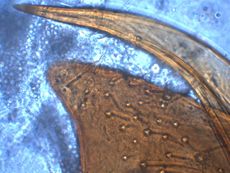 'Dagger Penises' Cause Early Death of Female Bugs
Practicing traumatic insemination isn't good for your health.
insects -
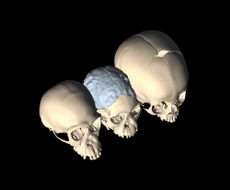 Our Ancestors' Squishy Skulls Led to Bulging Brains
A 4-year-old human ancestor sheds light on hominin brain evolution.
neuroscience -
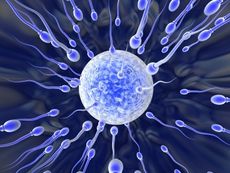 Sperm Act Like Bumbling Drunks on Way to Egg
They tend to overshoot sharp turns, too.
sex