















Going with the Gut: Bacteria's Variability May Aid Nutrition

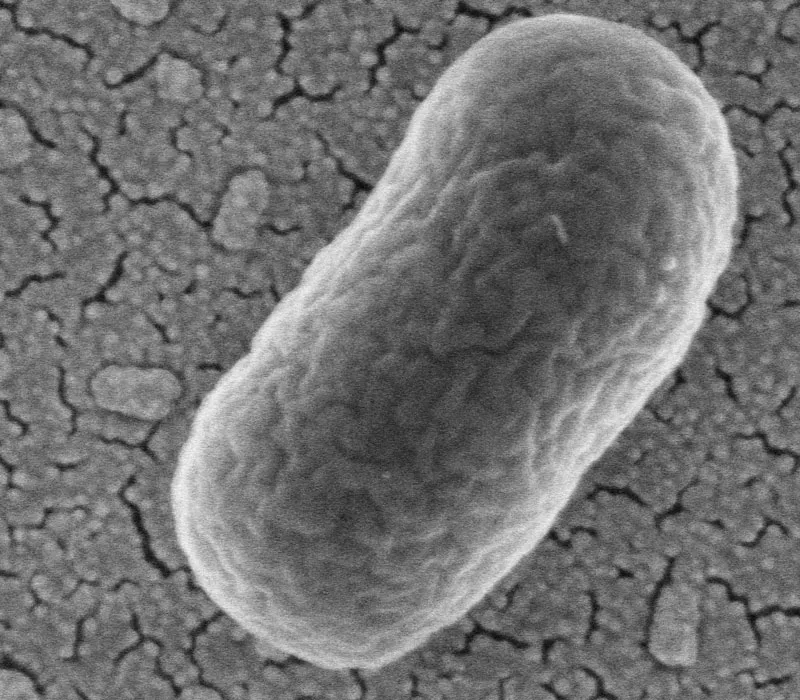
The microbes that humans carry in their guts show a cultural bias, with certain populations holding belly bacteria that's distinct from others, new research finds.
The bacteria that live in our guts play an important role in health, helping to digest food, make vitamins and interact with the immune system to fight off disease. Some types of microbes help release energy from undigested carbohydrates, like starches, which can be difficult for omnivores like humans to digest. They also edge out bad microbes, which could cause disease.
As such the results, published online today (May 9) in the journal Nature, could help doctors treat individuals with malnutrition and possibly tailor diets for obese individuals, the scientists said.
"Sampling a broad population of healthy humans representing different ages and cultural traditions offers an opportunity to discover how our gut microbiomes evolve within a life span, vary between populations, and respond to our changing lifestyles," the researchers write in their study.
The researchers studied more than 500 samples of gut microbes in fecal samples from healthy people in three countries, including several populations in the United States, Venezuela and Malawi.
They sequenced a gene from the bacteria's ribosome, the cell's protein-making machinery, to determine what organisms were present in the samples, and one-fifth of the samples were given a deeper genetic sequencing to further identify bacteria.
They compared the types of bacteria to the ages of the individuals and their country of origin. The researchers saw that gut bacteria specializes based on location, possibly because of diets in different countries and cultures, though genetics and other factors in the environment could play a big role as well.
Get the world’s most fascinating discoveries delivered straight to your inbox.
Compared with adults, children tended to have more variable gut bacteria, which changed as quickly as every week. However, the researchers saw that the microbes from all the populations seemed to go through similar stages as they evolved into the mature, adult ecosystem.
"If you take two babies, their gut communities are more different from each other than different adults in that population," study researcher Rob Knight, of the University of Colorado in Boulder, told LiveScience. But, "despite all the differences in diet, genetics and lifestyle, there's a consistent way in how they develop into the adult."
The researchers suggest that these gut bacteria should be accounted for when considering the nutritional needs of humans at different ages and in different physical conditions. They could help the battle against malnutrition, and possibly even obesity, by allowing doctors to adjust diets according to gut bacteria.
"Different kinds of microbes have different abilities, what we are thinking of there is about tracking the microbes in an individual child [so] we can see what that child needs nutritionally," Knight said. "The idea is that by detecting what the capabilities of the bacteria in an individual's gut are you would do a better job of supplying that person with vitamins and nutrients."
You can follow LiveScience staff writer Jennifer Welsh on Twitter, on Google+ or on Facebook. Follow LiveScience for the latest in science news and discoveries on Twitter and on Facebook.

Jennifer Welsh is a Connecticut-based science writer and editor and a regular contributor to Live Science. She also has several years of bench work in cancer research and anti-viral drug discovery under her belt. She has previously written for Science News, VerywellHealth, The Scientist, Discover Magazine, WIRED Science, and Business Insider.