













Novel Chemical 'Washes Away' Alzheimer's Plaque in Mice

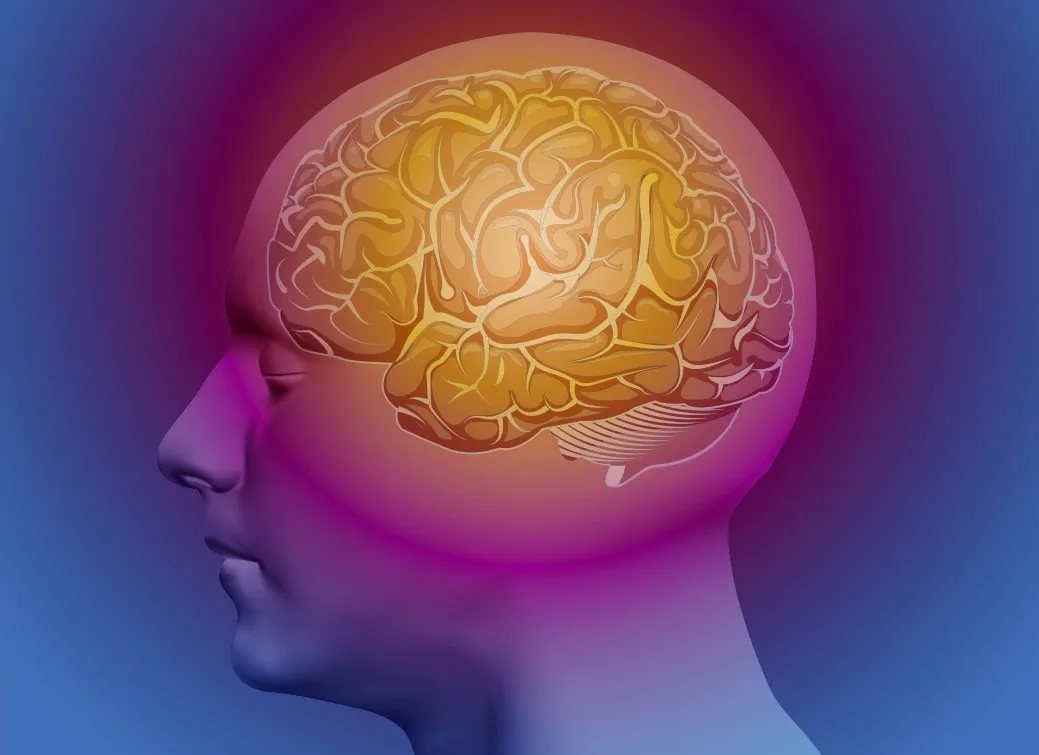
Scientists in Korea have found a small molecule that, when added to the drinking water of mice bred to develop Alzheimer's disease, washed away the protein plaques associated with the disease and improved the mice's learning and memory functions.
The chemical, called EPPS — short for 4-(2-hydroxyethyl)-1- piperazinepropanesulphonic acid — posed no ill effect for the mice even at high doses. The scientists hope to conduct further studies to determine whether the EPPS is safe and effective for humans with Alzheimer's disease.
This potential treatment for Alzheimer's is reported today (Dec. 8) in the journal Nature Communications.
Alzheimer's disease is the most common form of dementia, affecting more than 5 million Americans — a number projected to rise to 14 million by 2050, according to the Centers for Disease Control and Prevention. Alzheimer's disease is the sixth-most common cause of death in the United States and the condition costs the U.S. billions of dollars annually in treatment and care, the CDC says. The cause is unknown, although a small percentage of cases, particularly early-onset Alzheimer's, appears to be genetic.
One of the early signs of Alzheimer's disease is the buildup of fragments of proteins called amyloid beta, which stick together in plaquelike clumps in the brain. The current arsenal of Alzheimer's medications tries to stop the formation of these plaques and slow the development of symptoms. But removing plaques after they form is difficult. [6 Foods That Are Good For Your Brain]
The Korean scientists, led by YoungSoo Kim of the Brain Science Institute at the Korea Institute of Science and Technology (KIST) in Seoul, investigated the ability of EPPS to attach to amyloid-beta clumps and convert them into simpler, smaller molecules.
Through a series of experiments, they found that EPPS could break apart plaque in a living mammal. They also found the molecule could be added to drinking water yet still travel in the blood to the brain and cross the blood-brain barrier, which otherwise prevents foreign material from entering the brain. EPPS could penetrate the barrier because it is a relatively small molecule, Kim said.
Get the world’s most fascinating discoveries delivered straight to your inbox.
The scientists found that doses between 30 and 100 milligrams per kilogram of body weight per day were effective in breaking up the amyloid beta. Further tests demonstrated that EPPS appears to have no toxic effects in mice up to 2,000 mg/kg per day.
While that may seem like a large cushion of safety, Kim said that more tests are needed to determine the precise toxicity, given how the drug might be administered to humans.
"[I]t is always better to lower drug dosage as much as possible for chronic disorders like Alzheimer’s disease," Kim told Live Science. "Considering the possibility that patients need to take drugs for the rest of their lives, safety [testing] for long-term treatment has to be done."
Scientists have debated whether amyloid-beta accumulation is a cause or an effect of Alzheimer's disease symptoms. Kim said that because his group's study showed that the mice's learning and memory improved after the removal of the plaque, the research supports the view that amyloid-beta deposits are a direct driver of Alzheimer's symptoms.
John Hardy, a neurology professor at the University College, London — who in November won a $3 million Breakthrough Prize for his earlier work, discovering the genetic mutations that cause amyloid beta to accumulate — said the new study was "indeed interesting," but cautioned not to assume the same results would be seen in humans.
"It should be borne in mind that the cause of the behavioral problems in humans [is] largely [from] loss of nerve cells, and this does not happen in the mice models of the disease, so the improvement in the behavioral features in the mice may not be relevant to the human situation," said Hardy, who was not involved in the research.
Also, a drug that works by breaking apart the amyloid clumps "would be required to be administered in very high doses," Hardy told Live Science said.
Kim agreed with Hardy's assessment. He added, however, that "there are about 10 to 15 years of amyloid accumulation before Alzheimer's patients develop brain atrophy and cognitive deficits," and that there is an opportunity during this time to slow or prevent irreversible damage.
"I strongly believe these drug candidates [based on EPPS] will halt the neurodegeneration and rescue patients from death," Kim said.
Follow Christopher Wanjek @wanjek for daily tweets on health and science with a humorous edge. Wanjek is the author of "Food at Work" and "Bad Medicine." His column, Bad Medicine, appears regularly on Live Science.

Christopher Wanjek is a Live Science contributor and a health and science writer. He is the author of three science books: Spacefarers (2020), Food at Work (2005) and Bad Medicine (2003). His "Food at Work" book and project, concerning workers' health, safety and productivity, was commissioned by the U.N.'s International Labor Organization. For Live Science, Christopher covers public health, nutrition and biology, and he has written extensively for The Washington Post and Sky & Telescope among others, as well as for the NASA Goddard Space Flight Center, where he was a senior writer. Christopher holds a Master of Health degree from Harvard School of Public Health and a degree in journalism from Temple University.