
 Live Science Plus


Sting, Bite & Destroy: Nature's 10 Biggest Pests
Sting, Bite and Destroy
From ants in the kitchen to pigeons on the stoop, pests torment everyone. They sting, bite, destroy things and carry diseases. We've selected some of the peskiest creatures you're liable to come across and offer tips on how you can safely get rid of them. The first step to a pest-free home is removing their life support: water, food, and shelter.
Superbugs

Overuse of antibiotics has developed this relatively new pest, resistant to almost all antibiotics. Bacteria that cause staph infections, heart valve infections, and pneumonia have outwitted antibiotics in a classic example of Darwinian survival: only the strongest survive an onslaught of antibiotics and are able to reproduce. Their offspring, superbugs, are most often found in hospitals, nursing homes, and other settings where people fall sick often. The best defense is surprisingly simple: Wash your hands
Rats

As the largest single group of mammals on Earth, rats damage buildings by making nests out of insulation, chewing electrical wires and causing fires. In the Middle Ages, millions of Europeans died after being bitten by rodent fleas carrying the plague bacterium. Hide your food and trash from rats, as they also transmit typhus, trichinosis, and food poisoning.

Mosquitoes
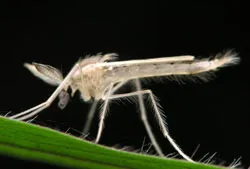
To nourish their eggs, female mosquitoes feed on animal and human blood, and in turn transmit diseases like malaria, dengue, and West Nile Virus. Two days after a female lays her eggs, they are ready to hatch, but can withstand drying for months. Prevent hatchings by cleaning up pools of standing water. Fish can be introduced to gobble up the insects too.
Pigeons

Pigeons carry diseases that can inflict humans with weak immune systems, but their mess is their worst offense. Droppings deface buildings and can inflict long-term architectural harm. To avoid the foul dirt, don't feed the birds. Pigeon-proof buildings by replacing damaged roof tiles, sealing holes, and installing spikes or wires where they roost.
Rabbits

Rabbits gnaw on lawns, vegetables, herb gardens, and even plastic irrigation lines, and of course they multiply like themselves. They also can spread a serious bacterial illness called tularemia. To protect Australian farms from these invasive species, construction began in 1901 of the Rabbit Proof Fence, the world's longest-and apparently most inefficient- fence. Keeping rabbits out of a fenced backyard involves plugging every tiny hole.
Cockroaches

Cockroaches need just a crack in the wall as thin as a dime to carry germs into your home. Their ability to adapt is key to their 200-million-year history. Yet, they can only survive without water for a week. Make them thirsty by pouring Lysol into toilet bowls and down drains.
Get the world’s most fascinating discoveries delivered straight to your inbox.
Deer

Deer eat their way through gardens and lawns, cause traffic hazards, and carry deer ticks that transmit Lyme disease. To keep them at bay, plant sweet-smelling plants that they dislike, such as lavender, rosemary and sage. In woodsy areas, tuck pant legs inside socks and check pets regularly for ticks.
Ants

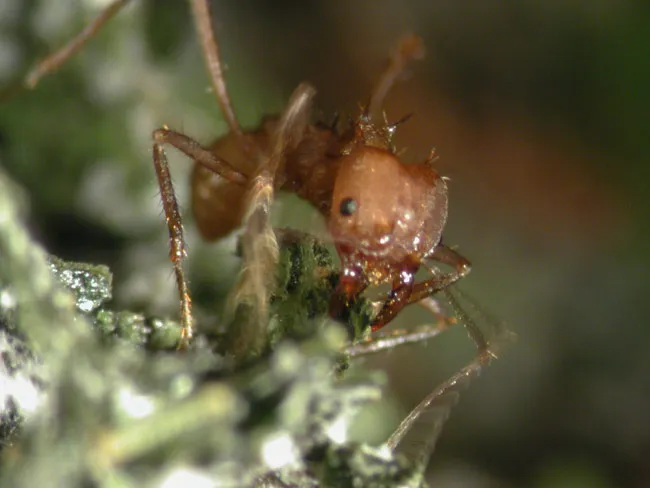
Ants create scent trails to communicate with each other and find their way home. When you spot an ant path, start at the food source and wipe away the trail with soapy water and a sponge. Ants also dislike Vaseline, chili powder, cinnamon, and boric acid, which can be used to block a trail entrance. These methods are unsafe, however, if you have small children.
Flies

While adult houseflies help themselves to your food and drink, they defecate on your meal. In order to digest solid foods, they turn it into liquid by regurgitating it. These unsanitary habits transmit diseases. To defend against the, install screens on doors and windows, and cover your picnic basket.
Bedbugs

Checking the sheets late at night is your best chance of catching these critters in the act of hunting down a midnight snack of warm blood. To stop them from crawling up your bed, coat furniture legs with Vaseline or mineral oil; on the floor, place a barrier of chalk or double-sided carpet tape around the bedposts.