













How Mosquitoes Find a Mate: Lots of Whining

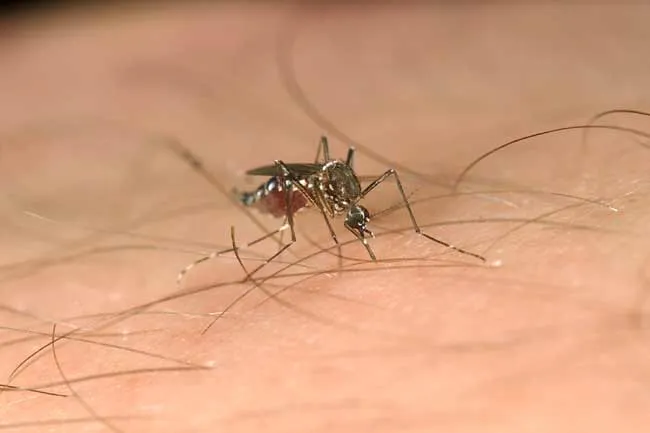
The high-pitched whine of a mosquito might drive you nuts, but it's music to the ears of these little pests.
Scientists have long known that male mosquitoes key in on the buzzing of females to help them find a partner. But a new study finds that female mosquitoes, despite their comparatively simple antennae, are among the best listeners in the insect world.
The research also revealed how the mosquito mating commences.
When two mosquitoes approach each other—typically moving along at about 1 mph—each alters the tone of its buzzing, which is created by the wings beating at up to 600 times each second.
If the tones converge, each knows the other is a potential mate. If the tones diverge dramatically, then they learn they're chasing a same-sex relationship that's not apt to produce any little pests.
It is likely, the researchers say, that different mosquito species (there are about 3,000 of them around the world) employ different flight tones in order to recognize viable mates.
The study, by Gabriella Gibson of the Natural Resources Institute at the University of Greenwich and Ian Russell of the University of Sussex, is detailed in the July 12 issue of the journal Current Biology.
Get the world’s most fascinating discoveries delivered straight to your inbox.
- Why Ants Rule the World
- Backyard Bugs: The Best of Your Images
- Natural Mosquito Repellent Being Developed
- How Flies Walk on Ceilings
- All About Insects
