
(Image credit: Shutterstock)

Have you ever wondered why we behave the way we do? From the evolution of human aggression to why humans are so curious, Live Science takes you inside our minds to explain the science behind the things we do, why we do them and what is going on in our brain when it happens. Whether it's pondering the weird things humans do every day or why we believe in conspiracy theories, our expert writers and editors track down the biggest stories in psychology, sociology and neuroscience, bringing you the latest news, features and articles about human behavior.
Discover more about human behavior


-
-
 Science crosswordLive Science crossword puzzle #54: Egyptian pharaoh who died at 18 — 6 down
 -
Science crosswordLive Science crossword puzzle #53: Ancient supercontinent — 11 across
-
Science crosswordLive Science crossword puzzle #52: The moon's other name — 2 down
-
Science crosswordLive Science crossword puzzle #51: Largest rodent on Earth — 4 down
-
Science crosswordLive Science crossword puzzle #50: Longest-serving president in US history — 1 across
-
Science crosswordLive Science crossword puzzle #49: 'Short' tempered French emperor — 13 across
-

-
-
Science crosswordLive Science crossword puzzle #54: Egyptian pharaoh who died at 18 — 6 down
-
Science crosswordLive Science crossword puzzle #53: Ancient supercontinent — 11 across
-
Science crosswordLive Science crossword puzzle #52: The moon's other name — 2 down
-
Science crosswordLive Science crossword puzzle #51: Largest rodent on Earth — 4 down
-
Science crosswordLive Science crossword puzzle #50: Longest-serving president in US history — 1 across
-
Science crosswordLive Science crossword puzzle #49: 'Short' tempered French emperor — 13 across
-
Science crosswordLive Science crossword puzzle #48: Largest fish on Earth — 6 across
-
Science crosswordLive Science crossword puzzle #47: The 'unicorn of the sea' — 9 across
-
Science crosswordLive Science crossword puzzle #46: Largest desert on Earth — 9 down
-
-
-
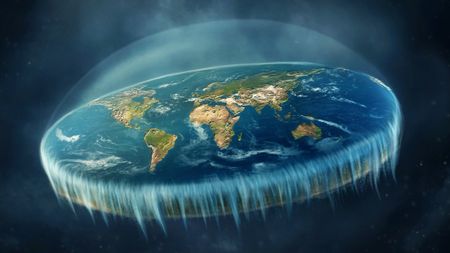 QuizConspiracy theory quiz: Test your knowledge of unfounded beliefs, from flat Earth to lizard people
 -
 Conspiracies & ParanormalWhat's the scientific explanation for 'ghost encounters'?
 -
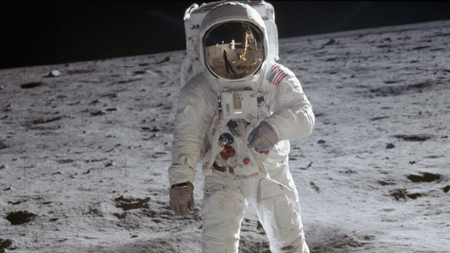 Conspiracies & Paranormal21 of the best conspiracy theories
 -
 Conspiracies & Paranormal'Yeti hair' found in Himalayas is actually from a horse, BBC series reveals
 -
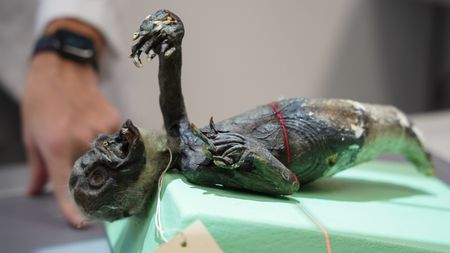 Conspiracies & ParanormalHaunting 'mermaid' mummy from Japan is a gruesome monkey-fish hybrid with 'dragon claws,' new scans reveal
 -
 OpinionAre ghosts real?
 -
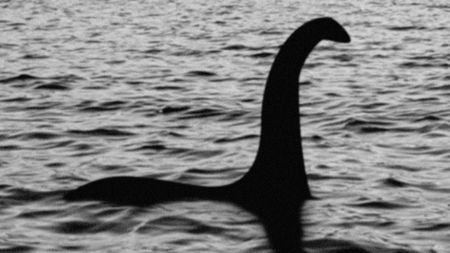 Conspiracies & ParanormalThe biggest hunt for the Loch Ness Monster in 50 years is about to begin
 -
 Conspiracies & ParanormalMost methods for squashing conspiracy theories don't work, study finds. Here's what does.
 -
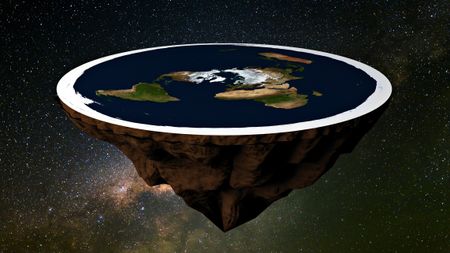 Conspiracies & ParanormalHow do flat-Earthers explain the equinox? We investigated.
-


-
-
 DealsSave 15% on this National Geographic Rock Tumbler kit at Amazon
 -
 EducationWhy are kids such fast learners?
 -
 EducationHow we test, review and rate products on Live Science
 -
 ReferenceWhat is STEM Education?
 -
 EducationBest science books: Popular science books to feed your imagination
 -
 DealsSave $400 on this Dell XPS 13 laptop deal at Best Buy - perfect for students
 -
 EducationMeet Elliott Tanner, the 13-year-old who just got his college degree in physics
 -
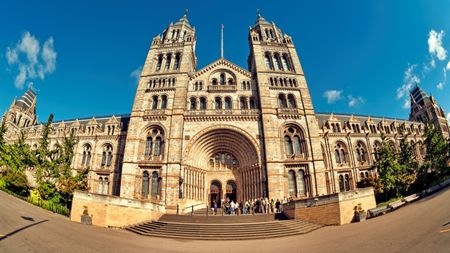 ReferenceBest free museums in London and the UK
 -
 EducationYour pupils can count … sort of
-


-
-
 PsychologyOur brains aren't wired to handle this much bad news. But 'looking away is not the fix,' expert says.
 -
 PsychologyAre some people wired to see ghosts? A psychologist explains what makes paranormal experiences more likely
 -
 PsychologyAI is getting better and better at generating faces — but you can train to spot the fakes5 Comments
 -
 PsychologyYou don't need to be very happy to avoid an early death from chronic disease, study finds
 -
 OpinionColors are universal — even if our perception of them is subjective3 Comments
 -
 PsychologyTrump executive order calls mental health prescriptions a 'threat' — why?
 -
 Psychology'It's better to be safe than sorry': How superstitions may still benefit us
 -
 QuizWhat do you know about psychology's most infamous experiments? Test your knowledge in this science quiz.
 -
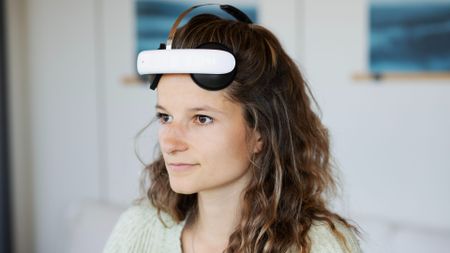 PsychologyAt-home brain stimulation could be promising depression treatment, trial hints
-


-
-
Science crosswordLive Science crossword puzzle #54: Egyptian pharaoh who died at 18 — 6 down
-
Science crosswordLive Science crossword puzzle #53: Ancient supercontinent — 11 across
-
Science crosswordLive Science crossword puzzle #52: The moon's other name — 2 down
-
Science crosswordLive Science crossword puzzle #51: Largest rodent on Earth — 4 down
-
Science crosswordLive Science crossword puzzle #50: Longest-serving president in US history — 1 across
-
Science crosswordLive Science crossword puzzle #49: 'Short' tempered French emperor — 13 across
-
PsychologyOur brains aren't wired to handle this much bad news. But 'looking away is not the fix,' expert says.
-
Science crosswordLive Science crossword puzzle #48: Largest fish on Earth — 6 across
-
Science crosswordLive Science crossword puzzle #47: The 'unicorn of the sea' — 9 across
-
Science crosswordLive Science crossword puzzle #46: Largest desert on Earth — 9 down
-