


-
 The 'gender gap' in math is not innate — something about school drives it
A new study of schoolchildren in France suggests that boys are not innately better at math. Some aspect of schooling appears to drive the "gender gap."
4 Commentshuman-behavior -
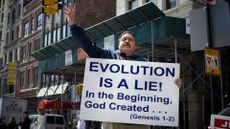 Only 64% of Americans accept the idea of evolution — here's one reason why
Fundamentalists don't necessarily examine evolution and then reject it; they tend to start with the conclusion that it must be false and work backwards.
human-behavior -
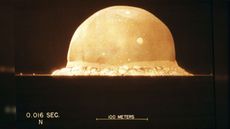 'Lord, these affairs are hard on the heart': How Manhattan Project scientists reacted to the world's first atomic bomb test
In this except from the biography of J. Robert Oppenheimer, we hear from the people at the historic first test of the atomic bomb in New Mexico.
human-behavior -
 Live Science crossword puzzle #1: Largest organ in the human body — 9 across
Science crossword Test your knowledge on all things science with our weekly, free crossword puzzle!
Science crossword -
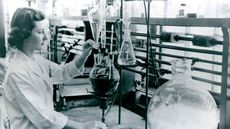 'The first author was a woman. She should be in the kitchen, not writing papers': Bias in STEM publishing still punishes women
"What is the hard evidence, beyond anecdote and suspicion, that unconscious bias impacts on women's careers? Increasing numbers of studies show, in many different guises, just how potent such bias can be."
human-behavior -
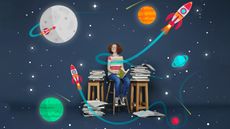 48 best science books for kids and young adults
Looking to inspire the next generation of curious minds? These are our picks of the best popular science books for children of all ages.
human-behavior -
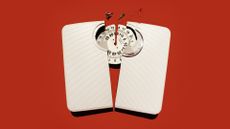 People's mental health often improves after weight-loss surgery. A study pinpoints the real reason why.
Feeling less stigma — not losing weight — was linked to better mental health and eating behaviors after bariatric surgery.
human-behavior -
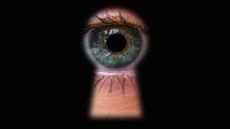 The constant surveillance of modern life could worsen our brain function in ways we don't fully understand, disturbing studies suggest
We live in an era of constant surveillance. Psychology research shows how this might change how we perceive the world — even unconsciously
human-behavior -
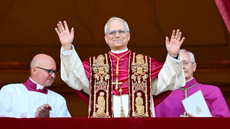 What does the Pope do, anyway?
New pope's schedule will be 'exhausting.'
human-behavior


