













How the Spice Trade Changed the World

Tonight you might grind a bit on Caesar salad or use it to perk up a steak, but pepper was once so valuable that it could be used to pay the rent.
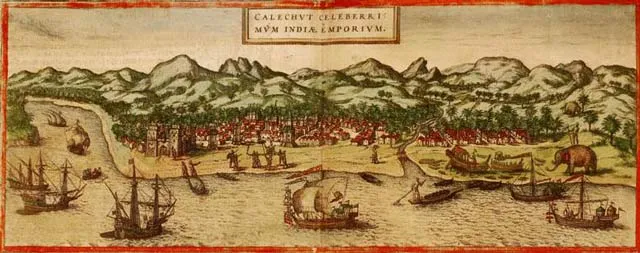
Pepper, along with other spices such as cinnamon, cloves and nutmeg, was such a hot commodity five centuries ago that it drove nations to sail across vast oceans searching for new routes to the spice-rich Orient.
Spices didn't just make merchants rich across the globe — it established vast empires, revealed entire continents to Europeans and tipped the balance of world power. If the modern age has a definitive beginning, it was sparked by the spice trade, some historians have argued.
America by accident
Spices were an important component of ancient commerce well before the 15th-century, but were monopolized for centuries by Middle Eastern and North African middlemen who guarded the Asian provenance of their valuable sources closely and became fabulously wealthy for it. Back then, the colorful grains were used for flavoring food, but also for such tasks as making perfume, embalming the dead, preserving meat and sprucing up salve recipes in traditional medicine.
Europe dangled at the far end of the trading chain for spices, without access to eastern sources or the power to contest exorbitant prices. At one point in the 1300s, when tariffs were at their highest, a pound of nutmeg in Europe cost seven fattened oxen and was a more valuable commodity than gold.
Even the aristocracy — one of the biggest consumers of imported spices — began finding it hard to afford their shipments of peppercorn and clove. So, by the 1400s, when navigational equipment had improved to the point that long-haul sailing became possible, the kings and queens of Europe set out to change the balance of world trade by funding spice-hunting missions of their own.
Get the world’s most fascinating discoveries delivered straight to your inbox.
First out of the blocks came Christopher Columbus who, in searching for a quicker route to India, bumped into the Americas instead.
Disappointed he hadn't reached India, Columbus' name for the native people he encountered in America and their local version of a spicy condiment — "Indians" and "peppers" — stuck nonetheless. Also looking for spices, Vasco de Gama was the first to 'round Africa, and a crew led by Ferdinand Magellan fully circumnavigated the globe.
Manhattan traded for some nutmeg
The map of the colonial period was largely drawn in those frenzied years when all of Europe clamored for a piece of the spice trade, using dubious and often brutal tactics to establish a foothold in India and Southeast Asia.
Spain and Portugal spent much of the 16th century fighting over cloves, while England and the Dutch dueled over nutmeg in Indonesia. Jammed with nutmeg trees, a tiny island called Run became the world's most valuable real estate for a time in the 1600s, when England gave it up to The Netherlands in a treaty to end hostilities between the two nations. In exchange for Run, The Netherlands swapped a couple of colonies across the pond — including what is now known as the island of Manhattan.
By that time, burgeoning European outposts already formed a ring around the Indian Ocean, bringing enormous wealth to their home countries and fuelling the colonization of any territory deemed suitable for crops. Flags were planted and ship paths formed a web of sorts across the world's ocean like never before.
For better and for worse, the world's first crack at globalization had begun, all in the pursuit of a more flavorful dinner.
- Archive of 'Changed the World' Columns
- How Ancient Trade Changed the World
- History's Most Overlooked Mysteries
