













Surprise Increase in Global Carbon Dioxide Output

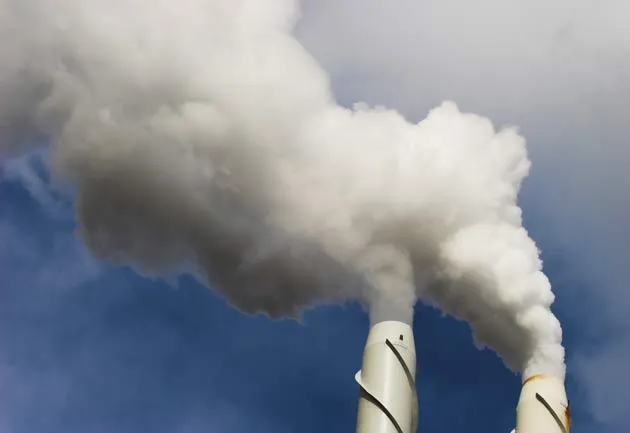
Carbon dioxide emissions have accelerated globally at a greater rate than expected in recent years, scientists announced today. The average growth rate of the emissions increased from 1.1 percent a year in the 1990s to 3 percent increase per year since 2000, according to a study published this week in the Proceedings of the National Academy of Sciences. Carbon dioxide is the major greenhouse gas that serves like a blanket, trapping heat and warming the atmosphere. “A major driver of the accelerating growth rate in emissions is that, globally, we’re burning more carbon per dollar of wealth created,” said lead author Mike Raupach from the Marine and Atmospheric Research and the Global Carbon Project in Australia. "In the last few years, the global usage of fossil fuels has actually become less efficient. This adds to pressures from increasing population and wealth.” Here's what's going on: “As countries undergo industrial development, they move through a period of intensive, and often inefficient, use of fossil fuel," Raupach explained. "Efficiencies improve along this development trajectory, but eventually tend to level off. Industrialized countries such as Australia and the U.S. are at the leveling-off stage, while developing countries such as China are at the intensive-development stage. Both factors are decreasing the global efficiency of fossil fuel use.” The average U.S. resident is responsible for 5 tons of carbon dioxide emissions per year. The average resident of China puts one 1 ton. “Since the start of the industrial revolution, the U.S. and Europe account for more than 50 percent of the total, accumulated global emissions over two centuries, while China accounts for less than 8 percent," he said. "The 50 least developed countries have together contributed less than 0.5 per cent of global cumulative emissions over 200 years.” Raupach said the emissions are at the high end of projections used to generate dire predictions of climate change by the Intergovernmental Panel on Climate Change (IPCC).
- What's Your Environmental Footprint?
- Timeline: The Frightening Future of Earth
- Top 10 Surprising Results of Global Warming
Get the world’s most fascinating discoveries delivered straight to your inbox.
