A new automated, flying ambulance completed its first solo flight, offering a potential solution for challenging search and rescue missions.
Completing such missions in rough terrain or combat zones can be tricky, with helicopters currently offering the best transportation option in most cases. But these vehicles need clear areas to land, and in the case of war zones, helicopters tend to attract enemy fire. Earlier this month, Israeli company Urban Aeronautics completed a test flight for a robotic flying vehicle that could one day go where helicopters can't.
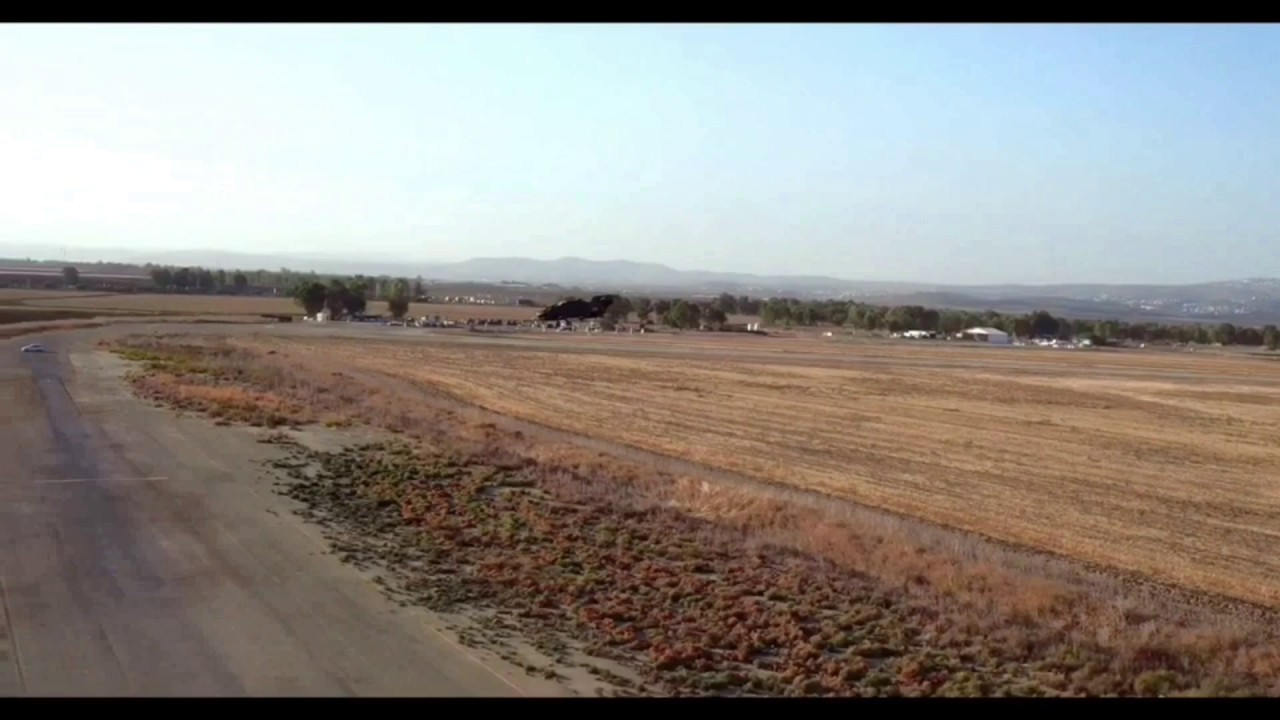
On Nov. 14, the company flew its robotic flyer, dubbed the Cormorant, on the craft's first solo flight over real terrain. The autonomous vehicle is designed to eventually carry people or equipment (as reflected in its former name, the AirMule) without a human pilot on board. [9 Totally Cool Uses for Drones]
Latest Videos From
Urban Aeronautics said the test was "a significant achievement for a student pilot, human or nonhuman," and said the company is "proud" of the vehicle's performance.
The Cormorant uses ducted fans rather than propellers or rotors to fly. These fans are effectively shielded rotors, which means the aircraft doesn't need to worry about bumping into a wall and damaging the rotors. Another set of fans propels the vehicle forward, according to Urban Aeronautics.
The robotic flyer pilots itself entirely through laser altimeters, radar and sensors. The system is "smart" enough to self-correct when it makes mistakes, company officials said. In a video released by Urban Aeronautics, the Cormorant tries to land, stops itself and then corrects its landing position.
The vehicle is effectively a decision-making system that can figure out what to do if the inputs from the sensors are off in some way, the company said. If the Cormorant detects a potential issue, the drone's robotic brain can decide what to do: go home, land and wait for more instructions, or try a different flight path, Urban Aeronautics said.
Despite the completion of this month's flight test, Urban Aeronautics still needs to refine some parts of the technology, the company said. For one, the test flight wasn't very long, lasting only a minute or two. And though the terrain was irregular (as in, not completely flat), it was still an open field without any real obstacles on either side. Further tests will look to improve how smoothly the aircraft goes from takeoff to level flight, and to increase speed and maneuverability, the company said in a statement.
Original article on Live Science.