













How to Discover a Dinosaur in 5 Easy Steps
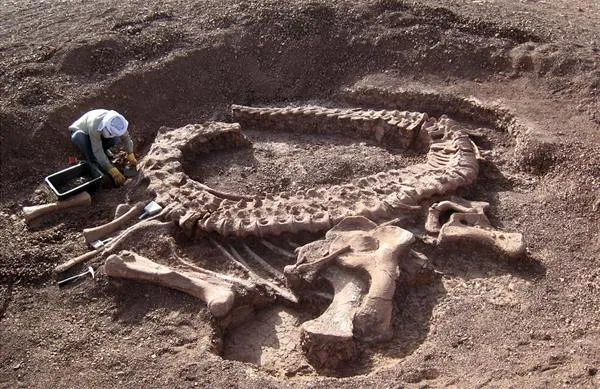
Did you spend your childhood digging up the backyard in search of dinosaur bones? Still dream of uncovering your very own Tyrannosaurus rex ? Aside from working through a PhD in paleontology which can take up to eight years, not including undergraduate work you can try stepping out on your own to live the dream. Paul Sereno, a world-renowned paleontologist at the University of Chicago who has discovered dinosaurs on five continents over the past two decades, helps distill his art into five basic steps.
Step 1. Figure out where to look
First things first: pick a location that is most likely to have dinosaur fossils . Here are three tools you'll need to find it:
Geologic maps show rock types and ages in a given area. Rocks close in age to dinosaur fossils, which date to roughly 240 to 65 million years ago, are the best places to look. One possible source is the United States Geological Survey's geologic map database.
Topographical maps help you determine if an area is accessible (Hint: if it is covered with road, it isn't). U.S. maps are available in most hiking stores or online, but if you're dino hunting outside the country you might have to seek out specialized map libraries and be able to speak and read the local language. You can always try Internet-based maps, but you might be digging in places with poor mobile service coverage.
Scientific journals may have written information about a particular region and often include fossil maps, which could help narrow down where to search.
Step 2. Pack the necessities
Get the world’s most fascinating discoveries delivered straight to your inbox.
Dinosaur hunters use whatever they can to chip rock away from fossils. Sereno recommends, at bare minimum, a geology hammer and chisel for the larger chunks and a finely-pointed awl for the smaller details. Other common tools include paintbrushes, used to dust off specimens, and plaster and burlap to make so-called "field jackets, which protect specimens and keep them in place on the way home. Bring your maps and a Global Positioning Satellite. And, don't forget water, food and sunscreenmost fossil beds are in hot, dry regions with little protection from the elements. [7 Surprising Dinosaur Facts ]
Step 3. Find some leg bones
Once you get all your gear on site, pull out your GPS and your maps to figure out where you are and where to begin your hunt. Next, you and your crew canvass the area looking for exposed spots rocky outcrops that aren't covered in soil, for example. Scour the area for bone fragments. If you don't find any, repeat until you do. Once you find a bone fragment, dig deeper (be gentle!). Be ready for a long stay Sereno says digs can last up to four months.
Step 4. Get them home
Dinosaur fossils are typically too heavy for a plane a cache from a single animal can weigh several tons. So, you'll need a series of trucks, freighters and trains to get your pieces back home.
Step 5. Clean them up
Once you've got the fossils back in the lab (or your garage), you'll need to clean them up with fine tools dental equipment, small jackhammers and needles to clear away even the tiniest grains of dirt. Finally, memorialize your work with drawings, photographs and a written scientific paper.
Shortcut
If you're looking for a quicker fix, consider volunteering on a dig or signing up for a dino-themed vacation. Join Sereno's expeditions through Project Exploration, a non-profit that provides private dino-hunting tours in Montana or Wyoming (100 percent of the proceeds funds youth science education programs geared towards underrepresented minorities and girls). Or, try the Museum of Western Colorado, which offers multiple package trips in Colorado and Utah, some of which include white water rafting and wine tasting, or Baisch's Dinosaur Digs in Montana for half- or full-day excursions, where you might dig even dig up that T. rex.
Follow Life's Little Mysteries on Twitter @llmysteries, then join us on Facebook.