
 Live Science Plus


Rules Make Vaccine Exemptions for Kids Harder to Get

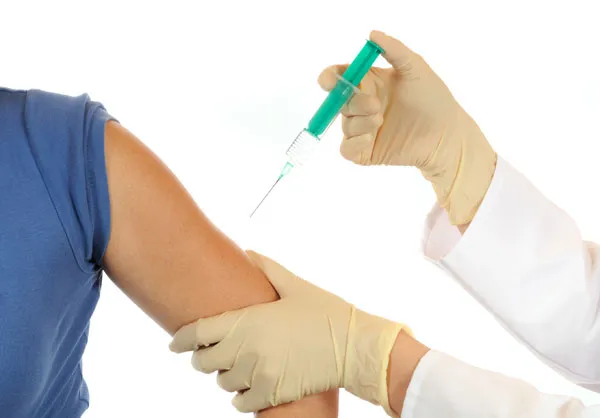
In recent years, several states have passed bills that make it harder for children to gain exemptions from getting the vaccinations schools usually require, and ethicists say this trend is a good one.
Between 2009 and 2012, there were 36 bills addressing the issue of exemptions to school immunization mandates introduced in 18 states, according to a new study.
Although most of these bills (86 percent) sought to make exemptions easier to obtain — for example, by allowing parents to cite their personal beliefs as a reason for vaccine exemption — none of these bills passed, according to the study. [5 Dangerous Vaccination Myths]

On the other hand, five bills were introduced that sought to make exemptions harder to obtain — for example, by requiring a doctor's signature for children seeking an exemption. Three of these bills passed in Washington, California and Vermont, the study found.
"Exemptions to school immunization requirements continue to be an issue for discussion and debate in many state legislatures," the researchers, from Emory University's School of Public Health, wrote in the Feb. 12 issue of the Journal of the American Medical Association.
"The trend has been towards enacting legislation to make exemptions harder," said Arthur Caplan, a bioethicist at New York University School of Medicine's Division of Medical Ethics, who has previously studied this topic but was not involved in the new study. Caplan called the trend positive.
"I think making exemptions available, but tough [to obtain], is the right stance for society to take," Caplan said.
Exemptions to vaccination should not be easy to get, because unvaccinated childrenrun the risk of not only getting an infection, but also transmitting infections to other children, who may be more vulnerable to the effects of the disease, Caplan said.
"It's not about what's just good for my child. It's about what's good for the neighbor's child who might have a high risk for disease," Caplan said. "The stakes are high," he said.
In a previous study, Caplan and colleagues found that the easier exemptions were to obtain, the more often people took them.
Methods of making exemptions harder to get include requiring parents to receive education on the benefits of vaccines before signing an exemption, or requiring children who don't get the necessary shots to stay home during disease outbreaks.
It's not a surprise that, as states passed laws to toughen up exemptions, opponents have proposed other bills to overturn these restrictions. But the latter bills haven't been succeeding recently, Caplan said.
Follow Rachael Rettner @RachaelRettner. Follow Live Science @livescience, Facebook & Google+. Original article on Live Science.
