Science news this week: Risky, lifesaving surgery performed on a baby in the womb, AI agent deletes a company database in 9 seconds, and the universe may end much sooner than expected
May 2, 2026: Our weekly roundup of the latest science in the news, as well as a few fascinating articles to keep you entertained over the weekend.
Surgery performed on a baby in the womb, a rogue chatbot deletes a company's database, why the universe could end much sooner than expected, and forecasters race to understand this year's rapid El Niño.
(Image credit: NASA, ESA, CSA, STScI, A. Riess (JHU/STScI), CC BY 4.0 INT | danijelala via Getty Images)
Baby Cassian was diagnosed with congenital high airway obstruction syndrome during a second-trimester ultrasound, which required a first-of-its-kind surgery to save him while he was still in the womb. After the surgery, the doctors sealed up the womb, where he remained for another six weeks. Cassian was born in August 2025 and is now being weaned off respiratory support. Doctors say they could perform similar surgeries on other babies in the future.
The cost of putting hallucination-prone AI agents to work was displayed all too clearly this week, with reports that the coding agent Cursor, which is powered by Anthropic's Claude Opus 4.6, deleted an entire production database and its backups in just nine seconds.
The stricken company was PocketOS, which makes software for rental car companies. After the swift deletion, the company traced the culprit back to the coding agent, and the AI bot reportedly confessed that it had guessed, acted without permission, and failed to understand the command before running it.
As AI agents are integrated into more and more key digital infrastructure, this is just the beginning, PocketOS founder Jer Crane said.
Sign up for the Live Science daily newsletter now
Get the world’s most fascinating discoveries delivered straight to your inbox.
"We are not the first," he wrote. "We will not be the last unless this gets airtime."
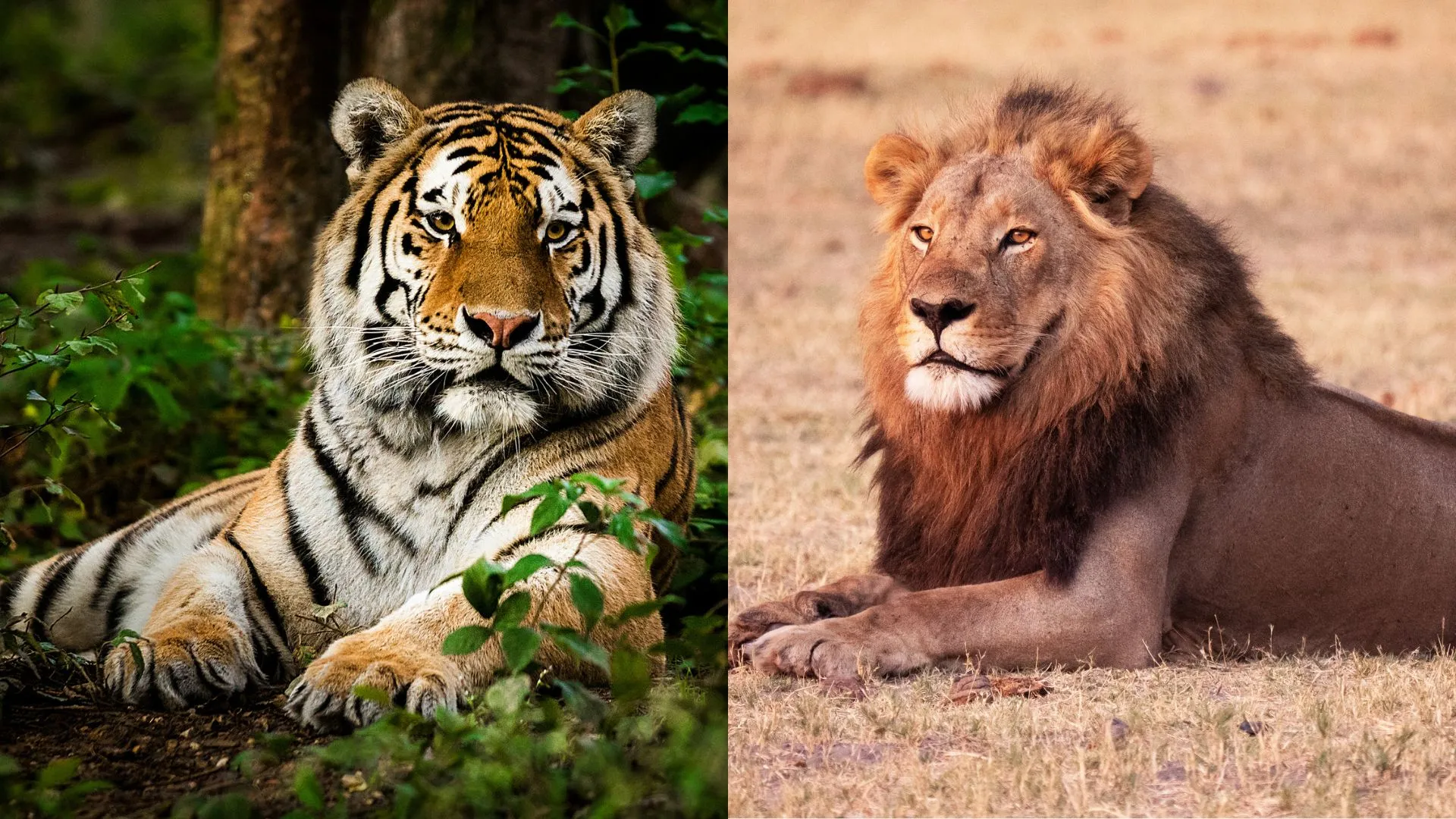
The answer is obviously stripes and manes, you may say — but beyond the superficial, there's a menagerie of fascinating distinctions between the two iconic big cats. Live Science sunk its claws into the answers here.
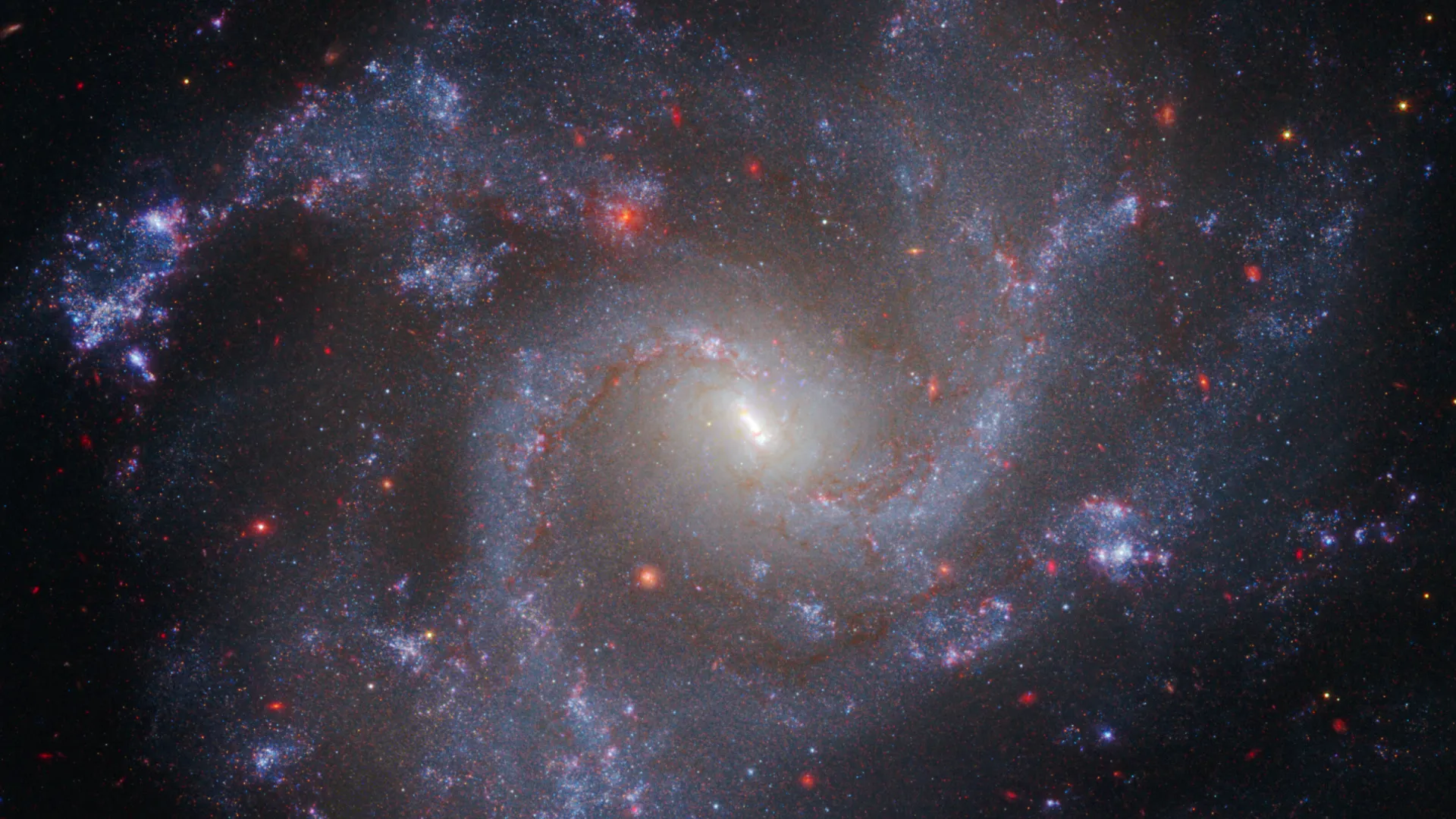
Scientists used to think our universe would live on for trillions of years.
But a new model of the cosmos has brought an even older idea that favors a more dramatic ending to our cosmos: an inward collapse known as the Big Crunch. That's if its assumptions about dark energy (the force responsible for the universe's accelerating expansion) weakening over time hold out.
Nonetheless, if a Big Crunch does occur, it won't play out for another 33 billion years — so no need to cancel any plans.
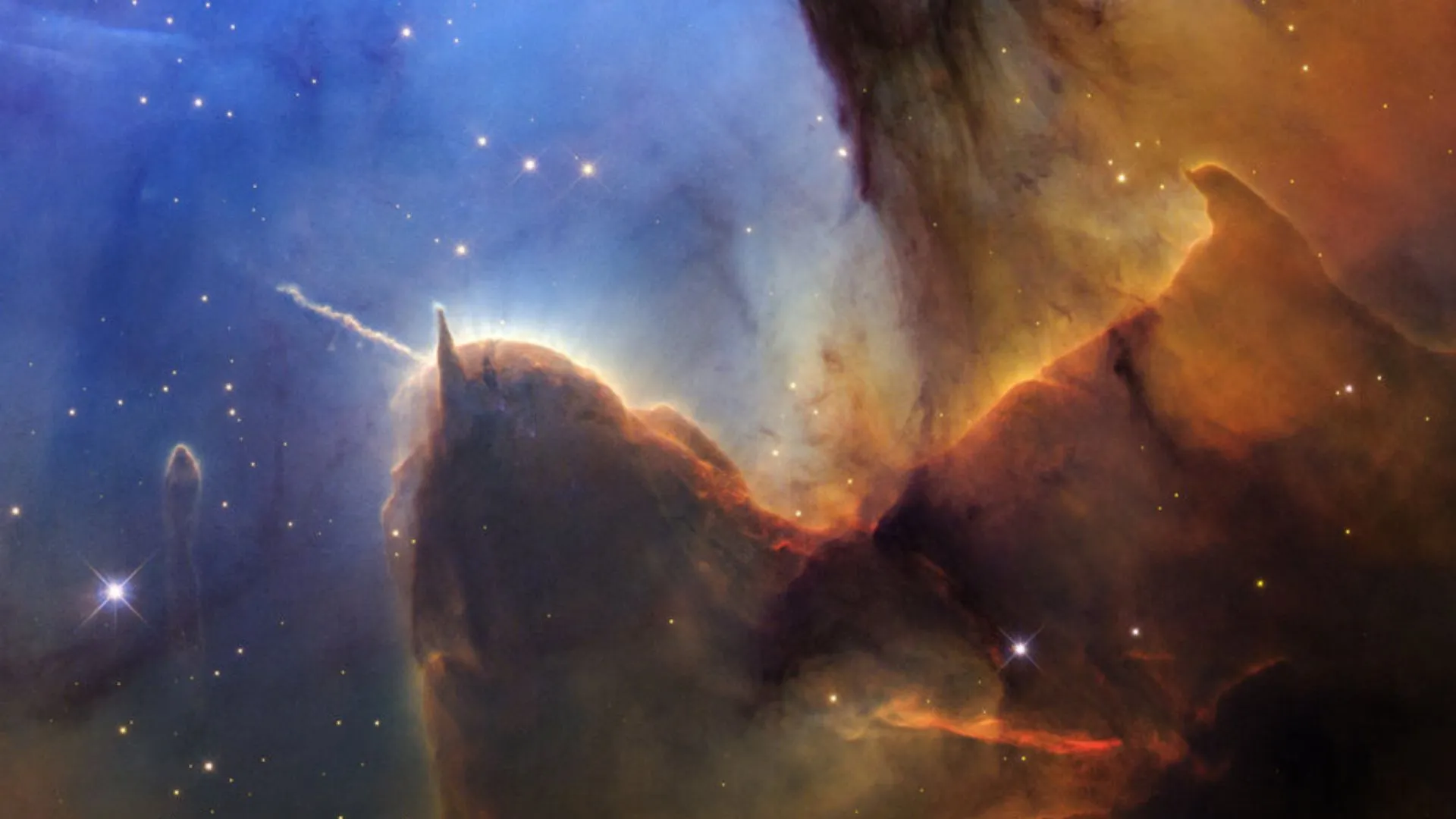
This stunning image shows the cosmic nursery Messier 20, which is nicknamed the "Cosmic Sea Lemon."
The new image, released April 20, was snapped by the Hubble Space Telescope, which captured the same region of space nearly 30 years ago. Not much has changed over that time; it's a blink of an eye on a cosmic scale. Yet a growing jet of energy is being unleashed by a newborn star, which makes the nebula resemble a unicorn.
Ben Turner is a U.K. based writer and editor at Live Science. He covers physics and astronomy, tech and climate change. He graduated from University College London with a degree in particle physics before training as a journalist. When he's not writing, Ben enjoys reading literature, playing the guitar and embarrassing himself with chess.
You must confirm your public display name before commenting
Please logout and then login again, you will then be prompted to enter your display name.