













Pesticides Contaminating Critters in California's National Parks

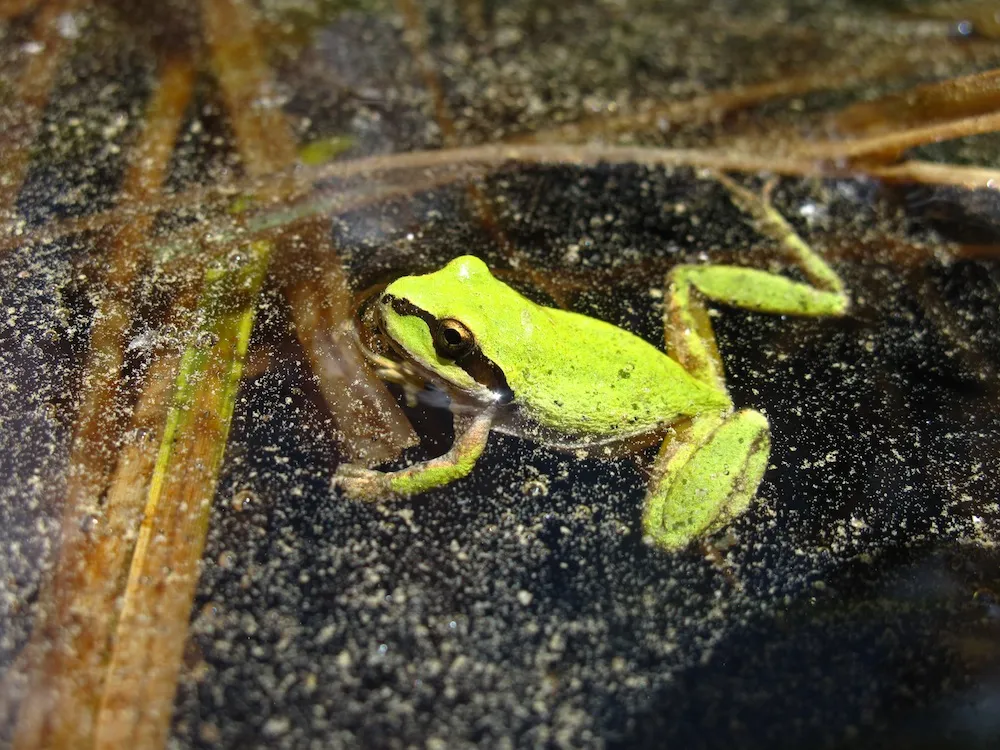
Pesticides from California's valley farms are collecting in the tissues of a singing treefrog that lives in pristine national parks, including Yosemite and Giant Sequoia, a new study finds.
The chemicals include two fungicides never before found in wild frogs, said Kelly Smalling, lead study author and a U.S. Geological Survey (USGS) research hydrologist. The study was published today (July 26) in the journal Environmental Toxicology and Chemistry.
"Fungicides have been registered for use for many years, but for some reason, they haven't really been on anybody's radar screen until recently," said Smalling, who is based at the USGS California Water Sciences Center in Sacramento.
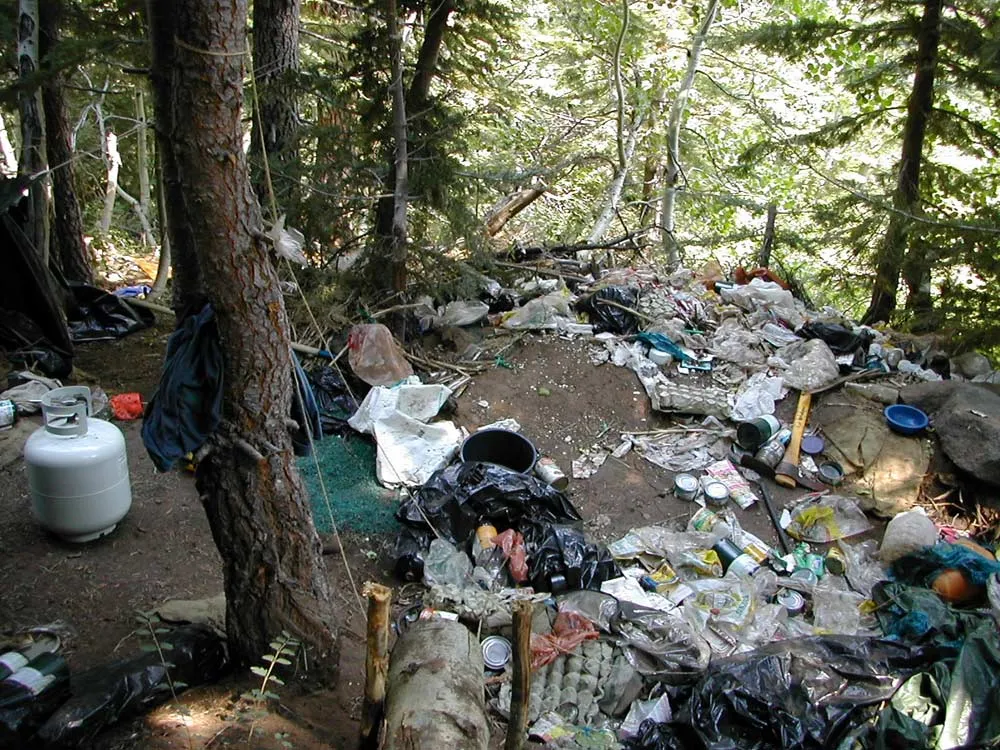
California's Central Valley is one of the country's most productive agricultural regions; crops include stellar wine grapes, nuts and kiwis. Agricultural pesticides and fungicides have been detected more than 100 miles (160 kilometers) to the east, in the rural Sierra Nevada's snow, water, air and amphibians. But valley farmers aren't the only source of agricultural chemicals: Illegal marijuana gardens hacked into public lands also expose wildlife to fertilizers and toxic rat poison, other studies have shown. Rare predator species, such as spotted owls and fisher cats, eat the poisoned mice and die.
"The marijuana cultivators make trail systems to go in, and put toxicants at every clearing," said Mourad Gabriel, a University of California, Davis, wildlife disease ecologist who studies the effects of rodenticides on rare species. "A lot of predators will use any type of trail system, so you can imagine the potential risk to multiple different species."
Catching frogs
Scientists first noticed sharply declining frog populations in the Sierra Nevada starting in the 1980s. (The problem is global. Amphibians everywhere are suffering steep population losses and strange deformities.) Earlier studies by the USGS researchers found toxic pesticide concentrations in several frog species living in the national parks. In 2009 and 2010, the scientists resurveyed many of the same sites, Smalling said.
Get the world’s most fascinating discoveries delivered straight to your inbox.
Their species of choice was the bright-green Pacific chorus frog (also known as the treefrog). On spring nights, males gather on the shores of ephemeral ponds and lakes to sing for mates. That's when biologists headed out with flashlights — to spot the frog's eyes — and scooped up the silver-dollar-size suitors. "They're very focused on attracting a female, so they don't pay much attention to what's around in their environment," Smalling said. [40 Freaky Frog Photos]
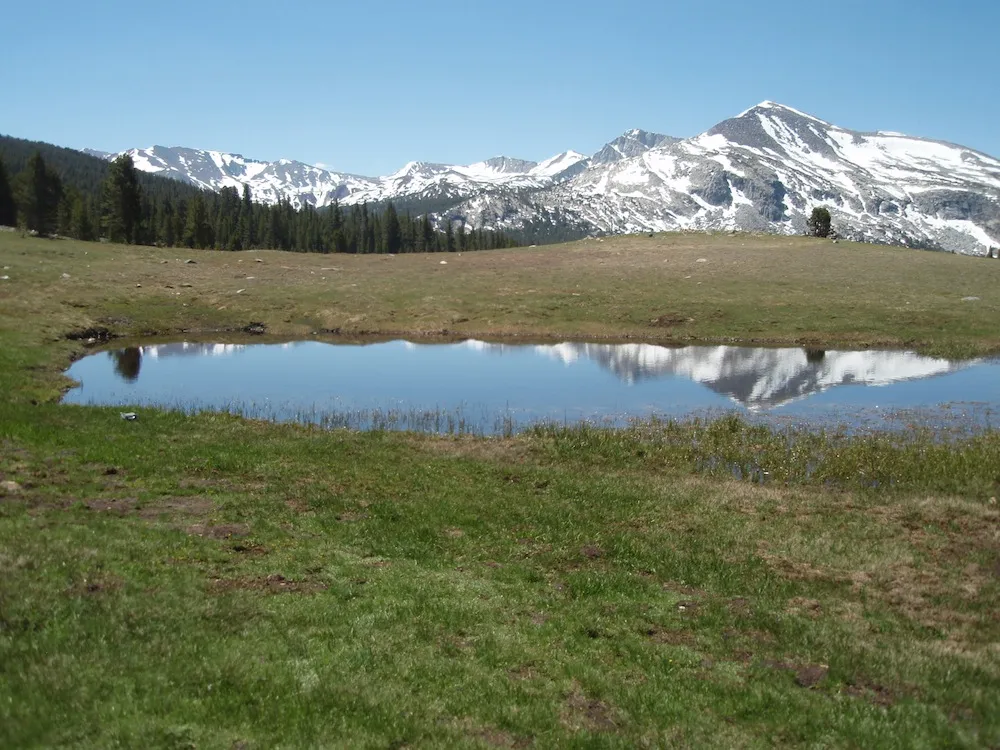
Researchers collected Pacific chorus frogs on a north-south transect across Lassen Volcanic National Park, Lake Tahoe, Yosemite National Park, Stanislaus National Forest and Giant Sequoia National Monument. They tested frog tissue, water and sediment samples for more than 90 different pesticides and fungicides.
Complex causes
The most common chemicals in the frogs were the agricultural fungicides pyraclostrobin and tebuconazole and the herbicide simazine. DDE, a byproduct of the pesticide DDT, was also frequently found.
"This hammers home the point that even if you're in an area that looks wild and natural, it can have very serious impacts from human activities 100 miles, or even more, away," said Brad Shaffer, director of the UCLA La Kretz Center for California Conservation Science, who was not involved in the study.
The chemical concentrations were often higher in frog tissues than in the environment. "The contaminants in the water and sediments were ridiculously low," Smalling said.
The frogs may store up small exposures over time, or there simply wasn't any pesticide when the water and sediment samples were taken, the researchers suggest. "We don't really understand the biology of these compounds and how they interact with the amphibians," Smalling said.

While scientists agree that pesticides likely contribute to the dramatic decline in amphibians, there are many reasons that frogs are disappearing. The heavyweight is habitat destruction and degradation, followed by an infectious disease called chytridiomycosis. In the Sierras, introducing trout into mountain lakes also hit frogs hard, because the fish gobbled up tadpoles and tiny frogs.
Climate change is another factor."The complexity is very hard to deal with," Shaffer said. "These kinds of field surveys at least tell us what's out there in those habitats and what's accumulating in at least some frogs, and that gives you candidates to simplify the problem."
Toxic pot gardens
Most pesticides in the Sierras come from the Central Valley. The pesticides travel to the mountains as aerosols, tiny particles that waft into the atmosphere on warm, rising air currents. Winds coming off the Pacific Ocean blow the aerosols west to the mountains, where they fall out of the atmosphere in rain and snow.
However, a boom in illegal pot farms in the past five years has brought a new chemical source into the parks. The cultivators spray pesticides and fertilizers and spread rat poison. Rodents that eat the poison live for two to seven days before keeling over, giving predators plenty of time to capture their dazed prey.
UC Davis' Gabriel and his colleagues are seeing the effects of these chemicals on the fisher cat, a carnivore being considered for Endangered Species Act listing. Fisher cats nibble on everything from acorns to deer carcasses. The scientists found rat poison in 85 percent of fisher cat carcasses collected on public and tribal lands, according to a study published in June in the journal Conservation Letters. The animals are also passing the poison on to their kits when the babies nurse, Gabriel said.
The UC Davis group is now testing barn owls, which rely more heavily on rodents for food than fisher cats do. Spotted owls have tested positive for rodenticides in Oregon, and Gabriel said preliminary data indicates barn owls are snaring poison-laced mice.
Email Becky Oskin or follow her @beckyoskin. Follow us @livescience, Facebook & Google+. Original article on LiveScience.com.
