













The Eta Aquariid meteor shower peaks this week: How to see 'shooting stars' dropped by Halley's Comet
The Eta Aquariids will peak May 5-6, with debris from Halley's Comet creating swift meteors, though bright moonlight will make them harder to see.

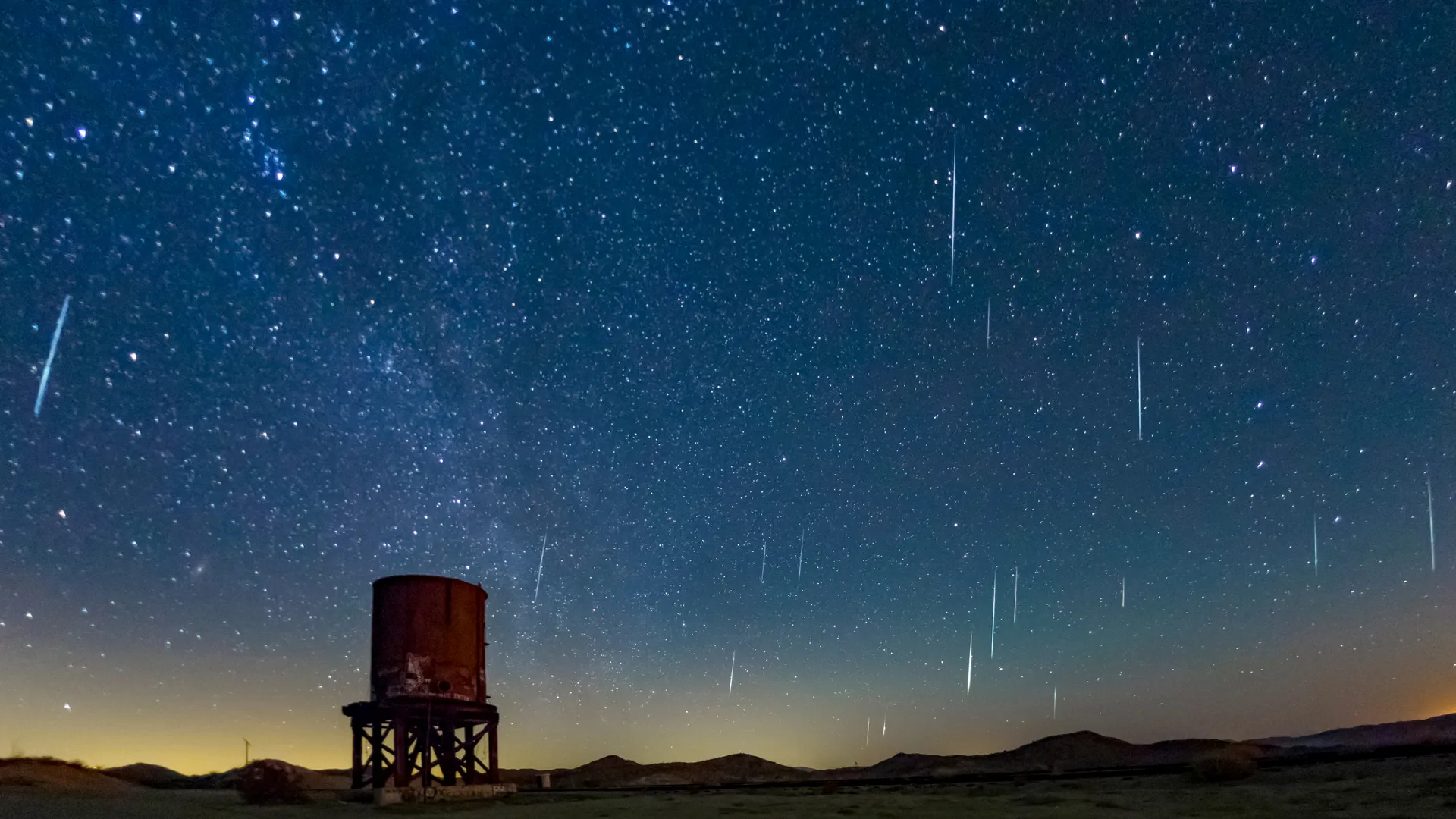
The Eta Aquariid meteor shower will peak overnight from May 5-6, giving skywatchers a chance to spot fast-moving "shooting stars" created by debris from Halley's Comet.
The Eta Aquariids (also spelled Eta Aquarids) are active from April 19 to May 28 each year, with meteors appearing to radiate from the constellation Aquarius, specifically near the star Eta Aquarii, according to Time and Date. The star, which is 168 light-years away, is visible to the naked eye — however, that distant star really has nothing to do with the shower.
The shower is one of two annual meteor displays linked to the famous Halley's Comet, which takes about 76 years to orbit the sun. The last time it was in the inner solar system was in 1986, and it will return in 2061.
Halley's Comet is currently traveling through the outer reaches of the solar system, beyond the orbit of Neptune. But twice each year, Earth passes through the trail of dust and debris that the comet has previously left behind. That creates both the Eta Aquariids in April and May and the Orionid meteor shower from early October to early November.
As Earth moves through Halley's debris, tiny particles enter the atmosphere at around 40.7 miles per second (65.4 kilometers per second), according to the American Meteor Society, producing swift meteors and persistent glowing trails. Bright fireballs are possible, but rare. Eta Aquariid activity is strongest for about a week centered on the peak night.
From the Northern Hemisphere, the shower usually produces medium rates of around 10 to 30 meteors per hour. That's because the radiant, Eta Aquarii, stays relatively low on the eastern horizon. However, meteors may still appear as long "Earthgrazers" that skim low across the sky.
The Eta Aquariids are strongest when viewed from the Southern tropics, where the radiant rises higher in the sky before sunrise. Under ideal dark-sky conditions, up to 50 meteors per hour are possible.
Get the world’s most fascinating discoveries delivered straight to your inbox.
For this year's meteor shower, moonlight will make it harder to spot meteors. On the peak night of May 5-6, the moon will be a waning gibbous that's 84% full, and its brightness could reduce rates to fewer than 10 meteors visible per hour, according to the American Meteor Society.
The best time to watch will be before dawn on May 6, when the radiant point is highest in the sky and the moon is lower, which improves visibility for fainter meteors. You'll want to watch the shower with your naked eyes, after letting them adjust to the dark — however, a good astrophotography camera is recommended if you want to try your hand at photographing a meteor shower.

Jamie Carter is a Cardiff, U.K.-based freelance science journalist and a regular contributor to Live Science. He is the author of A Stargazing Program For Beginners and co-author of The Eclipse Effect, and leads international stargazing and eclipse-chasing tours. His work appears regularly in Space.com, Forbes, New Scientist, BBC Sky at Night, Sky & Telescope, and other major science and astronomy publications. He is also the editor of WhenIsTheNextEclipse.com.
You must confirm your public display name before commenting
Please logout and then login again, you will then be prompted to enter your display name.