Best smart telescopes in 2026
Smart telescopes are an incredible way to capture the night sky with no prior experience — and they can even photograph the upcoming solar eclipse.

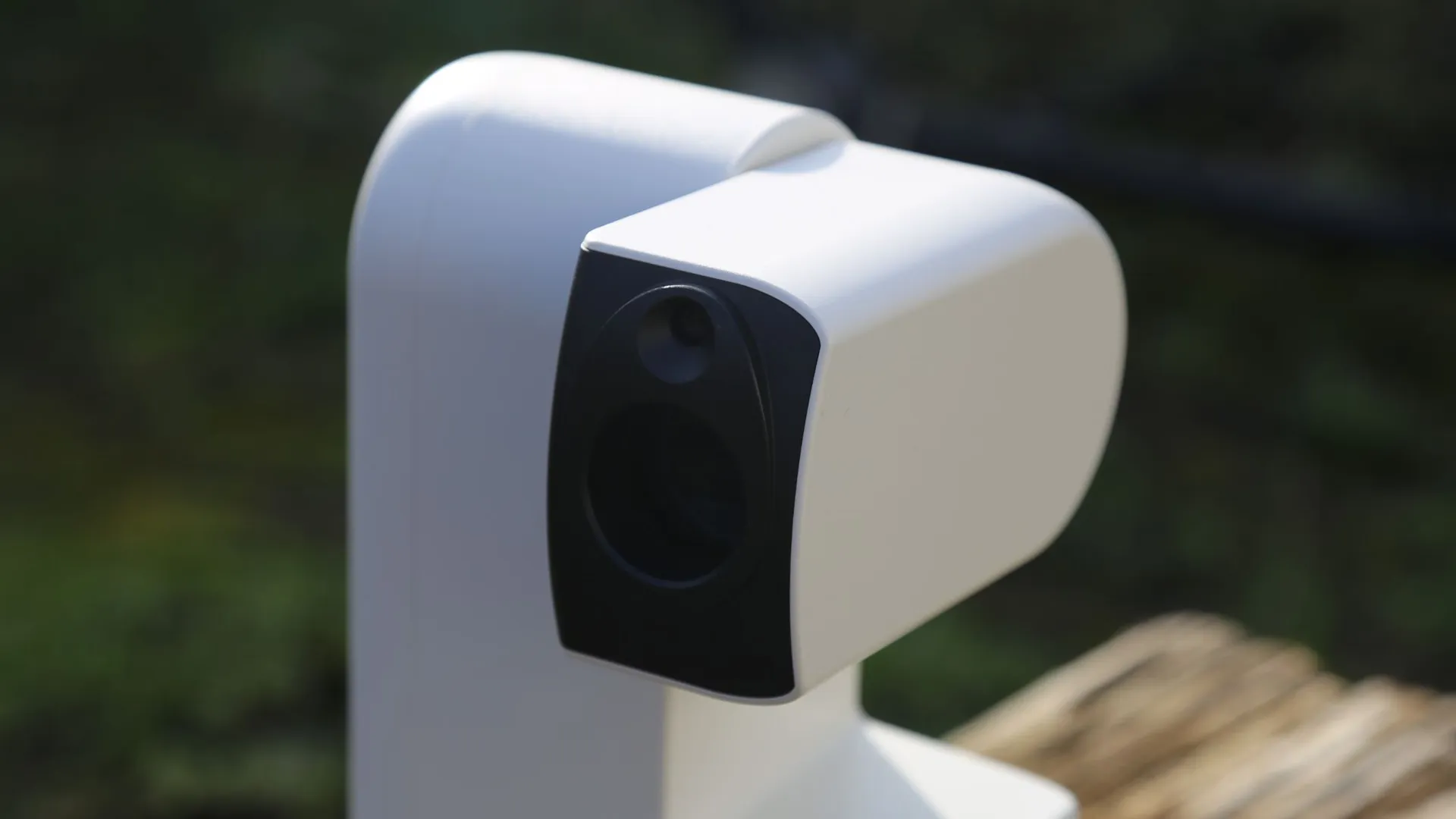
Smart telescopes make observing and photographing the night sky easier than ever. They're super simple to set up and pack away, and are usually much more portable than traditional telescopes — not to mention, they do a lot of the hard work for you, making them a fuss-free alternative to the more complicated astrophotography cameras.
Plus, a smart telescope is an easy way to photograph or video the upcoming solar eclipse on August 12. Just make sure whichever model you buy comes with a solar filter.
If you're more of a traditionalist, you might prefer the tinkering involved with an observational telescope — we've listed many in our guide to the best telescopes — but there are many benefits to going smart.
The quick list

A compact, portable and user-friendly smart telescope with 4K imaging, dual cameras for wide-field and close-up views, plus an EQ mode for more advanced users.
Best for astrophotography
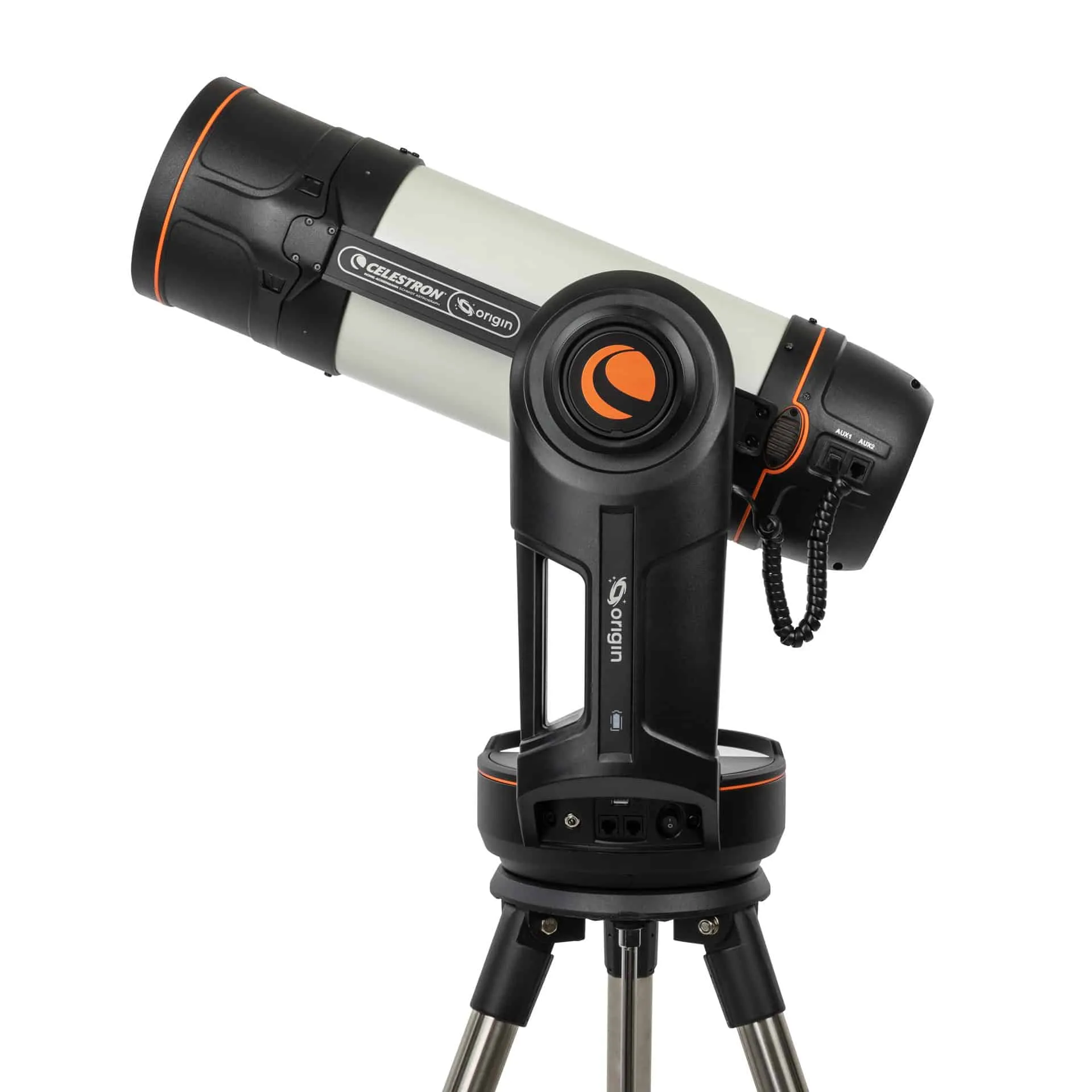
For those wanting a more traditional-looking smart telescope, the Celestron Origin may be the one. It houses all its clever smart technology inside a classic tube design.

Best for beginners
A sophisticated, app-controlled smart telescope that produces reliably impressive deep-sky images with little effort, pairing polished automation with powerful mosaic imaging.

Best for immersive viewing
A beautifully constructed smart telescope with a premium feel. Traditionalists will enjoy the vibrant micro OLED eyepiece included on this scope, but it comes at a steep cost.

Best premium
The lightest smart telescope on our list, the Unistellar Odyssey Pro is slim and compact, making it excellent for carrying around with you, and it's also fully automated.
Best for travel
The smallest smart telescope on the market, this pocket-sized imaging system is built for travel, combining automated sky capture, EQ tracking and solar capability in an exceptionally lightweight design.
If you're not quite ready to plunge into the world of smart telescopes yet, then we also have guides to the best telescopes overall and the best astrophotography cameras for those wanting to build a more traditional setup. And if you need some extra help on where to start, check out our beginner's guide to astrophotography to find out about all the equipment you need to set yourself up for success.
Best smart telescopes we recommend in 2026
Best smart telescope overall



Buy it if:
✅ You want a travel-friendly smart telescope: At just 3.6 lbs (1.65 kg), this is one of the easiest smart telescopes to carry in a camera bag.
✅ You want simple deep-sky imaging: Automatic alignment, tracking and live stacking make galaxies and nebulae accessible within minutes.
✅ You want room to experiment: EQ mode, 8.3MP images and FITS export give more ambitious users plenty to explore.
Don't buy it if:
❌ You want high-resolution planetary views: The moon is easy to locate, but planets appear very small in the field of view.
❌ You prefer a traditional telescope: There is no eyepiece, and all control takes place through the Seestar app.
The bottom line
🔎 ZWO Seestar S30 Pro: A highly portable smart telescope that makes deep-sky astrophotography remarkably easy, while adding enough advanced features — including 8.3MP imaging, EQ mode and FITS export — to keep users interested beyond the beginner stage. ★★★★½
The ZWO Seestar S30 Pro is a compact, app-controlled smart telescope designed to simplify astrophotography. Simple enough for beginners, its higher-resolution imaging, EQ mode and RAW-style workflow make it more capable than its tiny size suggests — and potentially attractive to astrophotographers.
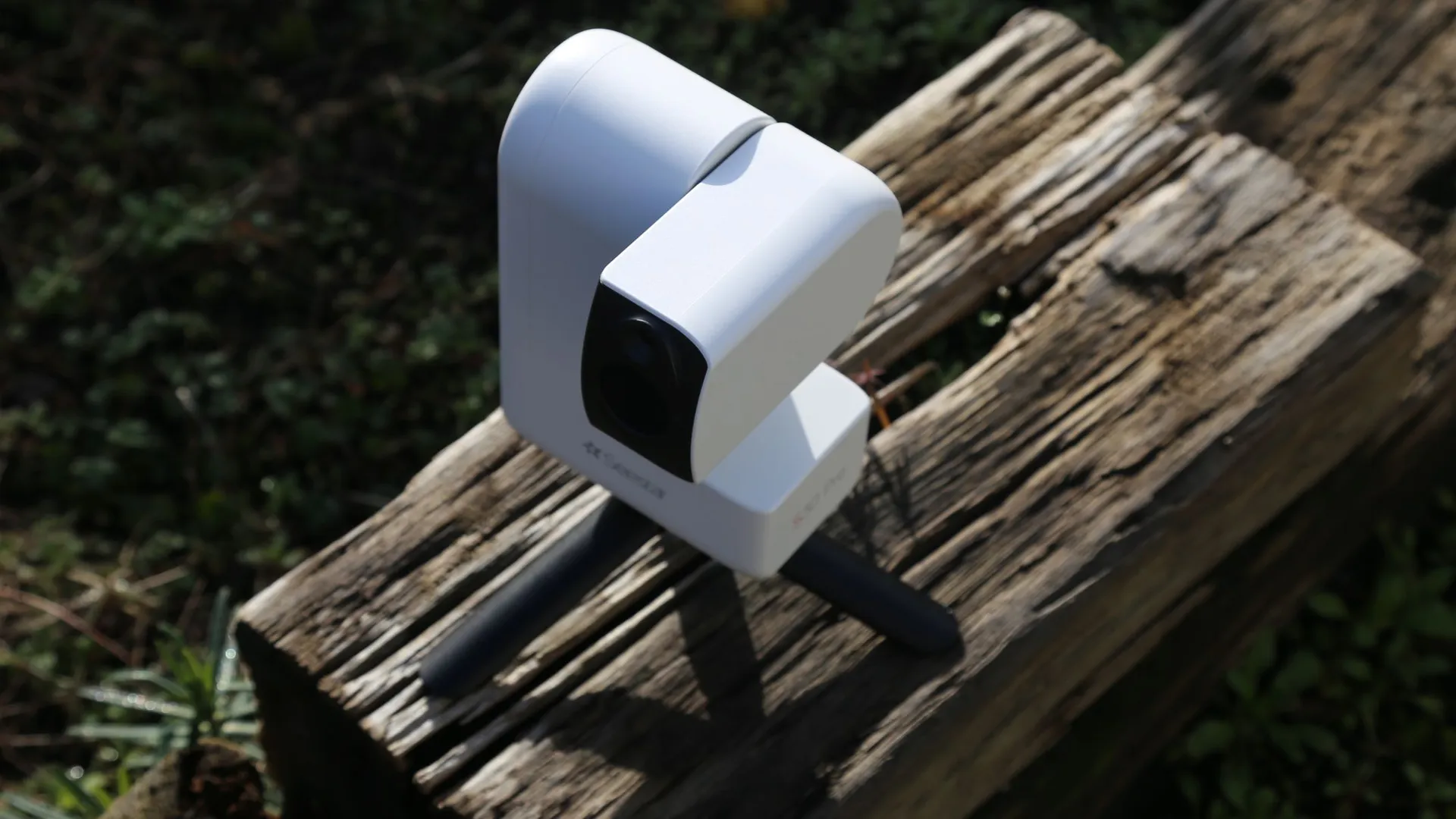
Design: The Seestar S30 Pro barely looks like a telescope at first glance. Portable and with a padded carry bag, its design is minimalist, with only a power button and USB-C port on the telescope itself. All slewing, focusing and imaging are handled through the app.
It comes with a tabletop tripod, though we found it works best on a full-size photographic tripod for better stability and a clearer view from a backyard, where fences and trees can get in the way.
A key feature is its dual-camera system: a telephoto camera for deep-sky imaging and a 63-degree wide-angle camera for alignment, wide-field imaging and even Milky Way shots (if you’re away from light pollution). It includes built-in filters for light pollution and emission nebulae, though sadly no solar filter is supplied.
Performance: We tested the Seestar S30 Pro across several cold nights under Bortle 6 suburban skies, where light pollution usually makes visual astronomy difficult. Setup was impressively quick: after mounting the telescope, powering it on and connecting via the app, it automatically identified the stars overhead and locked onto targets within a few minutes.
Once on target, it captured and stacked exposures in real time, gradually revealing faint detail in deep-sky objects. The Orion Nebula (M42) showed strong color after a short imaging run, while longer sessions on Bode’s Galaxy and the Cigar Galaxy (M81 and M82) revealed more structure. EQ mode allows exposures up to 60 seconds, but it requires an additional equatorial wedge.
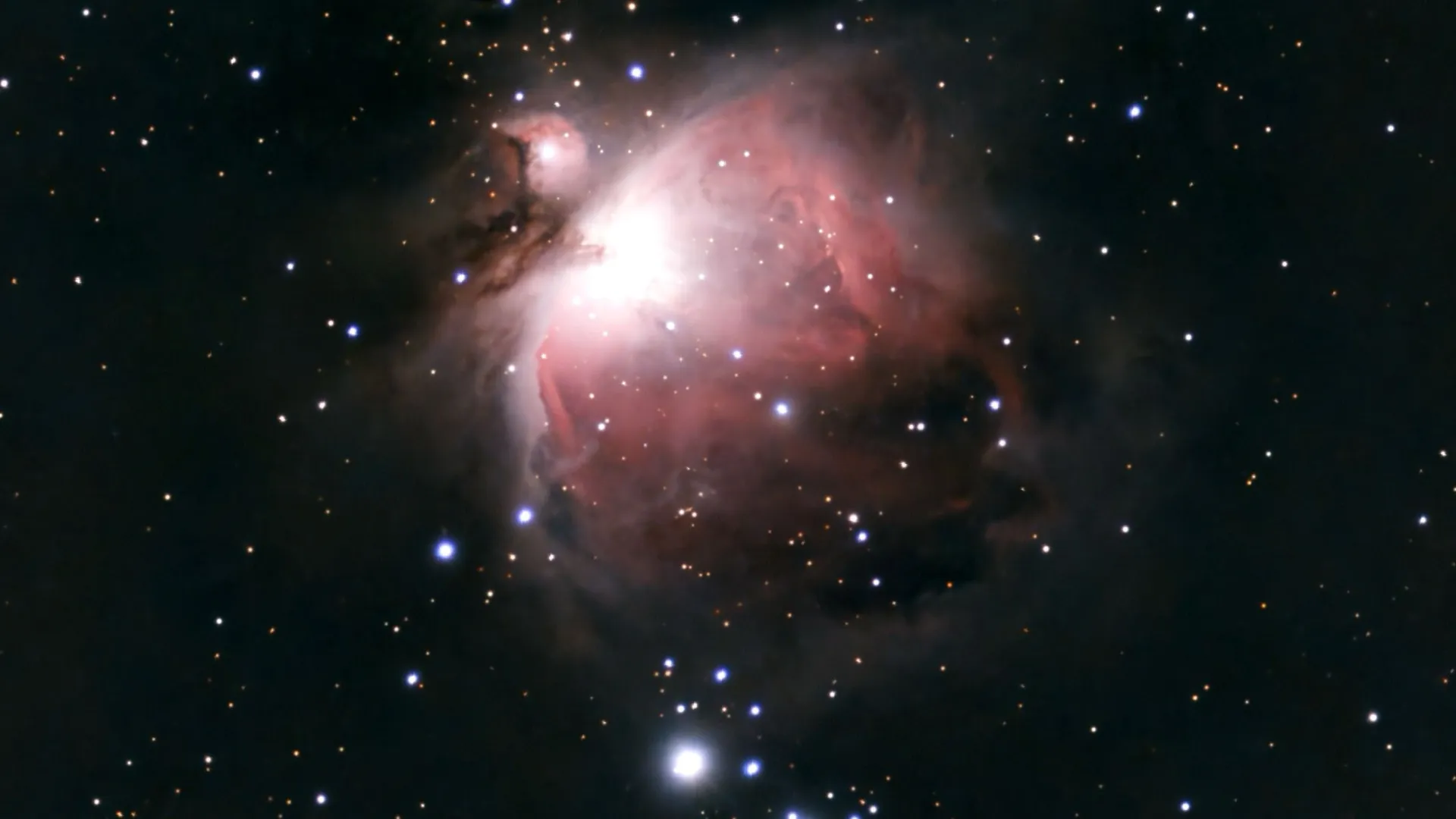
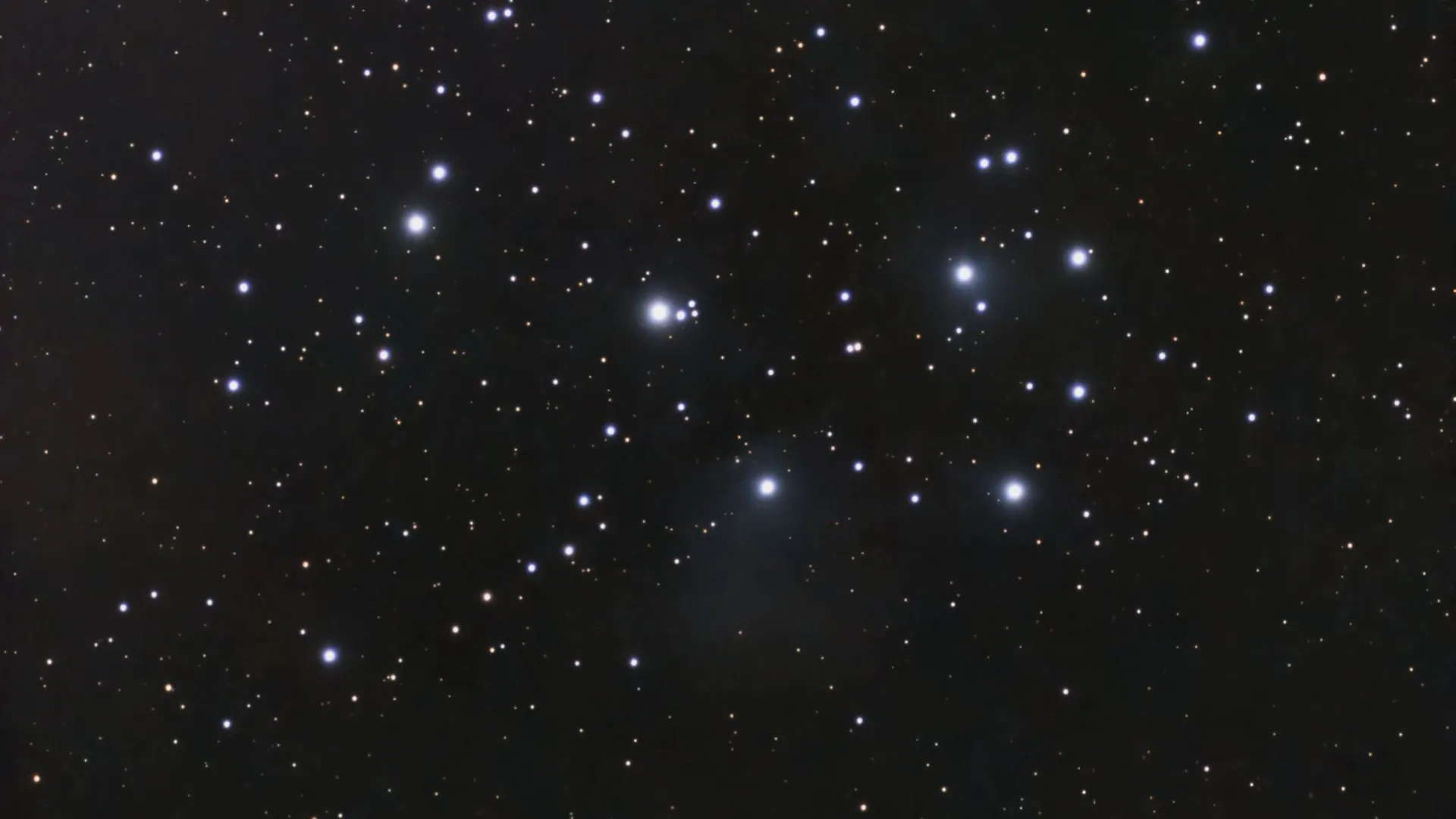
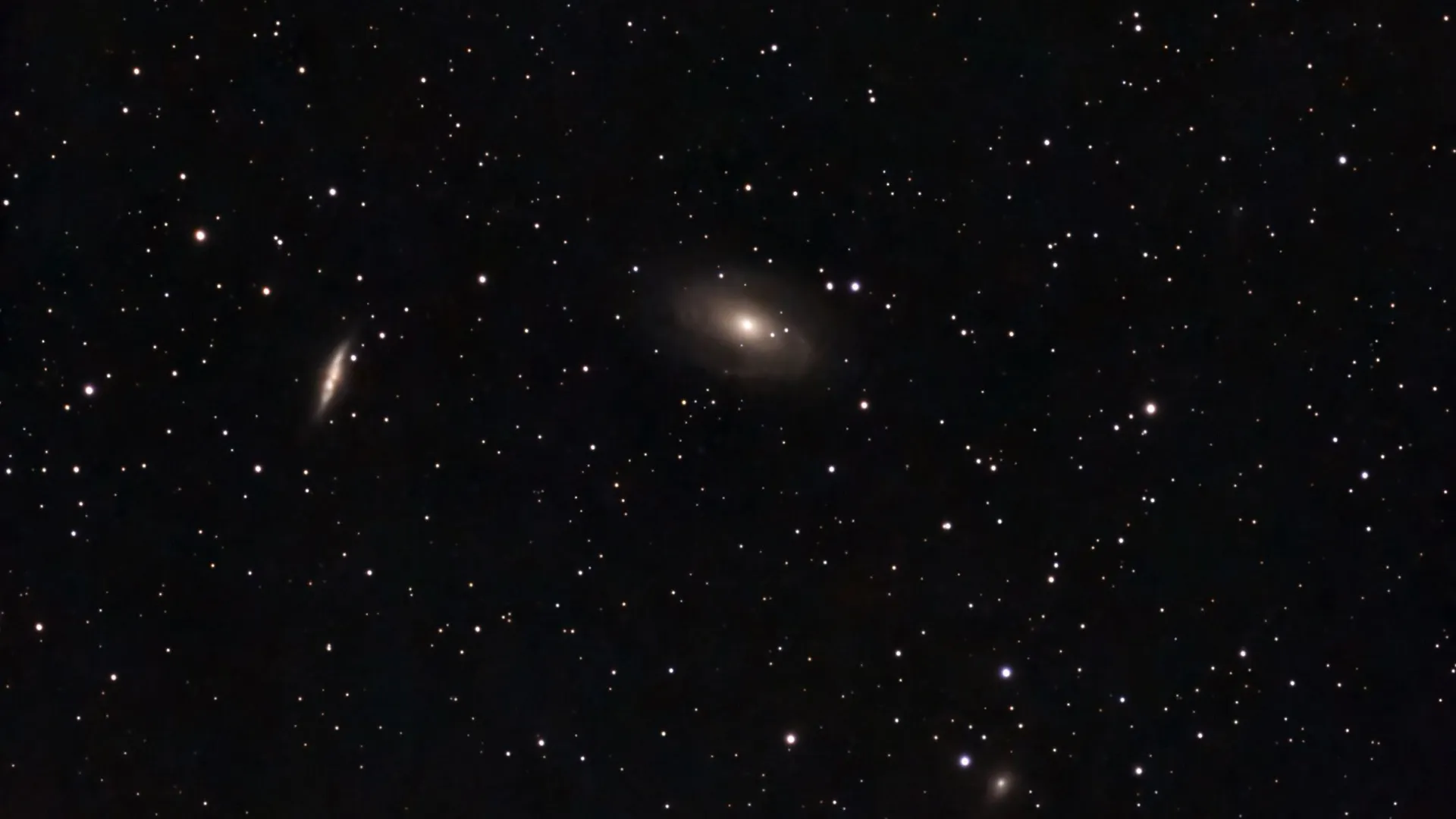


Functionality: The Seestar app is central to the experience and generally works very well. Its Sky Atlas tab makes it easy to search for targets, browse recommended objects and send the telescope to the right patch of sky. Autofocus, exposure capture, stacking and basic processing are all handled with minimal fuss. Most will be OK with JPEGs for sharing, but the app’s own Deep Sky Stack is a nice, easy step into post-processing, with tools such as re-stacking for cleaner images and an effective AI denoising feature.
Advanced users will want to export individual FITS frames for processing in software such as Siril, PixInsight or Photoshop. By appealing to several kinds of users, the result is a smart telescope that can serve as a near-instant deep-sky camera and as a stepping stone to more advanced astrophotography.
Overall, the ZWO Seestar S30 Pro is an excellent choice for anyone who wants a small, capable and travel-friendly smart telescope. Its greatest strength is that it makes deep-sky imaging possible from ordinary suburban skies, but its real appeal lies in how far users can take it once the basics become familiar.
- Read our full ZWO Seestar S30 Pro review
Best for astrophotography


Buy it if
✅ You want to photograph deep sky objects: This is where this scope really excels, producing sharp and vibrant images of galaxies, nebulas and more.
✅ You're a beginner: All the settings are fully automated so you don't need any previous experience to get fabulous shots.
✅ You want a traditional looking scope: The Celestron Origin houses all its nifty technology inside a classic telescope tube.
Don't buy it if:
❌ You need something portable and lightweight: At 41.6 lb (18.6 kg), this is a heavy scope to be carrying long distances.
❌ You're a seasoned astrophotographer: Anyone looking for full manual control may find themselves getting frustrated by the limitations of this scope.
The bottom line
🔎 Celestron Origin: A fuss-free smart telescope that produces excellent images of deep sky objects and has a traditional feel. It's easy to set up and fully automated, but has limited manual controls for more experienced users. ★★★★½
With the Celestron Origin, Celestron has produced one of the easiest telescopes to get set up and running straight out of the box. Simply erect the tripod, attach the optical tube and fire up the app, and you'll be taking your own images in just a few taps. All the settings on the Celestron Origin are fully automated, so you don't need any prior knowledge to capture some incredible astrophotography shots.
Design: One of the things we enjoyed in our full Celestron Origin telescope review was the traditional appearance of this scope. It features Celestron's classic tube design, alongside a sturdy tripod with marker lines to ensure all the legs can be set to the same height.
There are no controls on the tube itself, since everything is operated via the Origin app. It is a hefty unit at 41.6 lb (18.6 kg), but there are convenient carry handles for moving it around.
Performance: We were very impressed by the images the Celestron Origin took of deep-sky objects. Targets like nebulas and galaxies appeared sharp and colorful, with no discernible noise, and it produced clear and pinpoint stars throughout. This is definitely a scope that anyone interested in deep-sky objects would love to get their hands on, especially if they're having to contend with light pollution in a city.


Functionality: The app has a clear and intuitive interface, offering several different views. "Planetarium View" displays what's visible in the sky that night and circles particular objects of interest to select.
When you tap on an object, the Origin will do all the locating and focusing for itself, stacking and processing images as it goes. "Camera View" offers you the chance to see what the Origin is seeing in real time, and "Snapshot" allows you to access some manual settings like ISO, exposure and focus depth, though we found this worked better for the moon than for Saturn.
If you can stomach the cost, we think deep-sky enthusiasts would love the images produced by this scope, as well as its simple and easy-to-use design.
- Read our full Celestron Origin review
Best for beginners


Buy it if
✅ You are new to astrophotography: The Vespera Pro handles alignment, focusing, tracking and image stacking for you.
✅ You want quick results: Choose a target in the app, and faint galaxies, nebulae, and star clusters begin appearing on screen within minutes
✅ You want to observe with others: Up to eight devices can connect by Wi-Fi, making it ideal for families, friends or small outreach sessions.
Don't buy it if:
❌ You are on a tight budget: This is one of the more expensive beginner-friendly smart telescopes.
❌ You want to learn traditional telescope skills: There is no eyepiece, finder scope or manual observing workflow.
❌ You want to image planets: Its wide field of view is much better suited to larger deep-sky objects.
The bottom line
🔎 Vaonis Vespera Pro: One of the easiest smart telescopes for beginners to use, with an excellent app, automatic setup and impressive 12MP deep-sky images — though its high price makes it a premium entry point rather than a budget starter scope. ★★★★½
The Vaonis Vespera Pro is a smart telescope built around simplicity. Instead of asking beginners to learn polar alignment, focusing, tracking, camera control and image stacking, it puts all of that into one sleek device controlled from a phone or tablet. Select a target, let the telescope initialize, and galaxies, nebulae, and star clusters gradually appear on screen as the app stacks short exposures in real time. It is not cheap, but it is one of the most beginner-friendly ways to get genuinely impressive astrophotography results.
Design: The Vespera Pro has a distinctive, futuristic design and excellent build quality. Closed inside its carry case, it has Apple-like curves and doesn’t look like a telescope at all, but once powered up, its observing arm rotates into position. Its tabletop tripod is simple to assemble and stable, though placing it on a table or using a taller tripod can help it get a better view of objects near the horizon. It feels polished and approachable, with no confusing external controls or accessories to befuddle first-time users.
Performance: For beginners, the Vespera Pro’s biggest strength is how quickly it turns invisible deep-sky objects into visible images. Tested from a U.K. garden under Bortle 5 skies with a last-quarter moon present, it won out by stacking short exposures.
The Great Globular Cluster in Hercules, M13, was resolved into individual stars, while the nearby galaxy NGC 6207 was also visible. It also captured M81 and M82 together, showing the bright core of M81 and dark dust lanes across the Cigar Galaxy. Its field of view is best suited to large nebulae, star clusters, the moon and wider galaxy pairings, rather than planets or very small deep-sky targets.
Functionality: The Singularity app is what makes the Vespera Pro such a strong choice for beginners. It guides setup, connects by Wi-Fi, initializes the telescope, plate-solves the sky and focuses automatically. From there, users can choose recommended objects, search by Messier (M) or NGC number, enter coordinates or plan a full night of imaging. As with all smart telescopes, the image builds in real time on the screen.
Unusually, up to eight devices can connect at once, which is perfect for families or groups, while Expert mode gives users room to adjust settings. You can image the sun and eclipses with the Vespera pro, but only if you invest in an expensive solar filter.
Overall, the Vaonis Vespera Pro is an excellent beginner smart telescope for anyone who wants the simplest possible route to impressive astrophotography. However, it is expensive and won’t suit planetary imagers or traditional eyepiece observers. For newcomers who want a polished, automated and highly rewarding way to capture galaxies, clusters and nebulas, it’s an excellent premium option.
- Read the full Vaonis Vespera Pro review at our sister site, Space.com
Best for immersive viewing


Buy it if
✅ You enjoy using an eyepiece: The inclusion of a micro OLED electronic eyepiece greatly enhances the viewing experience for those who are used to traditional telescopes.
✅ You want some manual controls: The telescope includes a manual focusing ring and the option for manual positioning.
Don't buy it if:
❌ Price is a factor: This telescope is incredibly expensive, even for a smart telescope, so will only appeal to those with very big budgets.
❌ You want the highest image resolution: Whilst the image resolution is excellent for a smart telescope, it still can't compete with a traditional DSLR setup.
The bottom line
🔎 Unistellar eVscope 2: No expense has been spared in the construction of this telescope, and it shows. We loved the Nikon eyepiece and the all-round premium experience of using this scope, but you'll need a hefty budget. ★★★★½
The Unistellar eVscope 2 is a thing of beauty, right down to the Nikon micro OLED eyepiece, and its field of view offers fantastic images of larger deep-sky objects.
Design: This telescope is beautifully designed throughout. It is formed of a sleek tube in gunmetal gray set on a robust matte-black mount. In our Unistellar eVscope 2 review, we were impressed by all the fine details, including its lens cap, which houses a hidden Bahtinov mask inside.
A big highlight is the Nikon micro OLED eyepiece, which will appeal to astronomers who are accustomed to traditional telescopes and comes with a comfortable rubber surround. You also get a manual focusing ring on the rear end of the tube for fine-tuning your shots.
Performance: The movement of the mount is slick and speedy and the "Enhanced Vision" of the scope reveals far more stars than you could possibly hope to see with the naked eye, particularly in light-polluted cities.
The telescope produces fantastic images of large deep-sky objects like Andromeda Galaxy (M31), but can equally produce great pictures of the lunar surface, too. We found that the manual focusing ring tended to lag a little before showing up on the live view of the telescope, but this didn't affect the overall experience too much.
Functionality: We really enjoyed using the Nikon eyepiece on this telescope. It offers much more of a real-life viewing experience than just watching the images on your phone screen, and you'll find you can see much better in the dark with it than you can with traditional optical eyepieces (although the downside is that you can't adjust the view with Barlow lenses or other accessories).
The scope is fully automated via the Unistellar app, which will offer you recommendations for viewing based on the time, date and your GPS location. For anyone who wants a bit more control, there's also the option to enable "Advanced" mode, which allows you to use Go To Ra/Dec or Go To Alt/Az.
This is a premium smart telescope at a premium price, but if you have the money to spend, then we don't think you'll be disappointed.
- Read our full Unistellar eVscope 2 review
Best premium


Buy it if:
✅ You want an eyepiece: There is a high-quality Nikon electronic eyepiece on this telescope.
✅ You want something fully automated: This telescope is perfect for those without prior knowledge because everything on it is automated.
Don't buy it if:
❌ You want manual controls: You don't get any manual control options with this telescope.
❌ You want the top specs: While it performs well in most areas, it doesn't have the highest specs in terms of image resolution, aperture or focal length.
The bottom line
🔎 Unistellar Odyssey Pro: A compact and lightweight smart telescope that is ideal for carrying with you on your search for darker skies. It has a Nikon electronic eyepiece but lacks any manual control options. ★★★★½
With its small and compact form factor, the Unistellar Odyssey Pro is the lightest smart telescope on our list, making it a great companion for those who need something more portable.
Design: With the Odyssey Pro, Unistellar has created a smart telescope that is significantly lighter in weight than the other offerings in its line. It has a motorized single fork arm and a shorter tube than the eVscope 2 or the eQuinox 2, but it matches the eVscope 2 with its Nikon electronic eyepiece, which will appeal to those who enjoy a more traditional viewing experience. It comes in a smooth black finish, or you can pay extra to get it in a statement red color.
Performance: The Odyssey Pro is quick and easy to set up and we were pleased with the images it produced of deep-sky objects. Pictures of nebulas came out detailed and colorful, even in the presence of light pollution. Unistellar's "Deep Dark Technology" handles light pollution and image noise extremely well, producing clear shots with pinpoint stars. With a solar filter attached, you can also take excellent shots of the sun, showing a range of sunspots.
Functionality: The system is fully automated via the Unistellar app, meaning that you can operate this telescope without any prior knowledge of the night sky at all. More experienced astronomers might miss having the option for manual controls because there is no way of adjusting the focus or collimation yourself on the Odyssey Pro if something doesn't go to plan. But those who are used to traditional telescope setups may enjoy the Nikon electronic eyepiece that Unistellar has included on the Odyssey Pro, with a small screen showing you a live image of what the telescope is seeing. If you're not bothered by the electronic eyepiece, then you can also opt for the basic Odyssey model, which is exactly the same telescope without the eyepiece and saves you around $1,700.
We've yet to do a full review of the Odyssey Pro here at LiveScience.com, but you can head to the full review over at Space.com, our sister site, for more information.
- Just starting out with astrophotography? Check out our beginner's guide to astrophotography
Attributes |
Notes |
|---|---|
Design |
Compact and lightweight. |
Performance |
Bright and colorful images. |
Functionality |
Fully automated, with Nikon eyepiece. |
Best for travel


Buy it if
✅ You want a travel smart telescope: At just 1.8 lbs / 840 g, the Dwarf Mini is easy to pack for dark-sky trips, vacations and quick backyard sessions.
✅ You observe from a city: Its automated stacking and built-in filters help reveal bright deep-sky objects from light-polluted skies.
✅ You want solar and lunar imaging: The included magnetic solar filter makes it useful both day and night.
Don't buy it if:
❌ You want high-resolution images: The 2MP sensor is fine for phones and social sharing, but not ideal for large prints or detailed crops.
❌ You want a complete package: There is no tripod in the box, so you will need to supply your own.
❌ You want serious planetary imaging: The moon and sun are easy targets, but planets are small and underwhelming.
The bottom line
🔎 DwarfLab Dwarf Mini: A tiny, affordable and highly portable smart telescope that makes deep-sky, solar and lunar imaging possible almost anywhere, though its modest 2MP resolution and short battery life keep it firmly in casual travel territory. ★★★★
The DwarfLab Dwarf Mini is a smart telescope designed with portability in mind. Smaller, lighter and cheaper than many rivals, it packs automated alignment, tracking, image stacking, solar imaging and even EQ mode into a device small enough to slip into travel luggage. Its 2MP sensor limits ultimate image quality, but for beginners, educators, urban astronomers and travelers who want a simple way to capture the night sky, it’s a remarkably capable instrument.
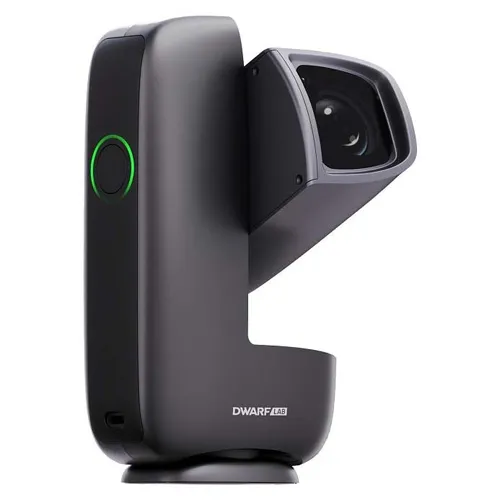
Design: The Dwarf Mini is so very small. Measuring around 8 inches (204 mm) long and weighing just 1.8 lbs (840 g), it feels more like a compact camera than a telescope. Its lens arm pivots through 225 degrees, while the base rotates through 360 degrees, giving it flexible sky coverage from a tabletop setup.
There are no manual aiming controls; everything is handled through the DwarfLab app. Inside is a 1.18-inch (30mm) refractor with a 5.91-inch (150mm) focal length and a Sony IMX662 CMOS sensor. It also has a motorized internal filter wheel, with dark-frame, astro and dual-band options, plus wide-angle and telephoto modes. A magnetic solar filter, USB-C cable and cleaning cloth are included, but no tripod.
Performance: Despite its size, the Dwarf Mini is surprisingly effective under urban skies. After connecting through the app, it plate-solves the sky, slews to a target and begins stacking short exposures, usually around 10 to 15 seconds each. Bright objects such as the Orion Nebula can appear impressive within a minute, while fainter nebulae and galaxies require longer sessions. Stacked images look sharp and colorful on a phone screen.
The sun and moon are also easy targets: with an in-the-box solar filter attached, the Dwarf Mini can stack short exposures of the sun and reveal sunspots. Dwarf Mini also captures 1080p video and time-lapse footage, making it potentially useful for daytime wildlife and landscape use as well as for astronomy.


Functionality: The DwarfLab app controls target selection, alignment, exposure settings, stacking, file saving and sharing. Choosing targets is easy, and stacked images can be saved as JPG, TIFF or FITS files, allowing users to process them later in software such as PixInsight or Photoshop. That makes it useful to beginners and advanced users alike, though most will use Stellar Studio, DwarfLab’s built-in processing tool.
It can be fiddly, but its Star Correction feature is genuinely useful, restacking frames more accurately for sharper results. Mega Stack also lets users combine frames from multiple sessions, while the scheduler can automate imaging runs — though the four-hour battery means a portable power bank is recommended for longer nights.
Overall, the DwarfLab Dwarf Mini is an excellent smart telescope for travel, ideal for anyone who wants casual deep-sky imaging without carrying bulky equipment. Serious astrophotographers will quickly find its resolution and dynamic range limiting, but that’s not really the point.
For city observers, educators, beginners and dark-sky travelers, it offers a fun, compact and affordable way to capture galaxies, nebulas, clusters, the moon and the sun from anywhere you take it.
- Read our full DwarfLab Dwarf Mini review
Best smart telescopes: comparison
| Row 0 - Cell 0 | Rating |
ZWO Seestar S30 Pro |
★★★★½ |
Celestron Origin |
★★★★½ |
Vaonis Vespera Pro |
★★★★ |
Unistellar eVscope II |
★★★★½ |
Unistellar Odyssey Pro |
★★★★½ |
DwarfLab Dwarf Mini |
★★★★ |
Also tested

Offering everything you need from a smart telescope in a sleek and compact package, the Vaonis Vespera II produces detailed 8.3MP images and represents fantastic value for money.
Read our full Vaonis Vespera II review

For those on a budget, the Vaonis Vespera is a great entry point into the world of smart telescopes. It's small and capable, with plenty of additional features.
Read our full Vaonis Vespera review

The Unistellar eQuinox 2 is a versatile smart telescope that produces fabulous images of deep-sky objects, while also being able to image closer neighbors like the sun.
Read our full Unistellar eQuinox 2 review
Contributing experts & product testers

Jase Parnell-Brookes is the Managing Editor for e-commerce for Live Science and Space. Previously the Channel Editor for Cameras and Skywatching at Space, Jase has been an editor and contributing expert across a wide range of publications since 2010. Based in the UK, they are also an award-winning photographer and educator winning the Gold Prize award in the Nikon Photo Contest 2018/19 and named Digital Photographer of the Year in 2014. After completing their Master's degree in 2011 and qualifying as a teacher in 2012, Jase has spent the last two decades studying and working in photography and publishing in multiple areas, and specializes in low light optics and camera systems.
Jase has reviewed the Vaonis Vespera II, Unistellar eVscope and Unistellar eQuinox 2 in this guide.

Gemma was the former content director of Live Science, Space.com, science and space magazines How It Works and All About Space, history magazines All About History and History of War. She is the author of several books including "Quantum Physics in Minutes", "Haynes Owners’ Workshop Manual to the Large Hadron Collider" and "Haynes Owners’ Workshop Manual to the Milky Way". She holds a degree in physical sciences, a master’s in astrophysics and a PhD in computational astrophysics.
Gemma has reviewed the Vaonis Vespera in this guide.

Brett is a science and technology journalist who is curious about emerging concepts in spaceflight and aerospace, alternative launch concepts, anti-satellite technologies, and uncrewed systems. Brett's work has appeared on The War Zone at TheDrive.com, Popular Science, the History Channel, Science Discovery, and more.
Brett has reviewed the Celestron Origin in this guide.
Best smart telescopes FAQ
How are smart telescopes different from traditional telescopes?
Instead of having a traditional optical setup with an eyepiece that you can see through, smart telescopes take photographs of your target and automatically stack them on top of each other to create the effect of a long-exposure shot. They then send the resulting image to your smartphone or tablet for viewing and sharing.
Some smart telescopes include an electronic eyepiece that will display a live view of what the telescope is seeing, but it's not a direct optical view of the night sky. Because of the way they work, smart telescopes are very adept at seeing through light pollution, so they don't require you to seek out dark-sky locations in the same way that traditional telescopes do (although it never hurts to do so). They also come with fully automated Go To mounts that will slew to your target of choice at the push of a button, taking a lot of the hard work out of collimating and focusing your telescope.
Why are smart telescopes so expensive?
Fundamentally, because they're packing in a lot of clever technology! When you buy a smart telescope, you're essentially buying an all-in-one astrophotography setup. So when you consider the cost of buying all those elements separately (one of the best telescopes, alongside one of the best astrophotography cameras), the price doesn't seem that bad.
You're also paying for the ease of use. Smart telescopes require very little setting up and you don't need to position them and focus them yourself. In the time it would take you to get a handful of decent shots with a traditional astrophotography setup (let alone the time it would take you to edit those images), you could be taking home hundreds of shots with a smart telescope.
Do you need a lot of experience to use a smart telescope?
No, and that's one of the beauties of this bit of technology. Anyone can use a smart telescope, right down to complete beginners who have no prior knowledge of the night sky or astrophotography techniques. That's because everything on a smart telescope can be fully automated via the accompanying app. Some smart telescopes also come with the option for manual controls, like focusing rings, to allow more experienced users to hone their shots themselves.
What is the best smart telescope?
This depends on your needs, but for the average user we think that the Vaonis Vespera II is the best smart telescope to buy. It offers fantastic image quality, fully automated functionality and comes in at an affordable price. For experienced users who want more manual options and have a bit more money at their disposal, we also highly rate the Unistellar eVscope 2 for its premium feel and more advanced controls.
What is the cheapest smart telescope?
The Vaonis Vespera is one of the most budget-friendly smart telescopes you'll find, although still expect to pay four figures. You could also consider the Vaonis Hestia, which is designed to be used alongside a smartphone. You'll be able to find one of these for around $300.
Can beginner astronomers use smart telescopes?
Absolutely. Smart telescopes are ideal for beginners, because they take out all of the hard work, doing practically everything for you. The only real barrier is the cost: most astronomy beginners won't want to (or simply can't) spend multiple thousands on a telescope. But if you can, you'll find you need no experience to get to grips with a smart telescope.
What do you need to be able to use a smart telescope?
Most smart telescopes require you to sync to your phone via a bespoke app, so you'll need a smartphone. You may also need a power source, particularly if you're going to be stargazing for extended periods of time
Should I buy a smart telescope or one of the best astrophotography cameras?
Both tools are very different, and it depends on what you're looking for. Smart telescopes are designed primarily to explore the night sky, but they make it very easy to capture images of what you can see. Buying one of the best astrophotography cameras will require a good grasp of photographical knowledge and skill to be able to capture good photos. So unless you're already an experienced photographer, a smart telescope is a better choice.
Can children use smart telescopes?
Absolutely. Because they are so easy to use and set up, smart telescopes are great for kids to learn about space. But as with any expensive equipment, we'd recommend that younger kids are always accompanied by an adult when they're using them.
What can you see with a smart telescope?
Smart telescopes shine when it comes to observing deep-sky objects — the Andromeda Galaxy and Orion Nebula are always a favorite. You can view planets, but the views aren't as detailed. The moon also looks fantastic with a smart telescope.
Latest updates
August 3, 2026:
- ZWO Seestar S30 Pro added as "Best Overall"
- Vaonis Vespera Pro added as "Best for beginners"
- Dwarflab Dwarf Mini added as "Best for travel"
- Vaonis Vespera II, Vaonis Vespera and Unistellar eQuinox 2 moved to "Also tested"
How we test the best smart telescopes


Related articles
Best telescopes
Best small telescopes
Best kids telescopes
Best beginner astro cameras
Best beginner cameras
Best image stabilized binoculars
Best astrophotography cameras
Best binoculars
Best binoculars for stargazing
Best binoculars for kidsBest star projectors
Best power banks
Best cameras for wildlife photography
All the smart telescopes in this guide were tested by experienced reviewers with an in-depth knowledge of optics, astronomy and astrophotography. We take each telescope out and put it through its paces in real-life situations, from light-polluted backyards to dark-sky locations, to see how it performs under different lighting conditions.
A key element of any smart telescope is its app, so we make sure to go through all the different functions to highlight any snags and give our readers an honest opinion on its interface. Where a smart telescope has manual functions, we also make sure to test those out and check whether they work as well as the telescope's automated functions.
One of the most important aspects of any telescope is its image quality, so we test all our smart telescopes out on a range of different targets, including deep-sky objects like galaxies and nebulas, as well as closer objects like the sun, moon and planets. We check for sharpness, color rendition and any optical defects when picking out which smart telescopes to recommend in our guide.
Our reviewers always aim to be unbiased and to cover both the pros and cons of each scope, so that you can be sure you're making an informed decision about whichever device you ultimately choose to buy.