















What to buy as a yoga beginner: Must-haves vs non-essentials
As a yoga teacher, here are my recommendations for the must-haves you need when you start yoga — and which non-essentials you may also wish to consider.


Yoga is now a popular form of exercise in the West, and one that doesn't need much equipment to get started. However, knowing exactly what you need to go to your first yoga class, or even to practice at home, can still feel overwhelming at the start — especially when there are so many yoga props you could buy. This is why we've put together our recommendations on what the must-haves are for a yoga beginner, and which items you can consider buying later.
One of the most obvious things you will need is one of the best yoga mats, but it can also help to have some yoga blocks to make the postures more accessible to you. As a beginner, you want to keep your practice simple, so using yoga blocks can be a real benefit.
Of course, there are many other useful yoga props available, but we recommend only buying these once you've established a regular practice. Here are the must-haves we suggest for beginners to yoga.
- Related: Does yoga count as exercise?
- Related: 8 benefits of yoga
- Related: Pilates vs yoga: How do the two practices affect the body?
What to buy as a yoga beginner: Yoga mats

A yoga mat is the number one essential to get for starting yoga.
While, technically, you could practice yoga on any floor, having one of the best yoga mats makes it much easier to hold postures like downward dog, as they provide extra grip. We don't know if you've ever tried doing downward dog on carpet, but it's definitely more of a workout!
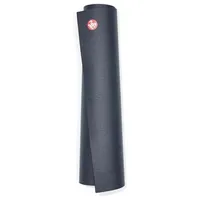
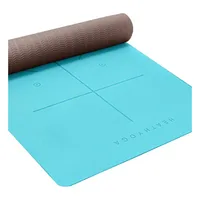
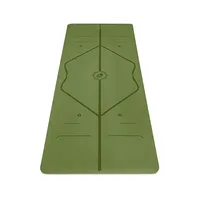
One of the main things you'll need in a yoga mat, as a beginner or otherwise, is good grip. Alignment lines can also be helpful as you learn the postures and where to place your hands and feet. The alignment lines can help you find the right distance between hands and feet, but they are only there as a guide — it's important to listen to what feels best in your body.
Other than grip, you will also want to consider how much padding a yoga mat offers you. Anything between 4 and 6 millimeters should offer sufficient padding, but when you start yoga, you'll find your joints are more sensitive before they get used to the pressure placed on them in certain postures. Therefore, consider a thicker yoga mat or having a blanket nearby for postures where your joints are not as happy.
Here are our recommendations for the best yoga mats you can buy as a beginner.
What to buy as a yoga beginner: Yoga blocks

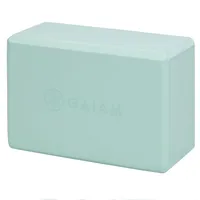
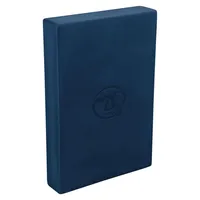
Yoga blocks can help to make postures more accessible for beginners.
For beginners to yoga, props are essential — your body will not be accustomed to the postures, and things will feel tight. Having props available will make your introduction to the practice easier. There are many forms of yoga props available for purchase, but we recommend starting with yoga blocks. These are versatile as you're able to use them for both seated and standing postures.
There are different types of yoga blocks available, so it's important to know the distinctions between them. While most yoga blocks are known as such, you can also get something called "yoga bricks." These are thicker than yoga blocks, which tend to be thinner and wider. Yoga bricks are great for standing postures to bring the floor closer to you, while yoga blocks are better suited for seated postures, especially if you have a pelvic tilt when sitting on the floor, which means it's hard for you to sit with a straight spine. Depending on your budget, you may want to get one of each. However, you can use either for both standing and seated postures if you're restricted by finances.
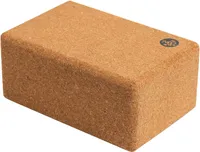
Another consideration is the material the yoga blocks are made out of. You can get yoga blocks and bricks made out of cork or EVA foam — both offer good support, so it's really down to personal preference and the impact on the environment, with cork being the more eco-friendly option.
Here are our top recommendations for yoga blocks.
- Related: Can yoga fix your posture?
- Related: Is yoga strength training?
What to buy as a yoga beginner: Fitness trackers
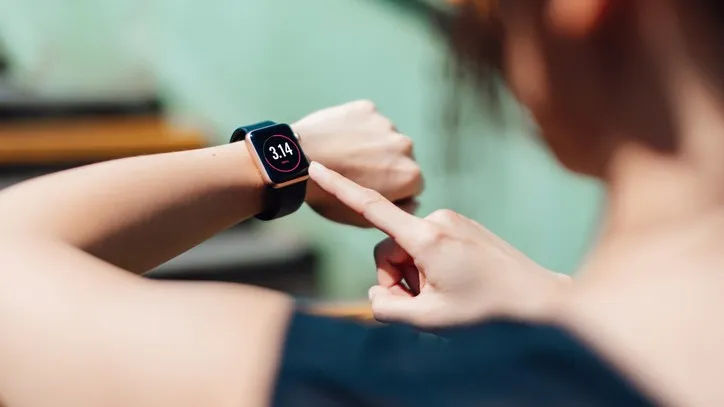
Fitness trackers can help those new to yoga work out how it impacts their health and wellbeing.
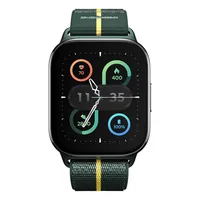
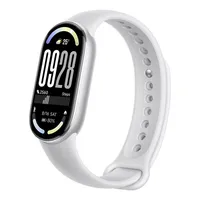
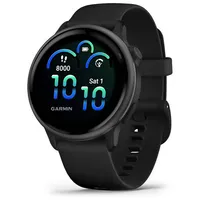
Some of the best fitness trackers can be used to track your yoga practice. As a beginner, you may be more interested than an experienced yogi in understanding how yoga is impacting your fitness. With a fitness tracker, you can track how many sessions a week you are doing, how long you are practicing for in each session, your heart rate throughout yoga classes and calories burned. This can give you an idea of how yoga is helping your fitness journey and the impact it might be having on your overall health.
While some fitness trackers can be really expensive, you can also track your yoga classes with one of the best budget fitness trackers. In fact, we can recommend the Motorola Moto Watch Fit as the best fitness tracker for yoga.
If you're looking for a fitness tracker for other exercise and not just yoga, you may want to invest in one of the best Garmin watches, where you will get a lot for your money.
Here are our favorite fitness trackers for tracking your yoga practice.
- Related: Can yoga help you lose weight?
- Related: Does yoga build muscle?
What not to buy as a yoga beginner (right away)

There are plenty of yoga props you could buy to help your practice.
It may feel like you need a lot of equipment to be able to practice yoga, but in reality you can get started on very little. We've outlined the must-haves you need to get started as a beginner, but as you develop a more regular practice, you may feel you need more props and items, which is a natural progression. This is where our list of non-essentials come in — you can buy them now or wait until you're more familiar with the practice.
Once you've been practicing for a while, you may want to consider specific yoga workout clothes, a yoga chair, a yoga bolster or even a yoga belt. While these are great to have, we would argue they are not essential for a beginner and can be bought over time. You can, of course, get them at the start of your yoga journey, but they are not necessary.
To start with, you can practice yoga in any comfortable workout gear, but in time, you may prefer to get some yoga pants. These are comfortable to wear and can help prevent your feet from slipping down your leg in balance postures like tree pose.
When it comes to other yoga props such as a yoga chair, yoga bolster and yoga belt, these can help you to explore the postures with added support and ease. While they are not must-haves for beginners (many postures can be adopted without the need for props), they can be useful once you've built up a regular practice to help you target areas in your body that feel resistant to the postures without the extra support.
For example, a yoga chair can help make some backbends or seated postures more accessible. A yoga bolster can help to relieve upper back discomfort in some more reclined backbends, or can be used to support you in postures like child pose. And a yoga belt can help make shoulder or hamstring stretches more accessible.
What to buy as a yoga beginner: The bottom line
Yoga is one exercise where you don't need a huge amount of equipment to get started, but as your practice develops, you may find you want to invest in more yoga props to help support your body and deepen your practice. We recommend starting with the basics and expanding your collection over time.
