-
 Properties of Matter: Gases
Reference Gases are a state of matter with no fixed shape or volume. They have a lower density than solids and liquids.
Reference -
 Marie Curie: Facts and biography
Reference Marie Curie was a physicist and chemist and a pioneer in the study of radiation.
Reference -
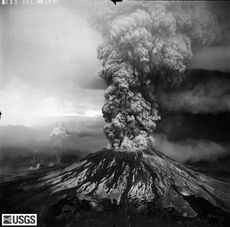 Mount St. Helens Eruption: Facts & Information
Picturesque Mount St. Helens erupted on May 18, 1980 and remains the most destructive example of volcanic activity in the United States.
volcanoes -
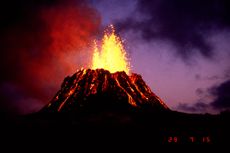 Kilauea Volcano: Facts About the 30-Year Eruption
On the Big Island of Hawaii, one of the world's most active volcanoes has been spewing lava since 1983.
volcanoes -
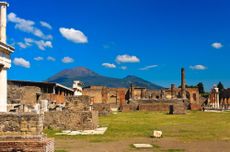 Mount Vesuvius & Pompeii: Facts & History
The only active volcano on mainland Europe is famous for destroying the cities of Pompeii and Herculaneum.
geology -
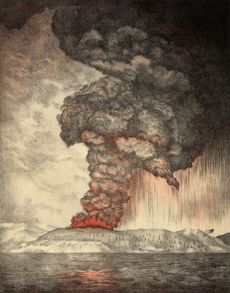 Krakatoa Volcano: Facts About 1883 Eruption
The eruption of the Krakatoa volcano in 1883 was one of the most deadly in modern history.
volcanoes -
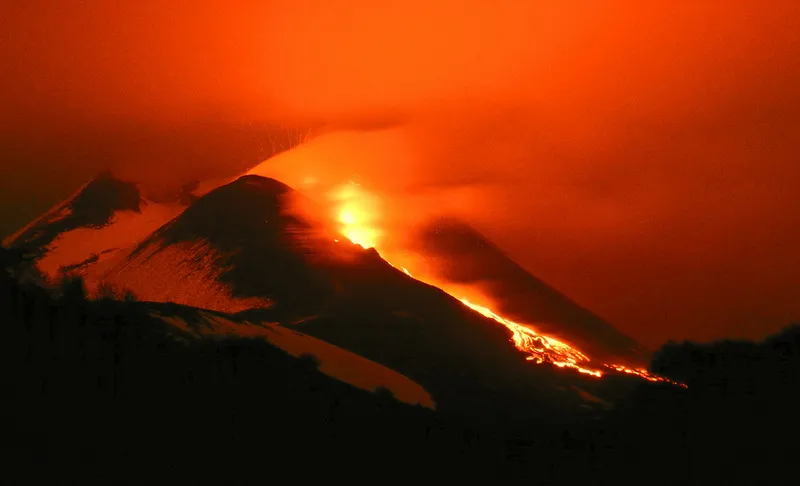
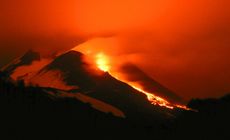 Mount Etna: Facts About Volcano's Eruptions
Mount Etna is Italy's largest active volcano. It is also the volcano with the longest record of continuous eruption.
volcanoes -
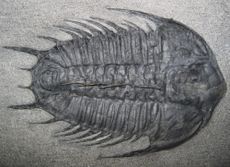 Cambrian Period: Facts & Information
A dramatic burst of evolutionary change, called the Cambrian Explosion, occurred during this period.
human-behavior -
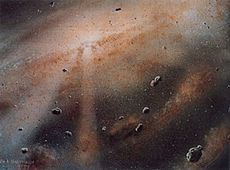 Precambrian: Facts About the Beginning of Time
The Precambrian was the first super eon of Earth’s history, lasting from about 4.6 billion to 542 million years ago.
geology -
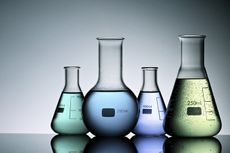 Properties of Matter: Liquids
Liquid is a state of matter between solid and gas. Molecule are farther apart from one another, giving them space to flow and take on the shape of their container.
chemistry -
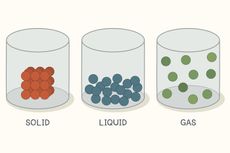 Properties of Matter: Solids
Solid is a state of matter in which the molecules are packed closely together and usually arranged in a regular pattern. A solid object has a fixed shape and volume.
chemistry -
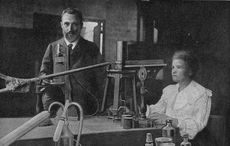 History of Chemistry | Famous Chemists
In many ways, the history of civilization is the history of chemistry. Humans have always sought to identify, use and change the materials in our environment.
chemistry -
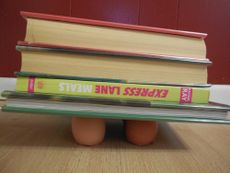 Easter Egg Science Experiments | Science Projects for Kids
Did you know that Easter eggs are wonderful materials for fun science projects? Try some of these eggs-periments and find out how interesting your eggs can be!
food-drink -
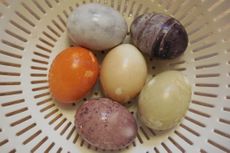 Coloring Easter Eggs with Natural Dyes | Fun Science Experiments
Brightly colored materials in your kitchen can be used to make natural dyes for Easter eggs.
food-drink -
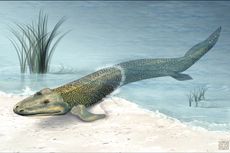 Devonian Period: Climate, Animals & Plants
The Devonian Period occurred from 419.2 million to 358.9 million years ago. It is often known as the “Age of Fishes."
human-behavior -
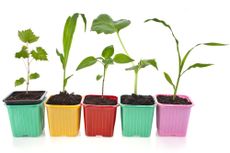 Simple Plant Science Experiments for Kids
These simple plant science experiments will sharpen your little ones’ interest in seeds and plants.
human-behavior -
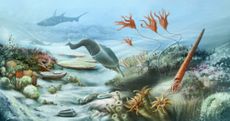 Silurian Period Facts: Climate, Animals & Plants
The Silurian Period occurred from 443 million to 416 million years ago. It was a time of great environmental changes on Earth and saw the first evidence of life on land.
human-behavior -
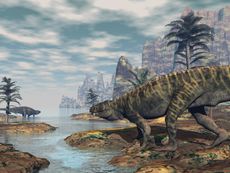 Triassic Period Facts: Climate, Animals & Plants
The Triassic Period occurred between 251 million and 199 million years ago. It was a time when life outside of the oceans began to diversify.
dinosaurs -
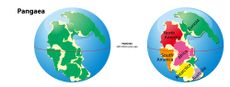 Permian Period: Climate, Animals & Plants
The Permian Period lasted from 298.9 million to 251.9 million years ago. Two groups of animals that dominated the period would later branch into mammals and reptiles.
geology -
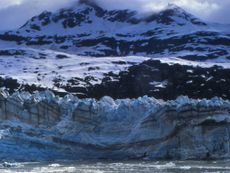 Quaternary Period: Climate, Animals & Other Facts
The Quaternary Period is a geologic time period that encompasses the most recent 2.6 million years — including the present day.
geology -
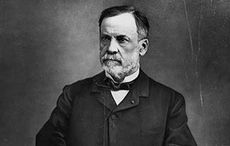 Louis Pasteur: Biography & Quotes
Louis Pasteur was a French chemist who proved that germs cause disease, developed vaccines for anthrax and rabies and created the process of pasteurization.
human-behavior -
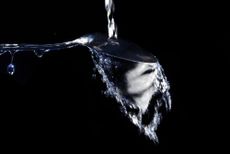 Fluids in Motion | Fun Science Experiments
Here are some fun ways to demonstrate principles of fluid dynamics.
human-behavior -
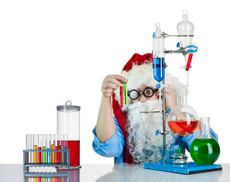 Science Projects for the Holidays
Is Christmas too slow in coming? Why not liven things up with a little fun and interesting science? These activities are sure to while away some of those holiday doldrums.
technology -
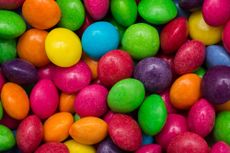 Candy Chromatography | Holiday Science Project
In this holiday science experiment, find out what dyes were used to make your favorite colorful candies.
food-drink