













6 Wild Ways the Moon Affects Animals

Moon Madness
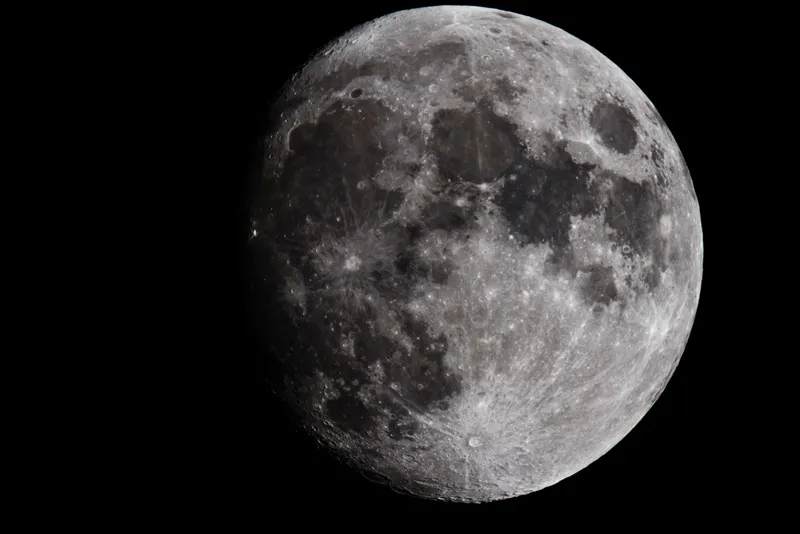
While many lunacies associated with the moon remain largely myth, some strange patterns of animal behavior have, indeed, been linked to the lunar cycle. A variety of rationalizations explain these effects: A full moon can provide a time cue for synchronized events, facilitate visual communication in the nighttime, or just scare normally night-active nocturnal animals into the shadows. Here are six of the most unexpected ways the moon affects animal behavior.
Badgers become pee-shy

European badgers tend to raise their leg up when they pee more often during the new moon (when the moon is between the Earth and sun so the side facing us receives no direct sunlight) than the full moon, researchers have found. The badgers use this move to mark territory, especially when they are getting ready to mate. And the new moon seems to be prime time for badger mating, with scientists suggesting the increased darkness provides the badger couple protection from lurking predators. Pairs of badgers can take up to 90 minutes to mate, and become easier targets during that time. So while the pee pattern may seem to be a loony habit, it appears to have a practical root in self defense.
Coral sex goes wild

On a particularly moonlit night each December, corals off the coast of Australia synchronize the most massive release of egg and sperm on Earth. While a variety of environmental factors likely work together to trigger the event — including temperature, salinity and food availability — researchers have found that levels of moonlight seem to play a major role: The event always occurs on or near a full moon.
By synchronizing spawning, the corals increase the odds that free-floating sperm will contact and fertilize eggs. Hundreds of coral species do this around the world, but the events in Australia are the largest, visible from shore as undulating pink plumes. [Gallery: The Fantastic Full Moon]
Pets get injured

Cats and dogs seem to find more mischief and get injured more often during the full moon. One study investigating this correlation — frequently noted by veterinarians and other workers in animal care — found a 23 percent increase in cat visits and 28 percent increase in dog visits to emergency rooms on nights when the moon was fuller. The researchers were unable to determine why, exactly, pet behavior becomes more precarious during this time, but suggested that it could simply result from pets spending more time outsideat night when the moon is brighter.
Doodlebugs dig larger holes

Doodlebugs — the larvae of dragonfly-like insects called antlions — scurry around sandy environments in search of places to catch prey, leaving winding doodles in their paths. Once they find their spot in the sand, they dig funnel-shaped holes in which they sit and wait for prey to fall in.
Doodlebugs dig new traps every day, and researchers have found that these holes get bigger during full moons. This surge in hole size may be the result of their insect prey becoming more active under the light of the full moon, making the extra effort of digging larger holes pay off. However, researchers have found that this habit persists even within complete darkness of a laboratory, suggesting that other components of the lunar cycle play a role as well.
Get the world’s most fascinating discoveries delivered straight to your inbox.
Lions kill during the day

Lions hunt best at night, but will sometimes kill during the day, especially after a full moon. Research has shown that lions consume less food during moonlit nights, possibly because prey is less active during these times. To make up for a slow-night's hunt, the lions must find extra fuel during the day following a particularly well-lit night.
Another study, published in 2011 in the journal PLOS ONE, found that African lions are more likely to attack and kill humansin the days right after the full moon. The phenomenon is likely due to the gap in darkness between sunset and moonrise that happens in the days after the full moon. During these dark evenings, more people are likely to be outdoors still, the researchers suspect, accounting for the lion-human run-ins.
Scorpions Glow Blue in Moonlight

The UV rays of moonlight react with a protein in scorpions that makes them glow in the dark. These arachnids seem to react to glowing the way that people react to blushing: the brighter the signal, the deeper they try to retreat. They tend to be more active during the new moon, and seek shelter later in the lunar cycle. Researchers are still not quite sure why this is, but some suggest prey may be more available during darker nights. And with less prey roaming about during the full moon, the scorpions shy away from the spotlight. [Top 10 Amazing Moon Facts]
