













11 (sometimes) deadly diseases that hopped across species

Bacteria and viruses that are deadly to one type of creature can evolve quickly to infect another. While the new coronavirus SARS-CoV-2 (which causes COVID-19) is the latest example,a host of infectious and deadly diseases have hopped from animals to humans and even from humans to animals.
The cross-species infection can originate on farms or markets, where conditions foster mixing of pathogens, giving them opportunities to swap genes and gear up to infect (and sometimes kill) previously foreign hosts. Or the transfer can occur from such seemingly benign activities as letting a performance monkey on some Indonesian street corner climb on your head. Microbes of two varieties can even gather in your gut, do some viral dancing, and evolve to morph you into a contagious host.
Diseases passed from animals to humans are called zoonoses. There are more than three dozen we can catch directly through touch and more than four dozen that result from bites. But disease-carrying parasites are not picky about hosts. Human diseases can decimate animal populations, too, from such well-meaning activities as ecotourism.
Novel coronavirus
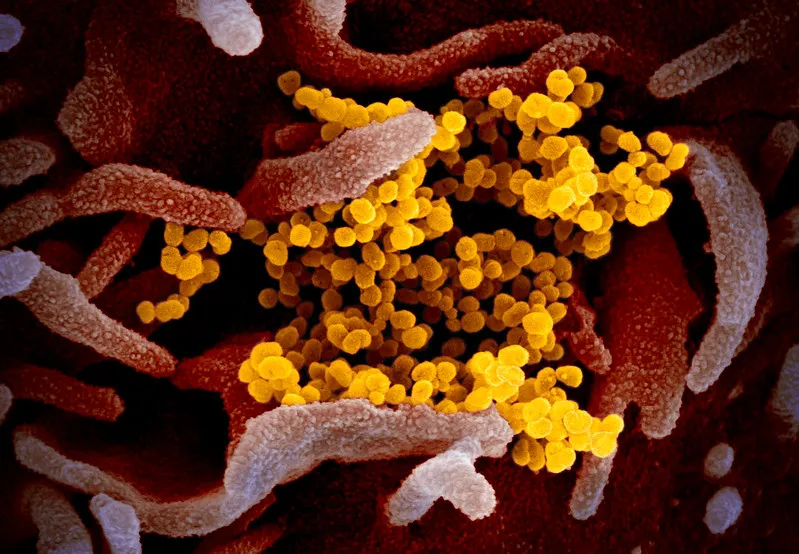
The novel coronavirus that causes the disease COVID-19 was first identified at the end of December 2019 in Wuhan, China, where officials suspect the source was somehow linked to a seafood market there. Genetic analyses of the virus suggest it originated in bats. However, because no bats were sold at the seafood market at the outbreak's epicenter, scientists think an as-yet-unidentified animal acted as a go-between in transmitting the coronavirus to humans. This "intermediate" animal could be the pangolin, an endangered, ant-eating mammal, according to a handful of studies of the virus. Even so, the viruses that have been found in samples taken from illegally trafficked pangolins don't match the SARS-CoV-2 virus closely enough to prove the pangolin as this stepping stone, the journal Nature reported.
A previous study had pointed to snakes — which were sold at that seafood market — as the possible source of SARS-CoV-2. Even so, experts criticized the analysis that led to that conclusion, saying it's still unclear if coronaviruses can even infect snakes.
Influenza pandemics

The 1918 influenza pandemic swept the world within months, killing an estimated 50 million people — more than any other illness in recorded history for the short time frame involved. The H1N1 influenza virus that infected more than one-third of the globe had an avian origin. First identified in the United States by military personnel in the spring of 1918, the virus killed an estimated 675,000 Americans, according to the Centers for Disease Control and Prevention (CDC).
Unlike some flu strains that mainly kill the elderly and those with compromised immune systems, the 1918 strain hit young adults hardest, as the older population seemed to have some immunity built up from a past H1N1 virus. In one year, the average life expectancy in the United States dropped by 12 years.
Get the world’s most fascinating discoveries delivered straight to your inbox.
Another H1N1 virus, this one called (H1N1)pdm09 cropped up in the spring of 2009 and lasted until the next spring, with the CDC estimating some 60.8 million cases and 12,469 deaths in the U.S. Worldwide, the virus killed between 151,700 and 575,400 individuals, the CDC estimates. That virus appears to have originated in pig herds, with a so-called reassortment of influenza viruses — when the viruses swap genetic information — occurring naturally in North American and Eurasian pig herds.
Bubonic plague

Nothing beats the 14th-century Black Death (also called Bubonic Plague) for sheer global impact of a single disease outbreak and bringing civilization to its knees. It is the epitome of plague. Corpses piled in the streets from Europe to Egypt and across Asia. Some 75 million people died — at a time when there were only about 360 million living on Earth. Death came in a matter of days, and it was excruciatingly painful.
Plague is a bacterial disease caused by Yersinia pestis. It is carried by rodents and even cats, and hops to humans through bites from infected fleas (often rat fleas). The disease becomes most deadly to us when transmitted between people, as became the case in the 1300s. Symptoms include fever, chills, weakness, and swollen and painful lymph nodes. Even today, if not treated, the disease is deadly.
The plague of the 14th-century resulted after the rare bacteria had been dormant for centuries in Asia's Gobi Desert. After awaking in the 1320s, it piggybacked along trade routes from China, through the rest of Asia and eventually to Italy in 1347, then later to Russia.
It took centuries for some societies to recover, as some of the survivors mistrusted local authorities and in some cases even God, under whose wrath they presumably had suffered.
Diseases that bite
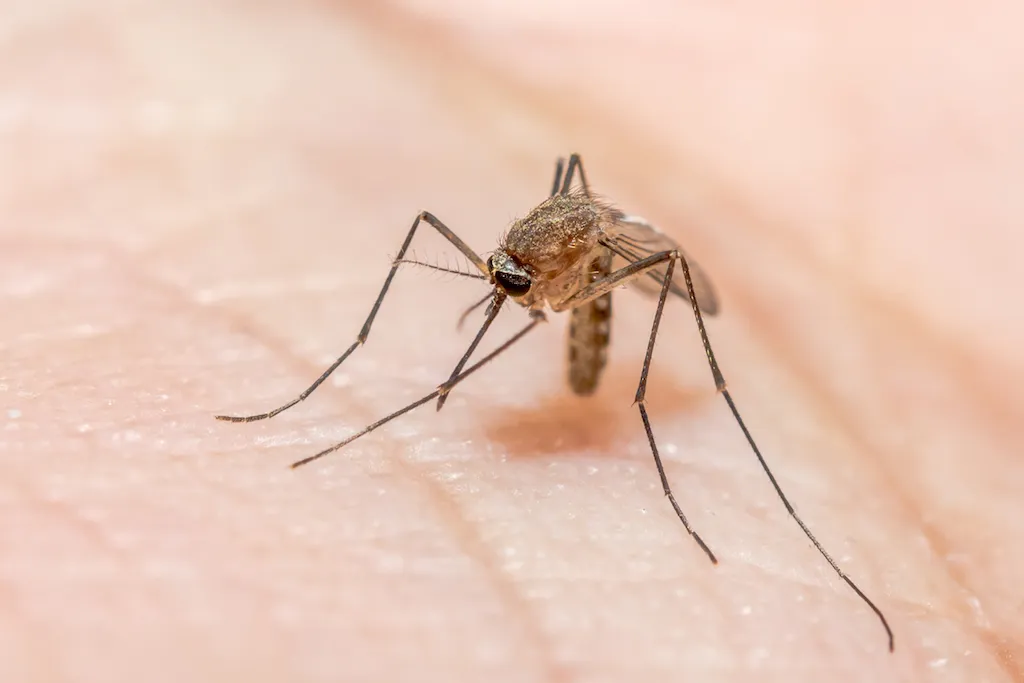
A range of zoonotic diseases are caused by animal bites. And mosquitoes lead the way: Malaria, which is caused by a parasite and gets transmitted to humans through bites from infected mosquitoes, infected an estimated 228 million people across the globe in 2018, with 405,000 related deaths that year, most of which were in kids in Africa, according to the CDC.
Mosquito-borne dengue fever infects some 400 million people annually, with about 100 million of those individuals getting sick from the infection and 22,000 dying from it, the CDC reports. That disease is transmitted through bites from infected mosquitoes in the Aedes genus.
From pets and mice

Illustrating our illness connection to animals and especially pets, Rabies kills about 55,000 people globally each year, mostly in Asia and Africa. In the U.S., only one or two people a year die from Rabies, the CDC says. Most deaths follow a bite from an infected pet dog, though wild animals can carry rabies, too.
You don't even have to be bitten by animals to get some deadly diseases from them. Hantaviruses are carried mostly by rodents and get transmitted to humans when viral particles that are shed in urine, feces and saliva get aerosolized … and you breathe in that dust. The CDC considers the Sin Nombre virus as the most important hantavirus in the U.S. that can cause the disease hantavirus pulmonary syndrome (HPS). That hantavirus is spread by deer mice. In the U.S., however, no person-to-person transmission of this virus has been reported to date, the CDC says. Symptoms include fever, chills, myalgia, headache and gastrointestinal issues, among other features. And although this disease is rare, the fatality rate is 36%, according to a 2015 CDC report. Since it was first identified in 1993, more than 600 cases in the U.S. have been confirmed, according to the CDC.
HIV/AIDS
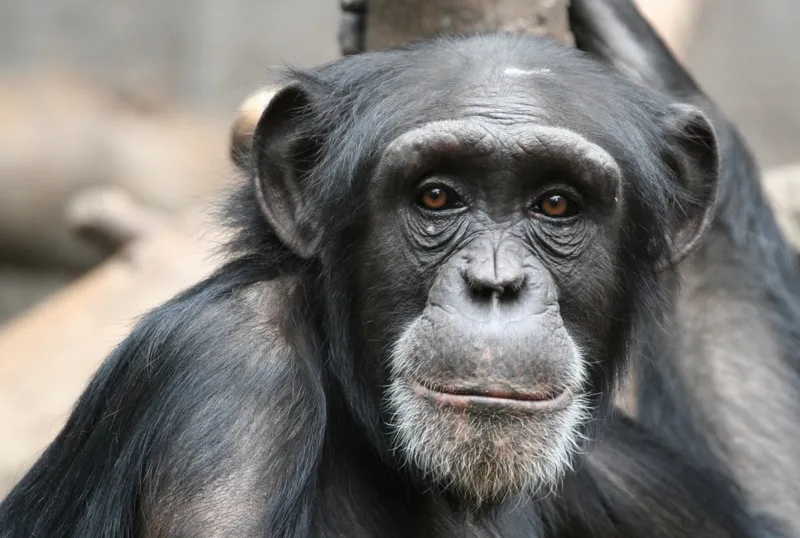
HIV, the virus that causes AIDS, has been traced to a type of chimpanzee in Central Africa, according to the CDC. The chimp version of this disease (simian immunodeficiency virus, or SIV) was likely passed to humans when they hunted these animals for meat, getting exposed to their infected blood. Once they were exposed, the virus mutated into HIV. Studies suggest the virus may have jumped to humans as far back as the 1800s, the CDC reports.
HIV destroys the immune system, opening the door to a host of deadly infections or cancers. For example, Tuberculosis (TB) kills nearly a quarter of a million people living with HIV each year.
In 2018, 770, 000 people died from causes related to HIV, and 1.7 million people were infected with the virus that year. At the end of 2018, 37.9 million people were living with HIV, according to the WHO. Two-thirds of HIV infections are in certain countries in Africa.
HIV can be spread between people through an exchange of bodily fluids (from an infected person), including blood, breast milk, semen and vaginal secretions. Mothers can pass the virus to their newborns during delivery as well, the WHO says.
Mind control

The bizarre parasite Toxoplasma gondii may infect the brains of about 2 billion people worldwide, including about 40 million Americans. Some studies have suggested the parasite may contribute to schizophrenia.
However, its primary hosts are house cats, in which the microbe reproduces sexually inside the feline's gut. Cats left to roam are more prone to picking it up. You can get it from cat feces. The bug is also found in many other mammals, too (where it reproduces asexually). The parasite eggs then get carried inside a cat's feces, where humans can pick them up when infected poop gets aerosolized (as it would during litter-scooping).
Once T. gondii enters its human host, it hides out in body areas lacking immune defense, and these include the brain, heart and skeletal muscle tissue, Live Science previously reported. Once cozy in one of those areas, the encapsulated eggs transform into an active form of the parasite called a tachyzoite, which can multiply and spread.
T. gondii is sometimes called a "mind control" parasite because rodents infected with it seem to forget their fear of cats and in turn be drawn to the smell of cat urine. That makes them easy prey for cats and an easy route of transmission for T. gondii.
Most humans infected with the parasite will have no noticeable symptoms, according to the CDC. In about 10% to 20% of cases, mild symptoms show up and these include flu-like aches and swollen lymph nodes that can last for weeks to months. Severe reactions are rare but can cause serious problems, from vision loss to brain damage.
Cysticercosis

People can get cysticercosis after swallowing water or food containing the eggs of the parasitic tapeworm called Taenia solium. These larvae then creep into muscle and brain tissues, where they form cysts. Humans can also pick up the parasite if they eat raw or undercooked pork containing these cysts, which then attach to the lining of the small intestine; over about two months, those cysts develop into adult tapeworms.
The most dangerous form of the disease occurs when the cysts enter the brain, called neurocysticercosis. Symptoms can include headaches, seizures, confusion, brain swelling, difficulty balancing and even stroke and death, according to the CDC. About 1,000 cases are reported in the U.S. each year, according to the National Organization for Rare Disorders.
Ebola

Ebola virus disease, which is caused by one of five strains of the Ebola virus, is a widespread threat to gorillas and chimps in Central Africa. The disease may have spread to humans from infected bats or infected non-human primates, the CDC says. It was first identified in 1976 near the Ebola River in what is now called the Democratic Republic of the Congo. People can catch four strains of the virus through contact with infected blood or bodily fluids from an animal carrying the virus. That person can then spread the virus to others through close contact.
The awful symptoms include: sudden onset of fever, intense weakness, muscle pain, headache and sore throat, often followed by vomiting, diarrhea, rash, impaired kidney and liver function, and in some cases, both internal and external bleeding.
The average fatality rate for this virus is 50% though it has varied from 25% to 90% in different situations, the WHO reports.
Lyme disease

Nobody likes to find a tick head-first on their body, lapping up a juicy blood meal. But even worse than the ick factor is the disease that some ticks carry and can transmit during their gorging. Black-legged ticks can transmit bacteria that cause Lyme disease to humans. The disease is typically caused by Borrelia burgdorferi, though sometimes another Borrelia species, called B. mayonii is the culprit, according to the CDC.
Symptoms typically include fever, headache, tiredness and a distinct ring-like skin rash called erythema migrans. If Lyme's is left untreated, it can spread to a person's joints, t heir heart and even their nervous system, the CDC notes. But when caught early enough, a few weeks of antibiotics can successfully get rid of the bacteria, the CDC says.
Every year, about 30,000 cases of Lyme disease are reported from state health departments to the CDC. Using other methods, the CDC estimates about 300,000 people in the U.S. may get the disease every year.
Humans infect chimps and gorillas

Humans can deliver pathogens to our animal brethren as well. For instance, scientists have speculated that chimps at Gombe Stream National Park in Tanzania contracted polio from humans, according to Fabian Leendertz, a wildlife epidemiologist at the Robert Koch-Institute and Max Planck Institute for Evolutionary Anthropology in Germany.
Gorillas and chimpanzees in West Africa have been killed by outbreaks of anthrax (caused by the bacterium Bacillus anthracis), which might have originated from cattle herded by humans, although Leendertz said these events may have been caused by anthrax existing naturally in the forests.
In 2009, exposure to humans may have led to an outbreak of the respiratory disease human metapneumovirus infection in captive chimpanzees at Lincoln Park Zoo in Chicago. A 9-year-old male chimp named Kipper died from the infection, the Chicago Tribune reported at the time.
Editor's Note: This article was first published in 2011 by Rob Britt and updated with additional information and diseases in 2020.
