













Penguins in Peril, Research Shows

Penguins are on the verge of a precipitous decline, one conservation group warns.
A combination of changing weather patterns, overfishing, pollution, and other factors have conspired against the aquatic, flightless birds , according to a long-running study conducted by the Bronx Zoo-based Wildlife Conservation Society.
The study's findings were presented today by University of Washington professor and WCS scientific fellow Dr. P. Dee Boersma at the American Association for the Advancement of Science annual meeting in Chicago.
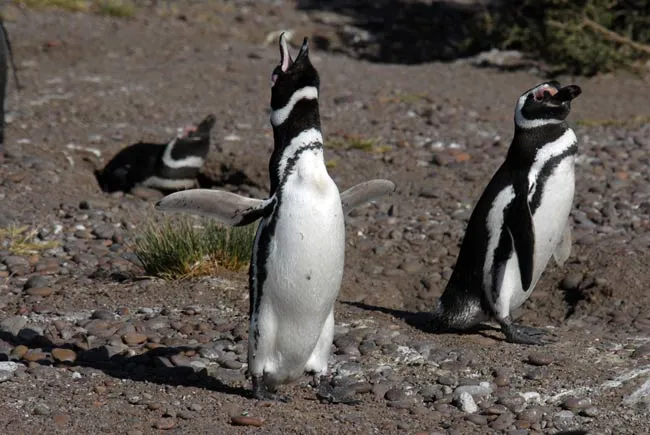
Boersma, director of the Wildlife Conservation Society's Penguin Project, has recently published two papers documenting some of the serious challenges faced by Magellanic penguins at a colony she has studied for more than 25 years at Punta Tombo, a wildlife reserve some 1,000 miles south of Buenos Aires, Argentina. The papers appeared in the February issues of the journals Marine Ecology Progress Series, and Ecological Monographs.
Boersma’s data reveal that penguins at Punta Tombo are traveling farther to find food than they did just a decade ago due to changing ocean conditions and overfishing—particularly of anchovies, a favorite penguin food.
This has forced some penguins to attempt to nest outside of protected areas where they often fall prey to predators.
Meanwhile, changing weather patterns have also led to increased instances of heavy rains, which have caused high mortality of penguin chicks in five of the last 25 years.
Get the world’s most fascinating discoveries delivered straight to your inbox.
All told, penguin numbers at Punta Tombo have declined by more than 20 percent in the last 22 years, from 300,000 to just 200,000 breeding pairs, Boersma said.
"Penguins are having trouble with food on their wintering grounds and if that happens they're not going to come back to their breeding grounds," she said. "If we continue to fish down the food chain and take smaller and smaller fish like anchovies, there won't be anything left for penguins and other wildlife that depend on these small fish for food."
Of the world’s 17 species of penguins 12 are rapidly declining Boersma added.
- Video – Living With Penguins
- Penguin Images, News and Information
- Why Don't Penguin Feet Freeze on Ice?
