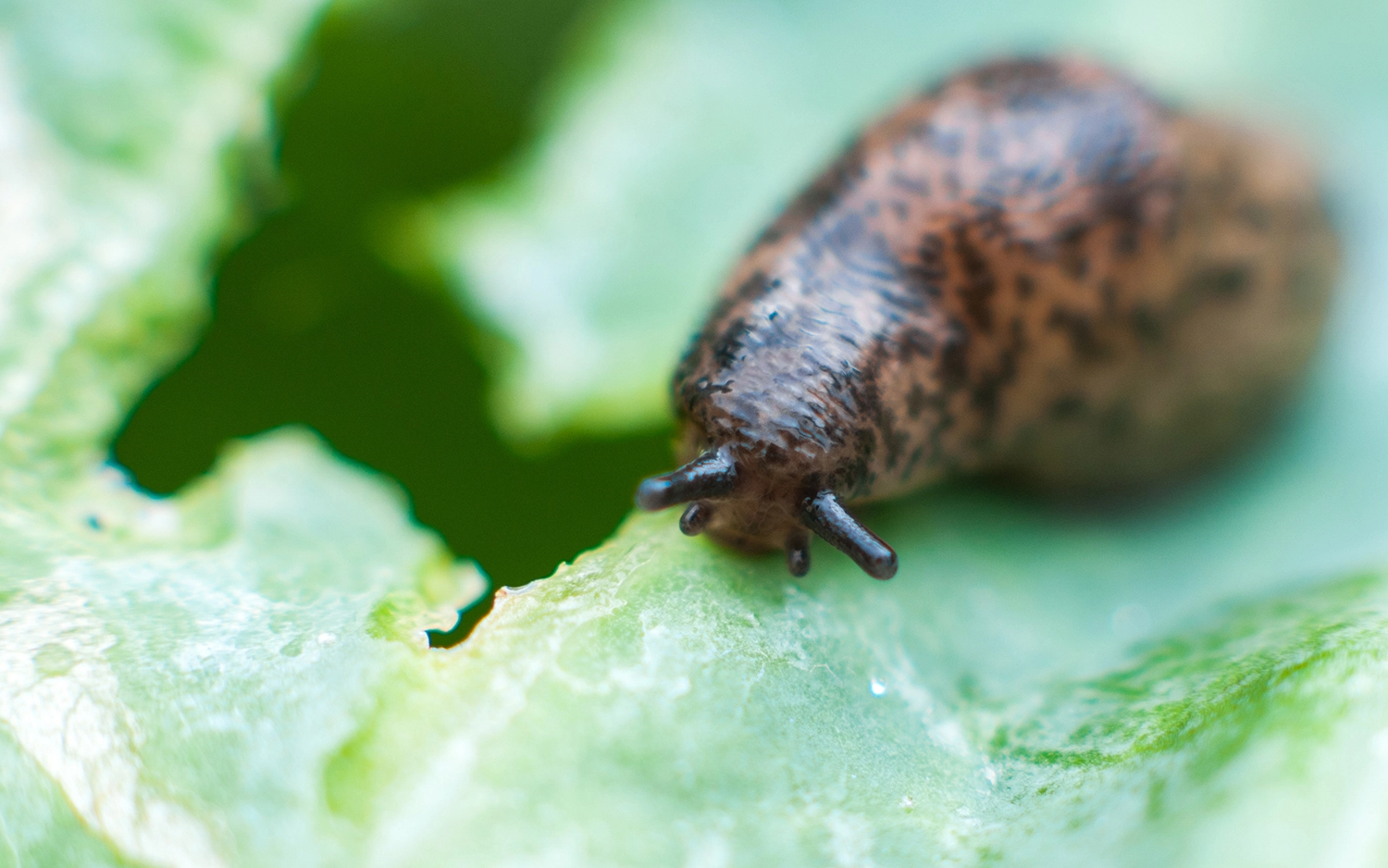
In 2010, a teenage rugby player in Australia named Sam Ballard accepted an unusual dare at a party: swallow a live garden slug. The experience left him paralyzed and with significant brain damage, and on Friday (Nov. 2), Ballard died in a Sydney hospital at the age of 28.
The strange and sad case occurred because, along with the slug, Ballard had swallowed a parasite called Angiostrongylus cantonensis, commonly known as rat lungworm, which the slug likely picked up from rat droppings, according to the U.K.'s EveningStandard.
Rat lungworm infection can lead to bacterial meningitis, which may include symptoms such as headaches, nausea, vomiting, and "abnormal sensations" in the arms and legs, according to the Centers for Disease Control and Prevention (CDC). Typically, rat lungworm infections get better without treatment. But in some cases, serious complications can occur and cause severe disruption of the nervous system or even death, the CDC says. [8 Awful Parasite Infections That Will Make Your Skin Crawl]
Latest Videos From
In the days after swallowing the slug, Ballard developed pains in his legs and was hospitalized after spells of persistent dizziness and vomiting. Doctors diagnosed him with a rat lungworm infection, and he fell into a coma that lasted 420 days, Live Science previously reported.
After Ballard emerged from the coma, he was paralyzed from the neck down, had difficulty communicating and required 'round-the-clock care, according to the Independent.
Ballard's story made headlines earlier this year after medical funding used for his care and provided by the Australian government's National Disability Insurance Scheme was reduced by half; the government eventually reversed the decision following extensive media coverage and an appeal by Ballard's family, News.com reported.
People can avoid exposure to the rat lungworm parasite by avoiding eating raw or undercooked slugs and snails, frogs, land crabs, and freshwater shrimp, according to the CDC. Vegetables that may have come in contact with slugs or snails should be washed before being eaten raw, and people preparing raw slugs or snails should thoroughly clean their hands and utensils afterward, the CDC says.
Originally published on Live Science.

 Live Science Plus