













Identical Twins Not So Identical

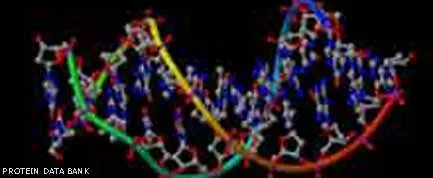
Identical twins are not quite as identical as once thought, according to a new study of DNA.
Life, it seems, changes everyone in unique ways.
One twin might get cancer while the the other is not susceptible, for example. Many identical twins clearly behave differently as they grow older, and some even grow to look less alike.
Such differences have to do not with the twins' identical DNA, which is the software of life, but in how genes express themselves, the research found. The differences stem from chemical modifications in the genes over the years.
These epigenetic effects, as they are called, are the result of chemical exposure, dietary habits and other environmental factors, the scientists believe.
The study is detailed in this week's Proceedings of the National Academy of Sciences.
Further investigation into the process might shed light on how cancers develop, said Ohio State University researcher Christoph Plass, a co-author of the report.
Get the world’s most fascinating discoveries delivered straight to your inbox.
The idea that twins grow apart is not new.
In 2001, scientists documented that identical twins with different diets had corresponding differences in blood cholesterol measures. A study in 2002 found that identical twins tend to differ greatly in their levels of emotional distress, depending on how close each was to their mother or whether they attended church, among other social factors.
Research last year at Duke University found that identical twins both develop Alzheimer's by their late 70s only about 40 percent of the time. In many cases, one does and one does not.
Other studies have shown that the brains of identical twins look different upon close inspection of the wiring.
The new research, among the first to provide a detailed look at such differences at the genetic level, was led by Manel Esteller of the Spanish National Cancer Center in Madrid. The scientists studied 40 pairs of twins in Spain, Denmark and the United Kingdom, aged three through 74. The participants were surveyed on a range of health, exercise, eating habits and other lifestyle issues. Their blood was analyzed for epigenetic differences.
The youngest set of twins had the most identical genomes. Genetically, the oldest twins were the least alike.
Gene expression and behavior is altered by a process called methylation. Scientists think a better understanding of methylation could aid cancer research.
"One would expect identical twins to develop and express genes at the same levels, but in fact this changes over time," Plass said. "We think that methylation plays a genome-wide role in these changes."

Robert is an independent health and science journalist and writer based in Phoenix, Arizona. He is a former editor-in-chief of Live Science with over 20 years of experience as a reporter and editor. He has worked on websites such as Space.com and Tom's Guide, and is a contributor on Medium, covering how we age and how to optimize the mind and body through time. He has a journalism degree from Humboldt State University in California.