













Snake Venom Changes with Age, Location

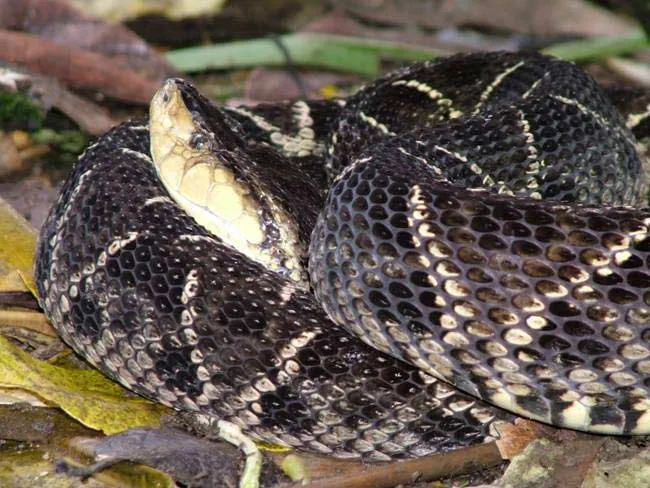
Like people with an accent, snakes from different regions pack different venom. A new study finds that antivenoms, the drugs created to combat snake bites in humans, need to take these chemical differences into account.
Scientists have known for many decades that venom of snakes of the same species can vary geographically, causing snakebite victims to suffer different symptoms. Yet while these differences in symptoms had been studied, little research has been done on the chemical differences in venom within any given species.
The new study compares the protein chemistry of the deadly lancehead pitviper (Bothrops asper) from two geographically isolated populations from the Caribbean and Pacific regions of Costa Rica. The researchers also analyzed venom from adult and newborn snakes.
The researchers "found major differences in the venoms collected from the two regions," they report in the August issue of the Journal of Proteome Research.
They also found distinct differences in proteins of venom collected from newborns and adult snakes, "indicating that the requirement for the venom to immobilize prey and initiate digestion may change with the size (age) of the snake."
Snake-bite antivenoms (sometimes called antivenins) are often expensive, available only at select hospitals, and don't always work.
The study, funded by the University of Costa Rica and the Spanish Ministry of Education, suggests that venom should be mixed with geographical and age distribution of the snakes in mind when creating antivenin, the authors conclude.
Get the world’s most fascinating discoveries delivered straight to your inbox.
- Top 10 Deadliest Animals
- How Do Snakes Swallow Large Animals?
- Can Snakes Smell, Hear, See?
