













The 10 Most Popular Dog Breeds
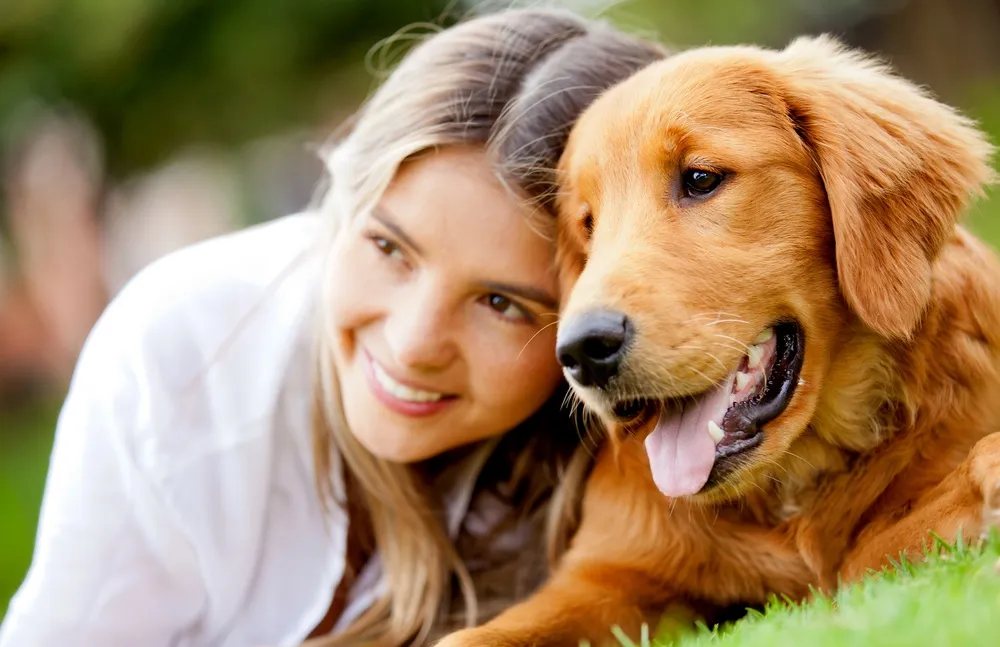
Furry Pals
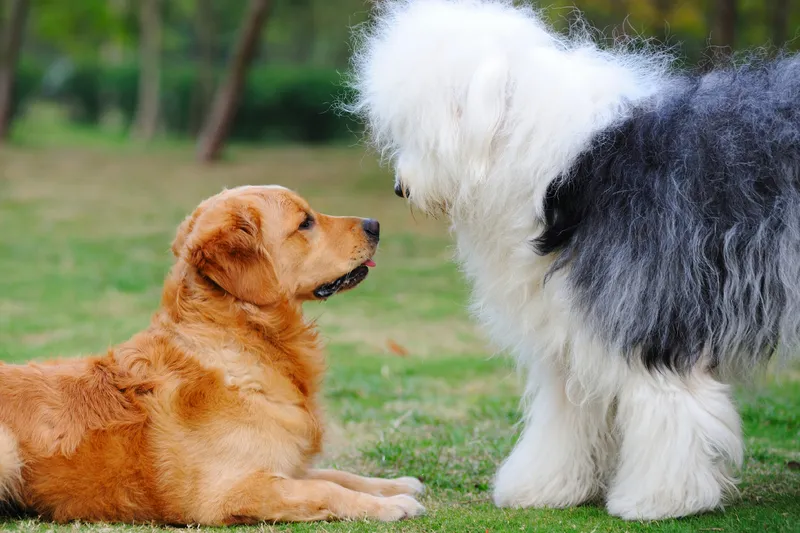
From pups that fit in purses to those that seem fit for a stable, dog breeds run the gamut of size, shape, temperament and overall look. But they have one thing in common: All dog breeds can trace their heritage back to the gray wolf, though scientists are less sure where today's Fidos originated. Gradually as humans selected for traits they found useful, or just downright cute, in their dogs — herding ability, particular temperament, fishing acumen — the canines diversified.
Every year, the American Kennel Club (AKC) announces their list of the most popular breeds. Here are the AKC's Top 10 most popular dog breeds from 2015.
Boxers

Known for standing up on its hind legs to duke it out with an opponent, this dog breed can appear to box with its front paws. In fact, when developed in Germany in the 19th century, boxers were used for dog fighting as well as to restrain large game like wild boar until a hunter arrived, according to the AKC.
Officially recognized by the AKC in 1904, the boxer breed has been pushed down a couple spots, eking out the No. 10 on the most popular breeds list in 2015. (In 2014, the blunt-nosed doggie snagged No. 8 and the year before that No. 7.) The medium-sized dog has an active, fun-loving and bright personality, according to the AKC.
The boxer has the honor of getting its genome sequenced. By looking at the boxer's genome as well as those of other modern dogs and wolves, scientists found that dogs are more closely related to each other than they are to wolves, regardless of geographic origin. That study, detailed online Jan. 16, 2014 in the journal PLOS Genetics, revealed that dogs and wolves shared a common ancestor between 9,000 and 34,000 years ago.
Click Next to find out #9 on the list. This one once herded cattle.
Rottweiler

Descended from Roman drover dogs, the Rottweiler (the ninth most popular dog in the U.S. in 2015) likes to move. According to the AKC, Rotties should be exercised at least twice a day. Though the powerful dog can be reserved with strangers, it is also considered an affectionate pet and devoted companion. Even so, because of their muscular build and size — 24 to 27 inches (60 to 69 centimeters) at the shoulder, and weighing 95 to 125 pounds (43 to 57 kilograms) — owners must be careful having Rottweilers around small children, according to the American Rottweiler Club. Apparenty, the dog's "bumping" behaviors can knock kids over: "This bumping is a natural behavior of the Rottweiler, a legacy from the days when the breed was used to herd cattle. Rottweilers will bump and herd children or elderly family members," reads the ownership manual put out by the Club.
Get the world’s most fascinating discoveries delivered straight to your inbox.
Read on to find out what curly-haired dog also made the top-10 list.
Poodles

That's right, poodles, known for their 'dos, snagged the eighth spot on the AKC's popular dog breed list. Though its airy curls may have you believe differently, the poodle is not a fluffy toy, and rather the breed sports major smarts and excels in obedience training.
The breed comes in three size variations: The standard variety, the oldest of the three, is the only one to have its genome sequenced, a feat reported in 2003; the miniature may have been used to sniff out truffles — an edible fungus considered a delicacy; and the toy poodle, which was often used in performances and kept as a pampered pet. For instance, during the reign of Louis XVI in France, toy poodles were all the rage.
Though poodles come in a variety of coat colors — including white, black, apricot and gray — research published in 2007 in the journal Science revealed that all poodle coats and those of nine other breeds arise from the same gene called beta-defensin that encodes black and yellow coat color. And all colors in between are just modifications of yellow and black, the researchers said.
The next dog on the list can add "tomboyish" to its personality traits, according to the AKC. Find out what breed it is …
Yorkshire Terriers

Described as sprightly, tomboyish and affectionate by the AKC, the Yorkshire terrier was first recognized by the Club in 1885. "The dog's high head carriage and confident manner should give the appearance of vigor and self-importance," according to the AKC. Yorkies, as they are affectionately called, are part of the toy group (a category that also includes the Chihuahua), and weigh between 4 and 7 pounds (1.8 and 3.2 kg). Named for the city in England where they originated, Yorkshire terriers were used to catch rats in clothing mills in the 19th century. Though this portable pooch is now an accessory of the rich and famous, the breed once belonged to the working class, particularly weavers, according to the AKC.
Read on to find out what dog is even more popular than the Yorkie. This dog is known for its batty ears.
French bulldog
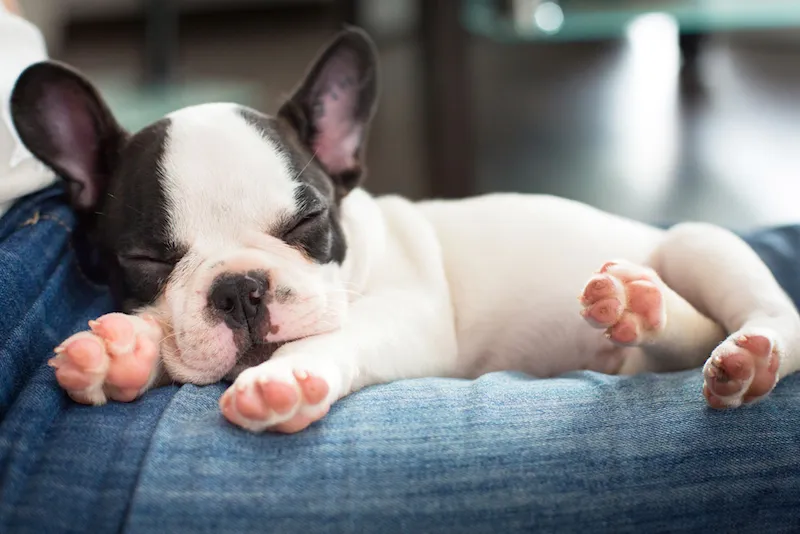
If you're looking for a small dog with a cute face to sit on the couch with, the French bulldog may be a good pick. The sixth most popular dog breed in the U.S., Frenchies are not overly active, and a brisk walk should keep them fit and content, according to the AKC. The French bulldog, which has a square head, wideset eyes and bat ears, is well-behaved with an affectionate disposition, according to the AKC.
The first-known case of sex reversal in this breed was reported in 2011, when a 3-month-old female named Tana was found to have testicles. Though Tana's sex chromosomes placed her in the female gender category, she had masculine gonads, called cryptorchid testicles.
We're just about halfway to the top dog. No. 5 on the list has quite a nose. Find out by clicking "Next."
Beagles

Perhaps the best-known individual of this breed, Snoopy may not give a true picture of beagles. While they aren't human-like (and don't confuse themselves with humans), the breed's hunting acumen and cheery temperament have made the beagle one of the most popular breeds in the United States, according to the AKC.
There's no reliable documentation of the origin of the beagle breed, though the dog we know and love today is the result of a well-bred strain from England that was imported to the U.S. in the 1860s. This scent hound, used primarily for hunting rabbits and hares, has a sassy side. According to the AKC, "Beagles will make you laugh, but they are a challenge to train. They do have a naughty streak and can be difficult even for the most experienced of dog people." At their best, beagles are "temporarily obedient," according to the AKC.
Fun fact: President Lyndon B. Johnson owned three beagles named "Him," "Her" and "Edgar."
Can you guess what dog breed is next? This one has a mug that's so ugly it's cute.
Bulldogs
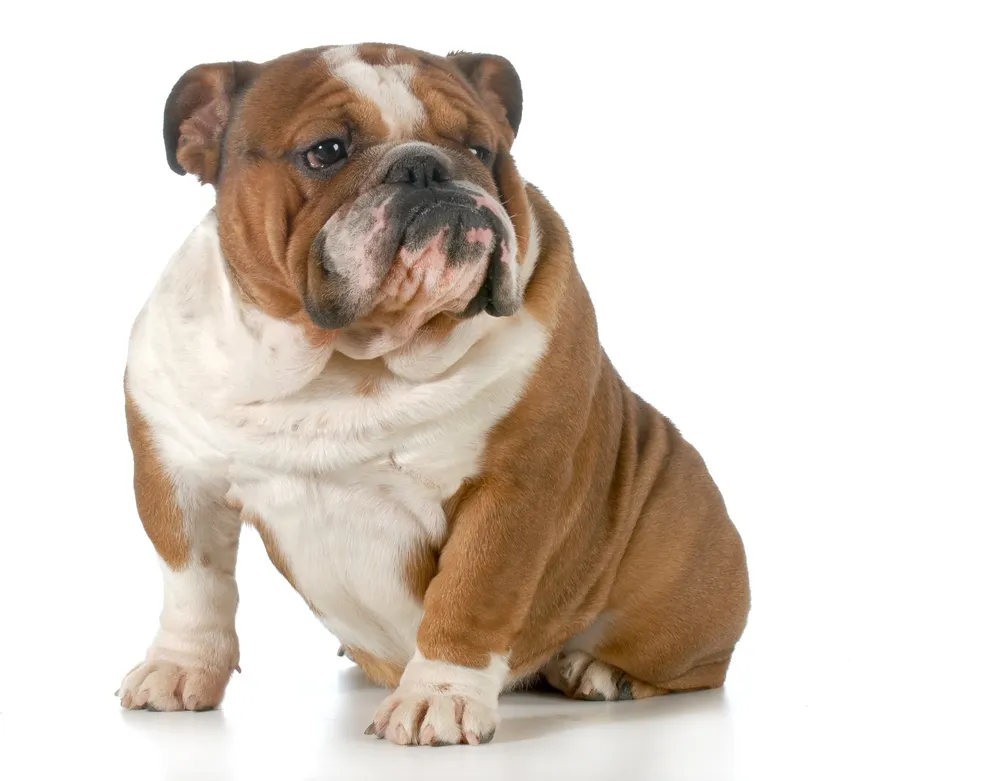
This dog owes its popularity to its lovable nature and adorable appearance – who can resist the squashed, wrinkly face? Their flattened noses, however, make them susceptible to overheating in warm weather, since rather than sweating dogs cool off by panting or breathing in and out. With a shorter snout there's less surface area over which heat exchange can take place.
Though extremely affectionate now, the bulldog gets its name due to its connection with bull baiting in the British Isles. As a result of occupational hazards, the first bulldogs had to be ferocious and nearly insensitive to pain, according to the AKC. Once bull baiting became illegal in England in 1835, dog fanciers decided to get rid of the bulldog's "bite." Within just a few generations, the bulldog became the epitome of sweetness.
Up next? Another docile furball. (Hint: This one could be a good fishing buddy)
Golden Retrievers

This intelligent dog was bred into existence by Lord Tweedmouth, who wanted a skilled retriever that was suited to the Scottish climate, terrain and available game, according to the AKC. So he crossed his "Yellow retriever" with the now extinct Tweed Water Spaniel. Later crosses of Irish setter, bloodhound and other Tweed Water spaniels produced the golden retriever of today. The dog's hard-working mindset not only makes the breed a superb hunter but also an ideal guide, search-and-rescue and assistance dog.
Can you guess which dog takes the No. 2 spot in Americans' hearts? (Hint: It's another super-friendly canine.)
German Shepherds
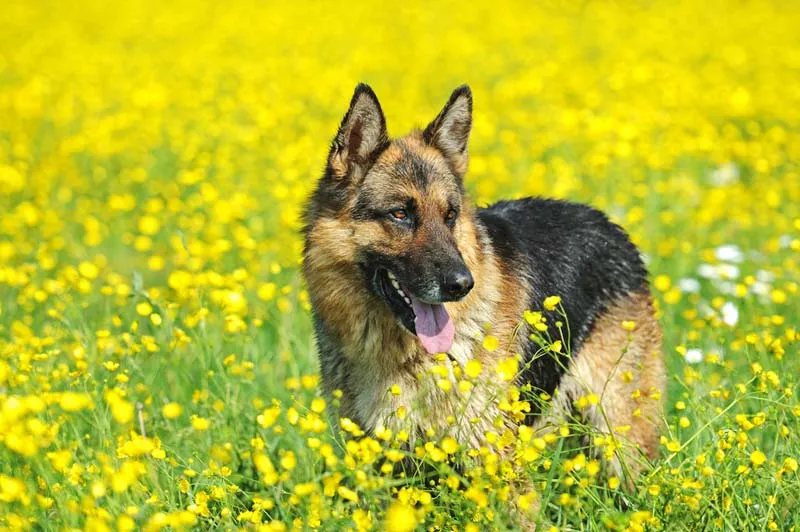
Another top-rung doggie, the German Shepherd has come in as Americans' second favorite dog breed for the past three years. And if you're looking for loyalty — and some exercise — this breed may be the dog for you. Perhaps more than man's best friend, the German Shepherd is "one man's best friend," a trait that along with its high trainability has earned the breed top spot in the hearts of many a police officer or anyone wanting a guard dog.
Originating in 1899 in Karlsruhe, Germany, the German Shepherd was bred from a mix of herding and farm dogs, according to the AKC. It made its doggie debut in the United States in 1907.
America's four-legged sweetheart is ... Read on.
Labrador Retrievers
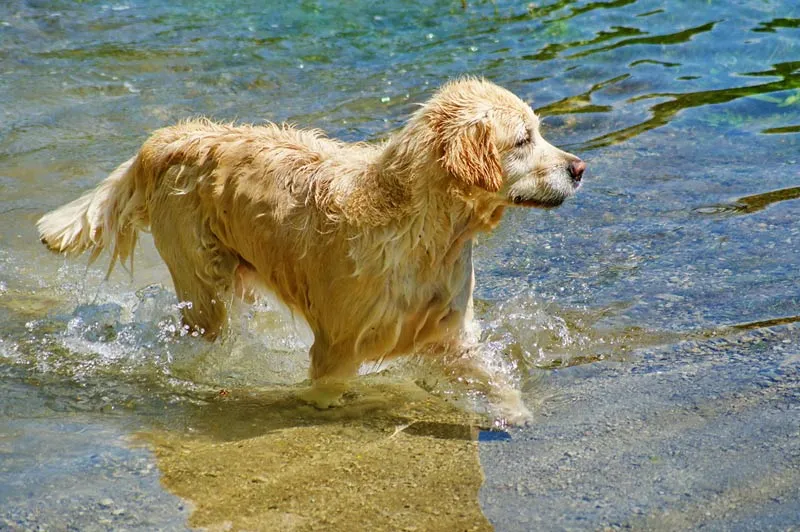
If you're looking for a dog that gets along with others, a Labrador retriever, or Lab, may be right for you … and you wouldn't be alone. For several years the adorably fun-loving pup has garnered No. 1 spot as America's most popular dog breed. Officially recognized by the AKC in 1917, Labs are originally from Newfoundland where they worked alongside fishermen to help pull nets and catch fish that escaped from fishing lines, according to the AKC. The breed didn't get its superb retriever skills until it was crossed with setters, spaniels and other retrievers. Since then Labrador retrievers, which come in yellow, black and chocolate coat colors, have been bred as skilled retrievers of game.
Even so, the breed is vulnerable to exercise-induced collapse (EIC), in which affected Labradors lose control of their hind limbs after intense hunting or retrieving. A study published in 2008 in the journal Nature Genetics revealed the wobbly legs are linked to the dynamin 1 gene. The study researchers found some 30 percent of Labrador retrievers carry the mutant gene though they may not show symptoms since they don't carry two copies of the dynamin 1 variant. The scientists developed a genetic test to determine whether a dog is carrying a copy of the mutant gene to help breeders avoid pairing up two carriers.
Jeanna Bryner is managing editor of Scientific American. Previously she was editor in chief of Live Science and, prior to that, an editor at Scholastic's Science World magazine. Bryner has an English degree from Salisbury University, a master's degree in biogeochemistry and environmental sciences from the University of Maryland and a graduate science journalism degree from New York University. She has worked as a biologist in Florida, where she monitored wetlands and did field surveys for endangered species, including the gorgeous Florida Scrub Jay. She also received an ocean sciences journalism fellowship from the Woods Hole Oceanographic Institution. She is a firm believer that science is for everyone and that just about everything can be viewed through the lens of science.