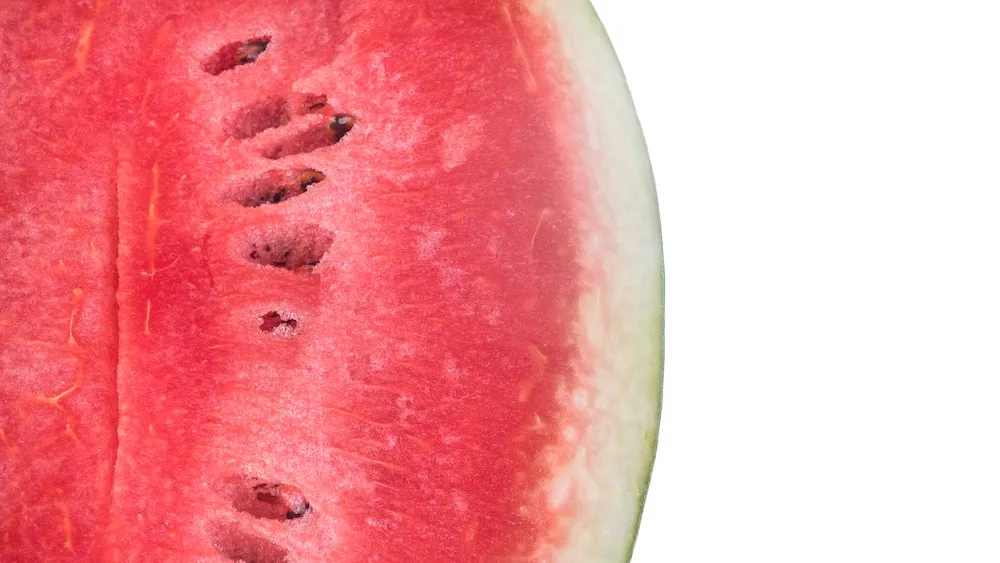
Scientists have sequenced the oldest plant genome on record, and it comes from watermelon seeds chomped on by Stone Age sheep herders in the Sahara, a new study finds.
The 6,000-year-old watermelon seeds resurfaced in the 1990s during an archaeological dig of the cave site, known as Uan Muhuggiag, located along a swath of the Sahara that is now Libya. Due to the cave's dry, salty air, the seeds, which may have fallen to the ground during a meal, were well preserved, enabling scientists from the Royal Botanic Gardens, Kew, in the United Kingdom, to sequence their DNA, according to a study published July 30 in the journal Molecular Biology and Evolution.
Examination of the genome also showed that the seeds were those of a wild watermelon, one of Africa's oldest crops, and probably contained a "sickeningly bitter pulp." The discovery is important because it offers information about the domestication of the watermelon (Citrullus lanatus), which translates "to eat something sweet," that we enjoy today. It also offers insight into ancient people's diets and lifestyles, according to Smithsonian Magazine.
Latest Videos From
Related: Where did watermelons come from?
As part of the study, researchers also sequenced the genomes of dozens of watermelon species that are part of Kew Garden's extensive collections. The scientists discovered that the herders either intentionally collected or cultivated this bitter-fleshed watermelon, a finding that's consistent with teeth marks found on some of the oldest seeds collected in Sudan, according to the study.
In a separate study, researchers identified the genetic mutations that gave ancient watermelon its bitter compounds, along with today’s recognizable bright-red flesh. However, it's unknown at what point in history that watermelon began resembling the fruit found in modern-day grocery stores.
Which begs the question, why would anyone want to eat the seeds from such a bitter fruit?
"The seed is high in edible fats, and it's storable and transportable," Dorian Fuller, an archaeologist and botanist at University College London, who was not involved in the new study, told Smithsonian Magazine. "We often think of watermelon seeds or pumpkin seeds as snacks, but there's no reason why in some cases they might be cultivated in part primarily for the seed."

 Live Science Plus