








-
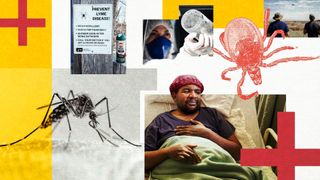 Science SpotlightInfectious diseases will seed new ground as the planet warms — here's where they'll spread
Climate change will increase our exposure to myriad infections, from tick-borne diseases to drug-resistant bacterial infections.
-
-
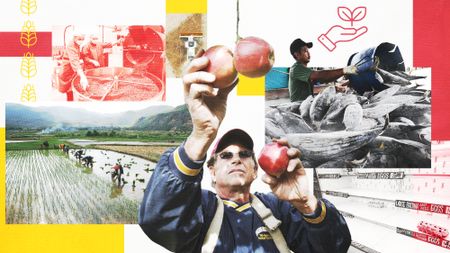 Science Spotlight'The apple you eat isn't the apple your granddaughter will eat': What's on the menu in a warming world?
Almost every aspect of our food system will be transformed by climate change.
-
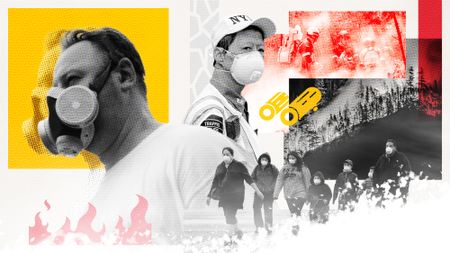 Science Spotlight'Wildfire smoke is the fastest-growing environmental threat in the US': How a warming world will poison the air we breathe
Wildfires are projected to increase dramatically due to climate change. That could trigger a massive increase in heart attacks, premature births and early deaths, research reveals.
-
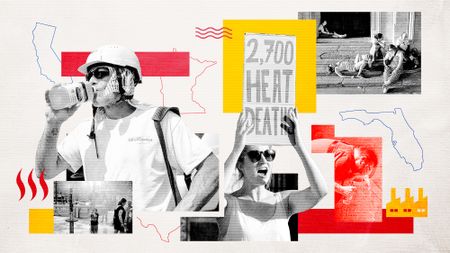 Science SpotlightClimate change will triple the number of days over 105 F in the US. The health impacts will be dire.
Extreme heat will become more common as the climate continues to warm. That will affect almost every facet of our health.
-
 Science spotlightWhat the US could learn from Japan's incentive for responsible antibiotic use
The Japanese government incentivizes doctors to avoid prescribing antibiotics for certain ailments, but would the same approach work in the U.S.?
-


-
-
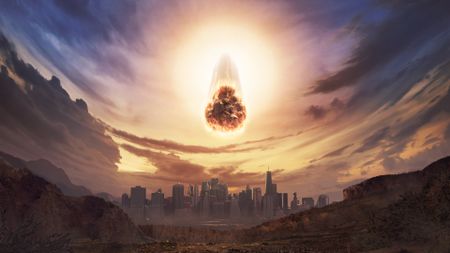 Features'Planet killer' asteroids are hiding in the sun's glare. Can we stop them in time?
In the glare of the sun, an unknown number of near-Earth asteroids move on unseen orbits. A new generation of space telescopes could be our best defense against potential disaster.
-
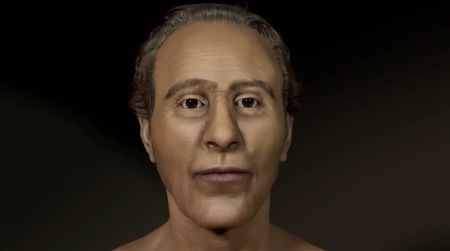 FeaturesFacial reconstructions help the past come alive. But are they accurate?
DNA analysis is changing the science of facial reconstructions and making them more lifelike than ever before.
-
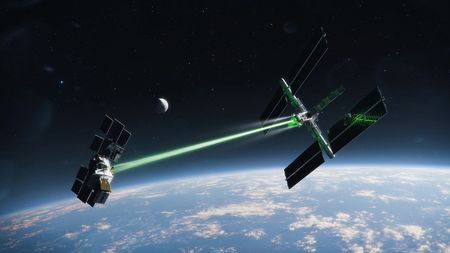 FeaturesSci-fi inspired tractor beams are real, and could solve a major space junk problem
Researchers are developing a real-life tractor beam, with the goal of pulling defunct satellites out of geostationary orbit to alleviate the space junk problem.
-
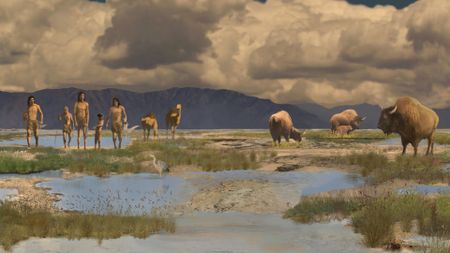 FeaturesThe 1st Americans were not who we thought they were
For decades, we thought the first humans to arrive in the Americas came across the Bering Land Bridge 13,000 years ago. New evidence is changing that picture.
-
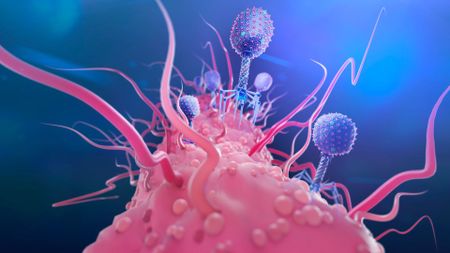 FeaturesDangerous 'superbugs' are a growing threat, and antibiotics can't stop their rise. What can?
Traditional antibiotics drive bacteria toward drug resistance, so scientists are looking to viruses, CRISPR, designer molecules and protein swords for better treatments.
-
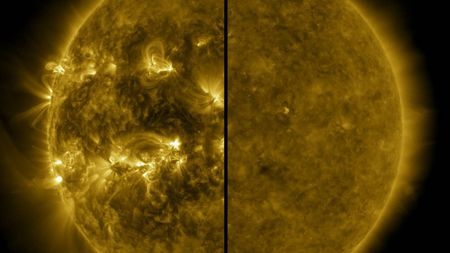 The SunSolar maximum could hit us harder and sooner than we thought. How dangerous will the sun's chaotic peak be?
The sun is quickly approaching a major peak in solar activity. Experts warn it could potentially begin by the end of 2023, years before initial predictions suggested.
-


