








-
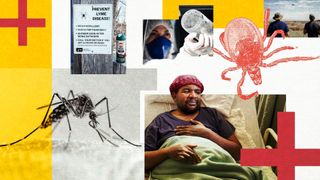 Science SpotlightInfectious diseases will seed new ground as the planet warms — here's where they'll spread
Climate change will increase our exposure to myriad infections, from tick-borne diseases to drug-resistant bacterial infections.
-
-
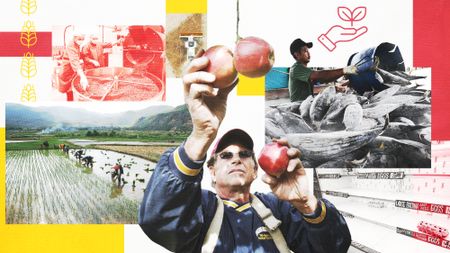 Science Spotlight'The apple you eat isn't the apple your granddaughter will eat': What's on the menu in a warming world?
Almost every aspect of our food system will be transformed by climate change.
-
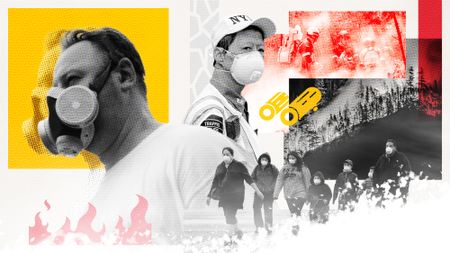 Science Spotlight'Wildfire smoke is the fastest-growing environmental threat in the US': How a warming world will poison the air we breathe
Wildfires are projected to increase dramatically due to climate change. That could trigger a massive increase in heart attacks, premature births and early deaths, research reveals.
-
 Science SpotlightClimate change will triple the number of days over 105 F in the US. The health impacts will be dire.
Extreme heat will become more common as the climate continues to warm. That will affect almost every facet of our health.
-
 Science spotlightWhat the US could learn from Japan's incentive for responsible antibiotic use
The Japanese government incentivizes doctors to avoid prescribing antibiotics for certain ailments, but would the same approach work in the U.S.?
-


-
-
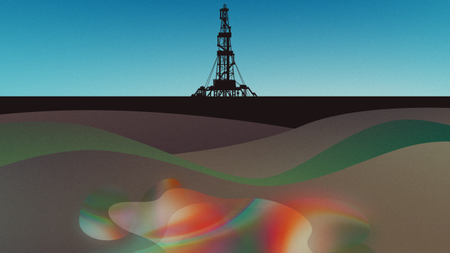 GeologyEarth's crust hides enough 'gold' hydrogen to power the world for tens of thousands of years, emerging research suggests
Reservoirs of hydrogen gas that form naturally in Earth's crust could help humans decarbonize. The challenge now is finding these accumulations and working out how best to mine them, experts say.
20 Comments -
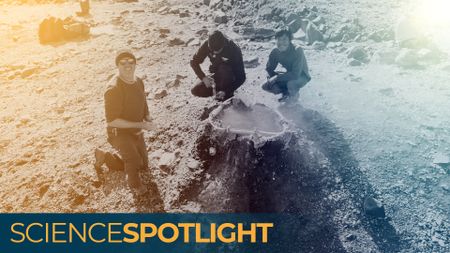 GeologyA huge helium shortage is looming — but ancient rocks in Earth's crust may be hiding massive reservoirs
For decades, helium has been produced with natural gas, generating huge carbon emissions. Now, geologists are looking for new helium sources — and finding enormous "carbon-free" reservoirs that could revolutionize the industry.
6 Comments -
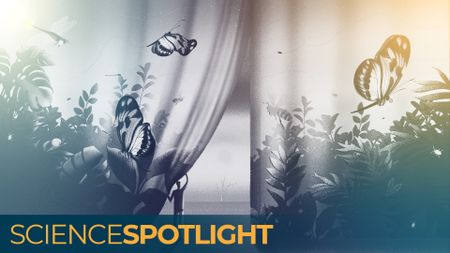 InsectsA looming 'insect apocalypse' could endanger global food supplies. Can we stop it before it's too late?
Insect populations are in steep decline, which could endanger the food supply. But there are things we can do to reverse the trend.
18 Comments -
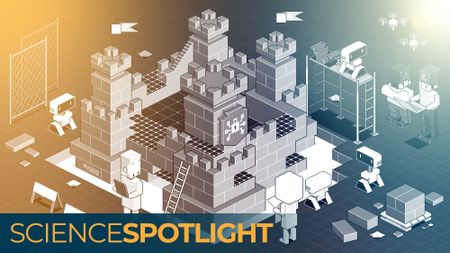 Quantum ComputingQuantum computing will make cryptography obsolete. But computer scientists are working to make them unhackable.
When quantum computers become commonplace, current cryptographic systems will become obsolete. Scientists are racing to get ahead of the problem and keep our data secure.
4 Comments -
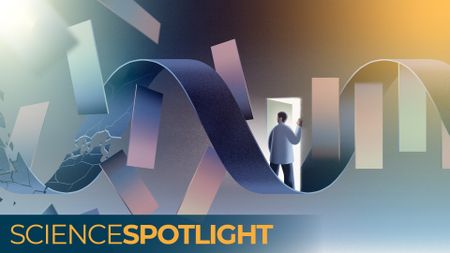 Medicine & DrugsOne molecule could usher revolutionary medicines for cancer, diabetes and genetic disease — but the US is turning its back on it
The U.S. government is divesting from mRNA vaccines, but will other uses of the technology be spared? In a time of uncertainty, scientists worry that revolutionary treatments for cancer, immune dysfunction and genetic disease may be left on the lab bench.
6 Comments -
 CancerCould simple blood tests identify cancer earlier?
Blood tests that detect early cancer are coming to market. Could they lead to earlier diagnosis and treatment?
-
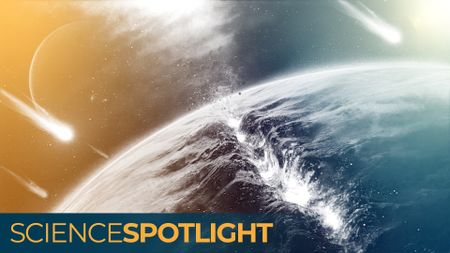 FeaturesPlate tectonics may be why Earth has life — and the key to finding life elsewhere in the universe
Emerging evidence suggests that plate tectonics, or the recycling of Earth's crust, may have begun much earlier than previously thought — and may be a big reason that our planet harbors life.
-
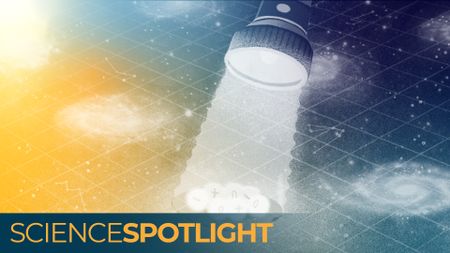 Astronomy'Like trying to see fog in the dark': How strange pulses of energy are helping scientists build the ultimate map of the universe
Astronomers are using radio pulses from space to find missing baryonic matter and learn about supermassive black holes, stellar formation and galaxy evolution.
2 Comments -
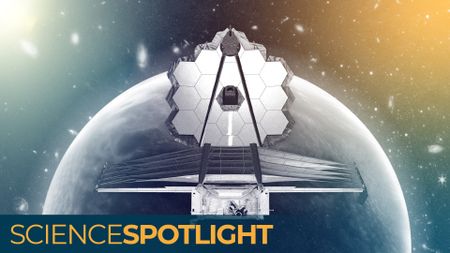 Extraterrestrial LifeWill the James Webb telescope finally lead us to alien life?
Three years into its mission, the James Webb Space Telescope has advanced the search for alien life more than any machine before it. What will it find next?
-


