








-
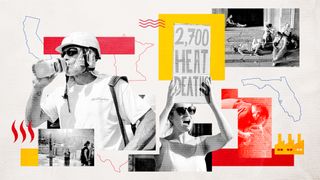 Science SpotlightClimate change will triple the number of days over 105 F in the US. The health impacts will be dire.
Extreme heat will become more common as the climate continues to warm. That will affect almost every facet of our health.
-
-
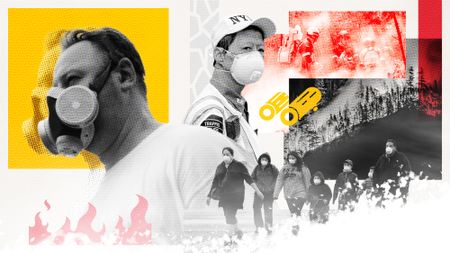 Science Spotlight'Wildfire smoke is the fastest-growing environmental threat in the US': How a warming world will poison the air we breathe
Wildfires are projected to increase dramatically due to climate change. That could trigger a massive increase in heart attacks, premature births and early deaths, research reveals.
-
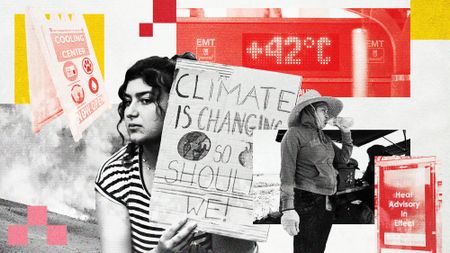 Science SpotlightClimate change will harm our health. Here's what could protect us.
The impacts of climate change on health are becoming clearer. What can we do to respond?
-
 Science SpotlightInfectious diseases will seed new ground as the planet warms — here's where they'll spread
Climate change will increase our exposure to myriad infections, from tick-borne diseases to drug-resistant bacterial infections.
-
 Science Spotlight'The apple you eat isn't the apple your granddaughter will eat': What's on the menu in a warming world?
Almost every aspect of our food system will be transformed by climate change.
-


-
-
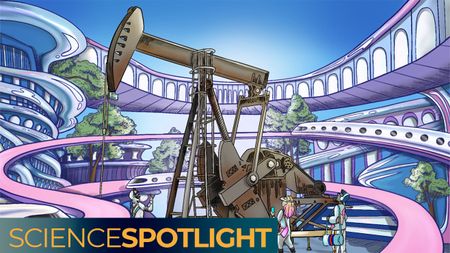 Fossil FuelsThe world is being held hostage by its reliance on oil. How can we break free from the fossil fuel?
Like whale blubber, oil as a dominant source of energy will gradually be phased out over the next decades. Here's what that transition may look like.
4 Comments -
 ArchaeologyAncient 'alien-like' skulls have been found on every continent but Antarctica. Anthropologists are starting to figure out why.
Humans have practiced head shaping for tens of thousands of years, and anthropologists are beginning to uncover clues as to why.
9 Comments -
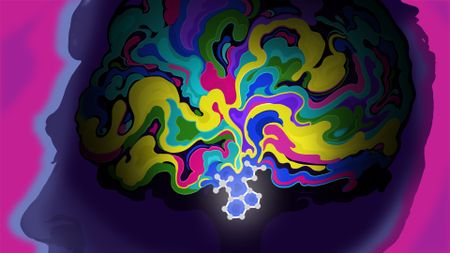 NeurosciencePsychedelics may rewire the brain to treat PTSD. Scientists are finally beginning to understand how.
New research shows MDMA and psilocybin may restore neural flexibility in people with PTSD, thereby helping the brain unlearn fear and relearn safety.
8 Comments -
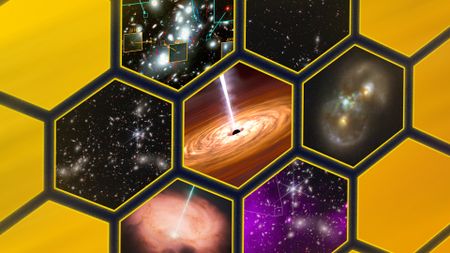 Black Holes'A real revolution': The James Webb telescope is upending our understanding of the biggest, oldest black holes in the universe
For years, the James Webb Space Telescope has been spotting enormous black holes in the early universe that defy all expectations. Now, astronomers are finally deciphering the origins of these cosmic behemoths.
-
 Neanderthals'More Neanderthal than human': How DNA from our long-lost ancestors affects our health today
Neanderthals and humans mated millennia ago, and their legacy lives on in us today. Here's how.
12 Comments -
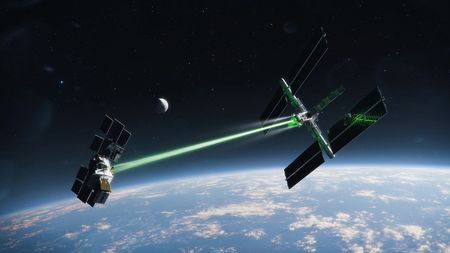 Space ExplorationTractor beams inspired by sci-fi are real, and could solve the looming space junk problem
Researchers are developing a real-life tractor beam, with the goal of pulling defunct satellites out of geostationary orbit to alleviate the space junk problem.
3 Comments -
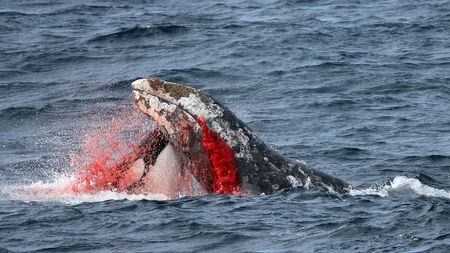 OrcasOrcas are adopting terrifying new behaviors. Are they getting smarter?
From sinking boats and feasting on shark livers to dining on whale tongue and tossing porpoises around for fun, orcas are displaying some fascinating — and sometimes terrifying — behaviors.
8 Comments -
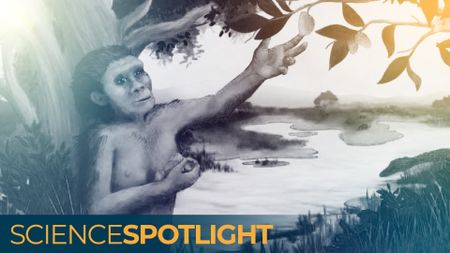 Human EvolutionWe now know much more about how our ancestor 'Lucy' lived — and died
Fifty years after a fossil skeleton of Australopithecus afarensis was unearthed in Ethiopia, we know so much more about how this iconic species lived and died.
-
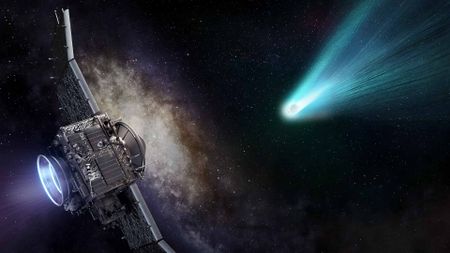 Space ExplorationInterstellar comet 3I/ATLAS is rapidly moving away from us. Can we 'intercept' it before it leaves us forever?
3I/ATLAS has passed its closest point to Earth, meaning we will soon lose sight of it for good. Some scientists want to send a spacecraft to chase down the alien comet — or the next interstellar object.
2 Comments
-


