








-
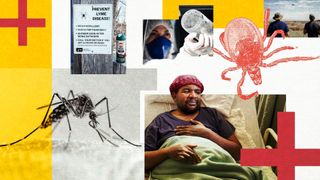 Science SpotlightInfectious diseases will seed new ground as the planet warms — here's where they'll spread
Climate change will increase our exposure to myriad infections, from tick-borne diseases to drug-resistant bacterial infections.
-
-
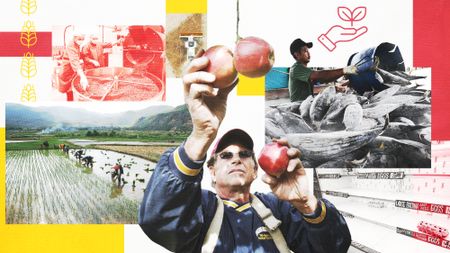 Science Spotlight'The apple you eat isn't the apple your granddaughter will eat': What's on the menu in a warming world?
Almost every aspect of our food system will be transformed by climate change.
-
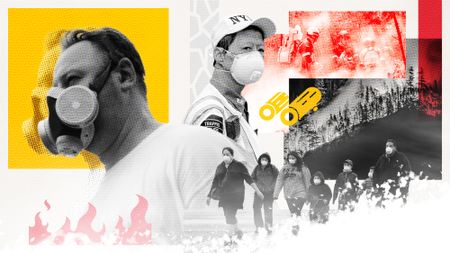 Science Spotlight'Wildfire smoke is the fastest-growing environmental threat in the US': How a warming world will poison the air we breathe
Wildfires are projected to increase dramatically due to climate change. That could trigger a massive increase in heart attacks, premature births and early deaths, research reveals.
-
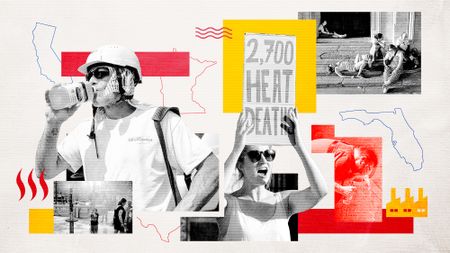 Science SpotlightClimate change will triple the number of days over 105 F in the US. The health impacts will be dire.
Extreme heat will become more common as the climate continues to warm. That will affect almost every facet of our health.
-
 Science spotlightWhat the US could learn from Japan's incentive for responsible antibiotic use
The Japanese government incentivizes doctors to avoid prescribing antibiotics for certain ailments, but would the same approach work in the U.S.?
-


-
-
 Features'More Neanderthal than human': How your health may depend on DNA from our long-lost ancestors
Neanderthals and humans mated millennia ago, and their legacy lives on in us today. Here's how.
-
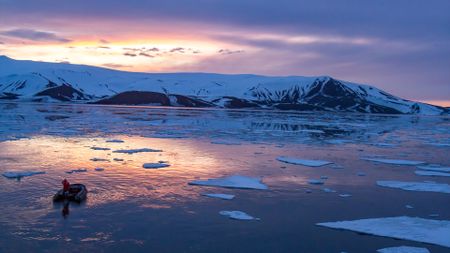 Features'We were in disbelief': Antarctica is behaving in a way we've never seen before. Can it recover?
Antarctic sea ice has been disappearing over the last several summers. Now, climate scientists are wondering whether it will ever come back.
-
 FeaturesInside the 20-year quest to unravel the bizarre realm of 'quantum superchemistry'
More than two decades ago, scientists predicted that at ultra-low temperatures, many atoms could undergo 'quantum superchemistry' and chemically react as one. They've finally shown it's real.
-
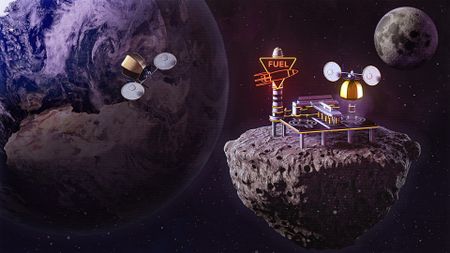 FeaturesUndiscovered extra moons may orbit Earth. Could they help us become an interplanetary species?
Due to their proximity to Earth, minimoons are prime candidates for exploration. Now, some scientists want to use these tiny satellites to push humanity further into the cosmos.
-
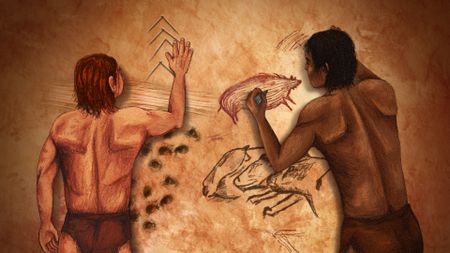 FeaturesDid art exist before modern humans? New discoveries raise big questions.
Scientists are finding ever-earlier examples of artistic expression in the archaeological record that reshape what we know about the cognitive abilities of our archaic human relatives, such as Neanderthals.
-
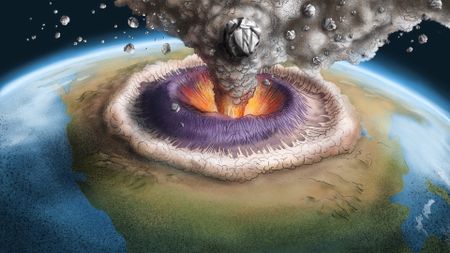 FeaturesFountains of diamonds that erupt from Earth's center are revealing the lost history of supercontinents
Diamonds seem to reach Earth's surface in massive volcanic eruptions when supercontinents break up, and they form when continents come together.
-
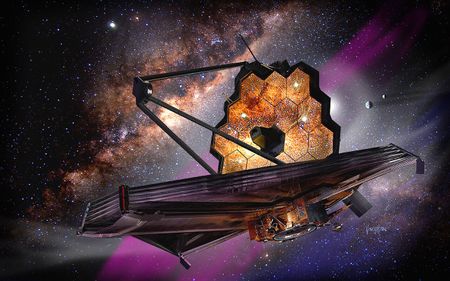 FeaturesAfter 2 years in space, the James Webb telescope has broken cosmology. Can it be fixed?
For decades, measurements of the universe's expansion have suggested a disparity known as the Hubble tension, which threatens to break cosmology as we know it. Now, on the eve of its second anniversary, a new finding by the James Webb Space Telescope has only entrenched the mystery.
-
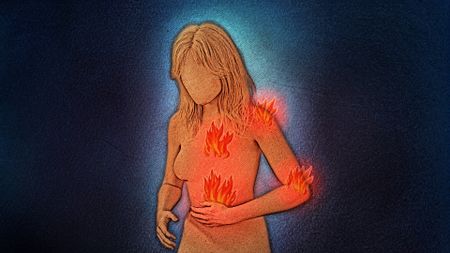 Features'If you don't have inflammation, then you'll die': How scientists are reprogramming the body's natural superpower
Inflammation can be both a superhero and a villain, depending on the context. Rather than eliminating it completely, new treatments are trying to redirect it.
-
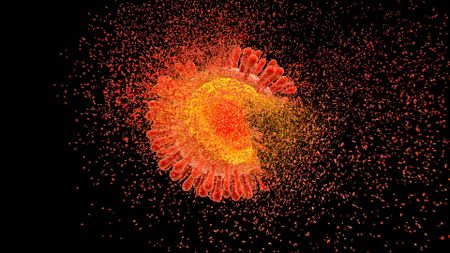 FeaturesWe could end the AIDS epidemic in less than a decade. Here's how.
Experts have laid out a road map to ending the AIDS epidemic by 2030. Is it possible?
-


