








-
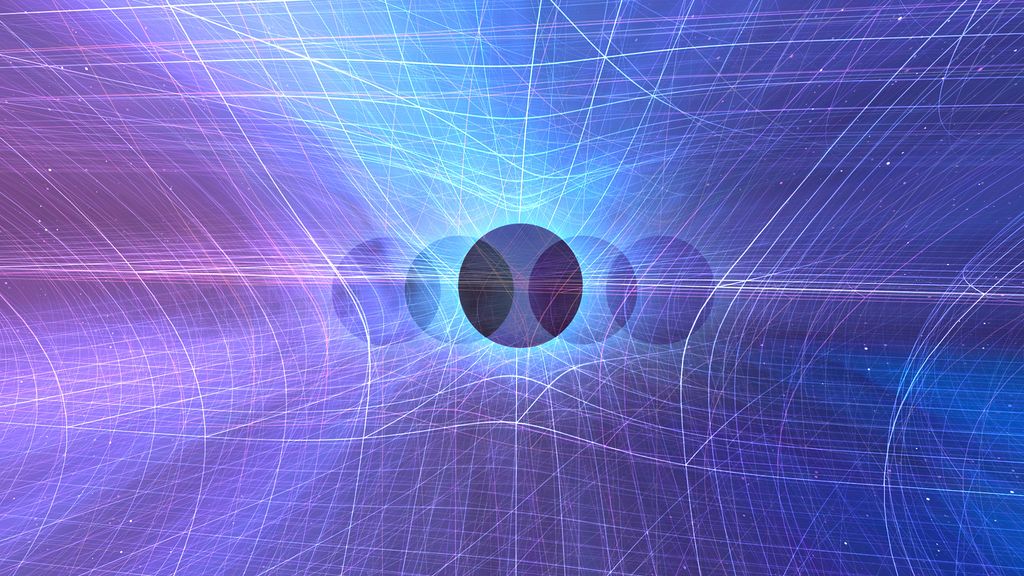 Science SpotlightWhat if space and time don't exist? Physicists are chasing hints that our reality emerges from something deeper
Space and time seem like the bedrock of reality. But startling clues are leading physicists toward the possibility that something stranger lies beneath.
-
-
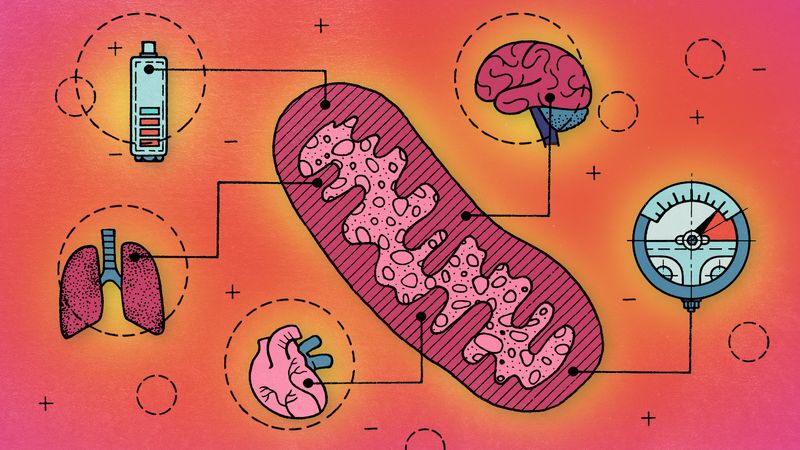 Science SpotlightWhen a battery dies, you replace it — how jumpstarting cells with fresh mitochondria could revolutionize medicine
Mitochondria can become compromised in a number of medical conditions. What if they could be replaced like batteries?
-
 Science SpotlightCan you really adapt your way out of a climate crisis? These 3 cities are looking to prove you can.
Climate change will fundamentally challenge the world's urban centers. Three cities — San Diego, Milan and Jakarta — offer lessons for how to adapt to a warming planet.
-
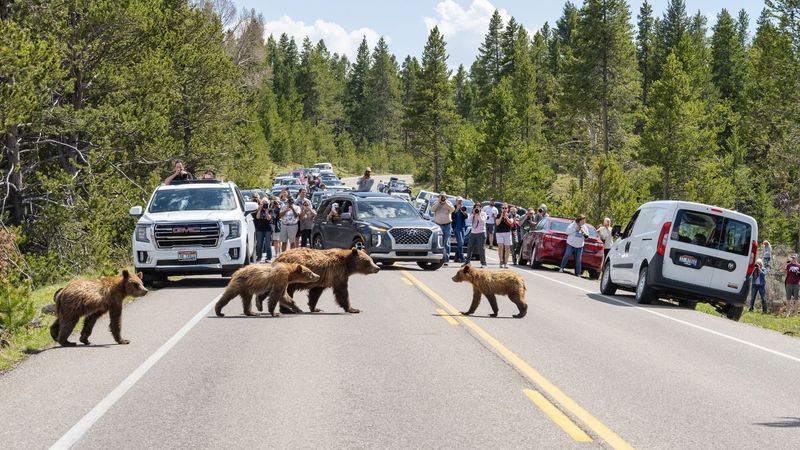 Science Spotlight'We're looking at how a bear sees the world': From forest trails to 'Sims for Bears,' researchers are learning how grizzlies navigate a fragmented wilderness
Scientists in the U.S. and Canada are decoding grizzly bears' behavior to learn how they navigate a human-dominated world. What they find could build a safer future for both species.
-
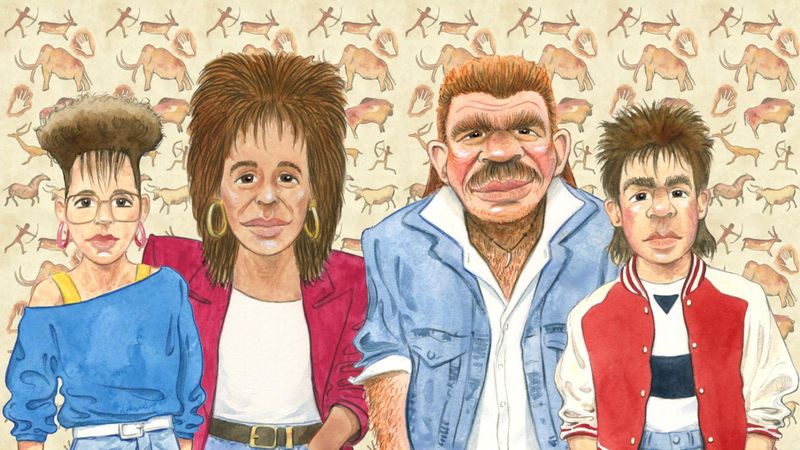 Science SpotlightNeanderthal DNA still survives in our human family tree. What were our ancient relatives' relationships like?
Developing research suggests that ancient interbreeding wasn't random — it was socially patterned, directional and far more complicated than the headlines suggest.
-


-
-
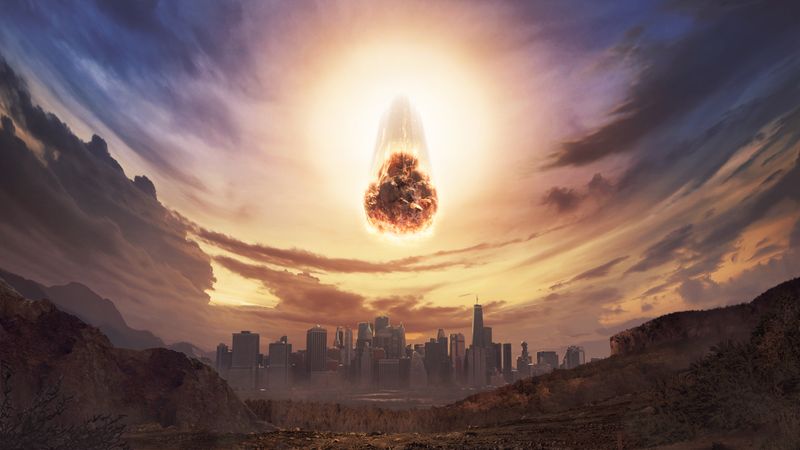 Features'Planet killer' asteroids are hiding in the sun's glare. Can we stop them in time?
In the glare of the sun, an unknown number of near-Earth asteroids move on unseen orbits. A new generation of space telescopes could be our best defense against potential disaster.
-
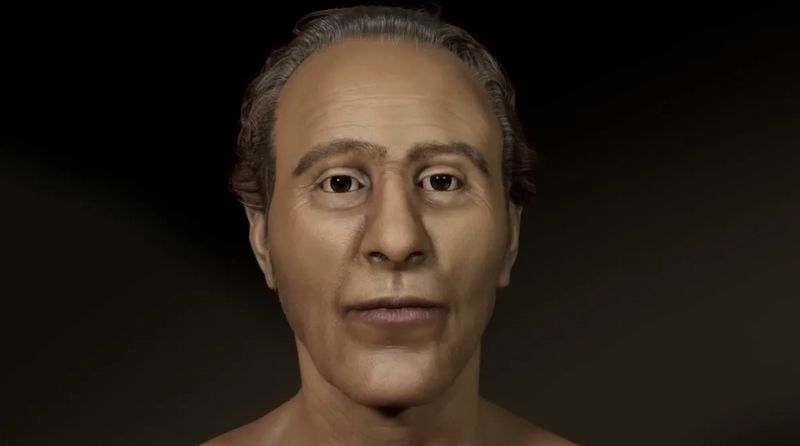 FeaturesFacial reconstructions help the past come alive. But are they accurate?
DNA analysis is changing the science of facial reconstructions and making them more lifelike than ever before.
-
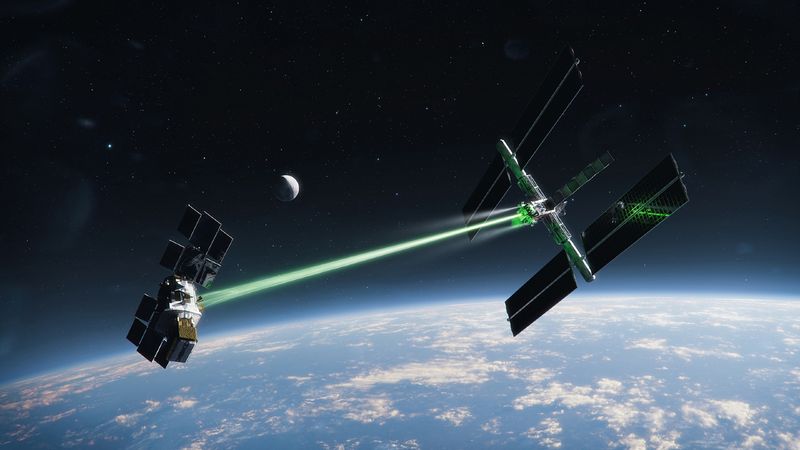 FeaturesSci-fi inspired tractor beams are real, and could solve a major space junk problem
Researchers are developing a real-life tractor beam, with the goal of pulling defunct satellites out of geostationary orbit to alleviate the space junk problem.
-
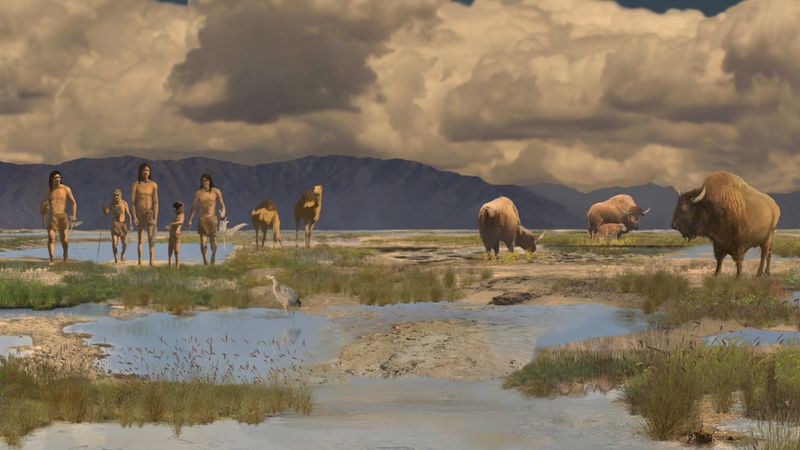 FeaturesThe 1st Americans were not who we thought they were
For decades, we thought the first humans to arrive in the Americas came across the Bering Land Bridge 13,000 years ago. New evidence is changing that picture.
-
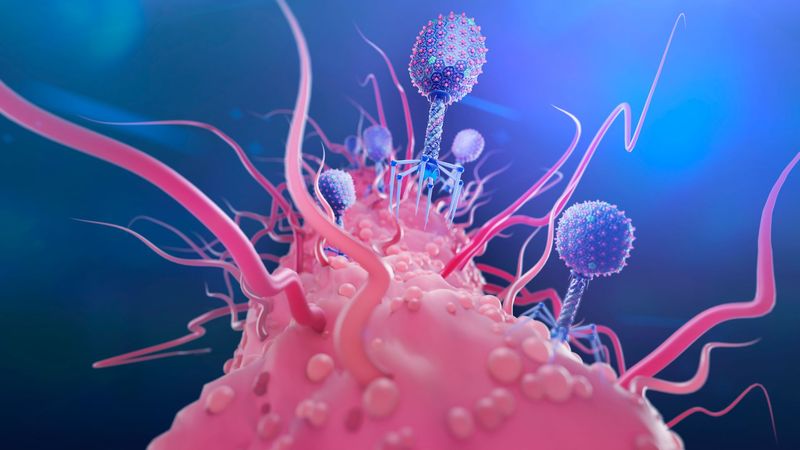 FeaturesDangerous 'superbugs' are a growing threat, and antibiotics can't stop their rise. What can?
Traditional antibiotics drive bacteria toward drug resistance, so scientists are looking to viruses, CRISPR, designer molecules and protein swords for better treatments.
-
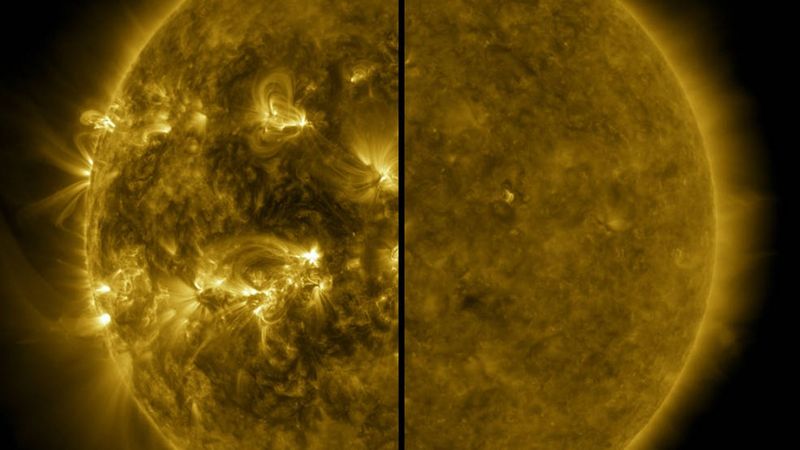 The SunSolar maximum could hit us harder and sooner than we thought. How dangerous will the sun's chaotic peak be?
The sun is quickly approaching a major peak in solar activity. Experts warn it could potentially begin by the end of 2023, years before initial predictions suggested.
-


