








-
 AnalysisAI found a weakness in one of the world's most studied encryption systems — is your data under threat?
No, AI hasn't cracked the encryption protecting your bank account. But experts say Anthropic's latest research could change how tomorrow's cryptography is tested.
-
-
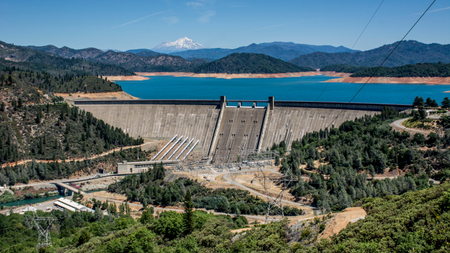 AnalysisHalf of the world's dams could be 'functionally inoperable' by 2060 from being flooded with sediment — and the American West is a major hotspot
Research shows a fifth of the world's reservoirs are currently at high risk of filling with sediment, creating a "ticking time bomb" that threatens lives and livelihoods.
-
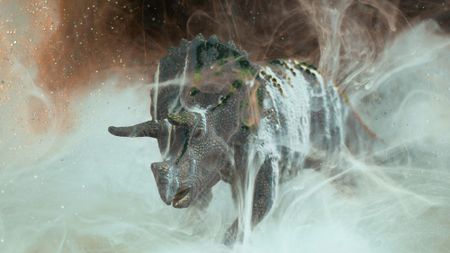 AnalysisDid fungi give mammals an evolutionary edge after the dinosaur-killing asteroid hit? New evidence revives a provocative hypothesis
A revived hypothesis argues that a fungus-filled world after the Chicxulub asteroid impact may have given mammals an evolutionary edge. The idea could reshape how scientists think about mass extinctions, but it is still controversial.
-
 AnalysisCould we prevent dementia? A new trial may point the way.
While much funding for dementia research goes toward treatments, some scientists want to reduce people's risk of developing the condition in the first place.
-
 AnalysisMilitary's testosterone screening program could lead to overtreatment and side effects, including impaired T production
The U.S. Department of Defense plans to conduct regular testosterone screening of service members, but this practice is not recommended by professional medical organizations.
-


-
-
 Artificial IntelligenceWill AI ever be more creative than humans?
A new study argues that AI can never be more creative than humans, but many experts argue that AI's output will only ever be as good as its input — with the goalposts shifting as AI improves in the years to come.
6 Comments -
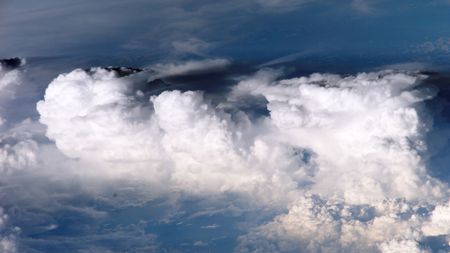 Weather'Nobody knew why this was happening': Scientists race to understand baffling behavior of 'clumping clouds'
Scientists are discovering that clumping clouds supercharge storms in surprising ways — driving heavy, deadly rainfall and flooding
-
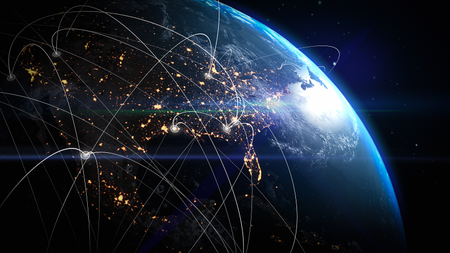 Artificial Intelligence'Putting the servers in orbit is a stupid idea': Could data centers in space help avoid an AI energy crisis? Experts are torn.
Google’s proposal to explore space-based AI infrastructure raises fundamental questions about energy, physics and feasibility – and whether Earth has really run out of options.
9 Comments -
 Opinion'Gospel stories themselves tell of dislocation and danger': A historian describes the world Jesus was born into
The modern Christmas themes of peace and joy were in short supply amid the ‘dislocation and danger’ of ancient Judea – as they are in today’s fractured world too.
-
 Artificial Intelligence'It won’t be so much a ghost town as a zombie apocalypse': How AI might forever change how we use the internet
AI slop, chatbots and agentic AI are changing the internet, and could transform it beyond recognition, experts say.
4 Comments -
 CancerNew tests could nearly halve the rate of late-stage cancers, some scientists say — is that true?
Blood tests that look for over a dozen cancers are being developed. But how soon will they help patients?
-
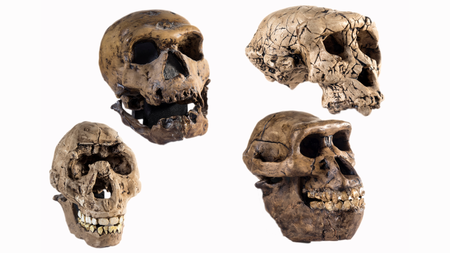 Human EvolutionScientists claim 'Lucy' may not be our direct ancestor after all, stoking fierce debate
Recent fossil finds could mean that "Lucy" wasn't our direct ancestor, some scientists say. Others strongly disagree.
20 Comments -
 Quantum ComputingScientists build 'most accurate' quantum computing chip ever thanks to new silicon-based computing architecture
Researchers say they have created the world's first scalable atomic quantum processor that achieves record-breaking 99.99% fidelity.
-
 Artificial IntelligenceExperts divided over claim that Chinese hackers launched world-first AI-powered cyber attack — but that's not what they're really worried about
Anthropic said a Chinese espionage group used its Claude AI to automate most of a cyberattack campaign, but experts question how autonomous the operation really was, and what it means for the future of AI-powered hacking.
2 Comments
-


