








-
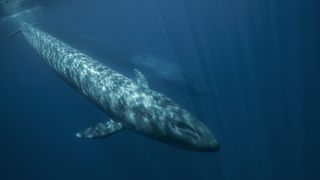 AnalysisBlue whales have gone missing off the Galápagos. Scientists think El Niño could be why.
Blue whale sightings have fallen off dramatically near the Galápagos. El Niño may be to blame.
-
-
 AnalysisCould AI ever build itself? Scientists map the road to the 'last AI built by humans.'
Researchers hope recursive self-improvement could tackle the skyrocketing costs of developing advanced AI models. But is it viable?
-
 AnalysisColorectal cancer cases in kids have risen sixfold over past 2 decades — researchers are racing to understand why
While rare, colorectal cancer is becoming more common in kids, teens and young adults, and the disease appears particularly aggressive in this age group.
-
 AnalysisChristina Applegate misdiagnosis: Why can MS be difficult to diagnose?
MS advocate Christina Applegate recently announced that her MS diagnosis was incorrect, based on new test results. Why can the disease be difficult to identify?
-
 AnalysisScientists can now 'watermark' AI-generated proteins to deter bioweapon creation. But will it really work?
A new technology encodes an invisible mark into the structure of AI-generated proteins, but experts said the system's guardrails can still be bypassed.
-


-
-
 Artificial IntelligenceEven AI has trouble figuring out if text was written by AI — here's why
There are several methods for detecting whether a piece of text was written by AI. They all have limitations – and probably always will.
-
 Artificial IntelligenceWill AI ever be more creative than humans?
A new study argues that AI can never be more creative than humans, but many experts argue that AI's output will only ever be as good as its input — with the goalposts shifting as AI improves in the years to come.
6 Comments -
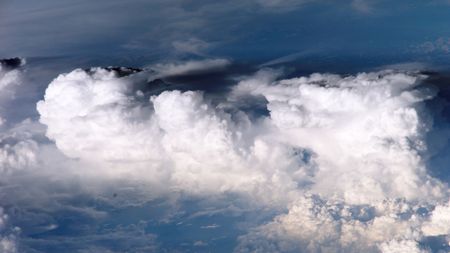 Weather'Nobody knew why this was happening': Scientists race to understand baffling behavior of 'clumping clouds'
Scientists are discovering that clumping clouds supercharge storms in surprising ways — driving heavy, deadly rainfall and flooding
-
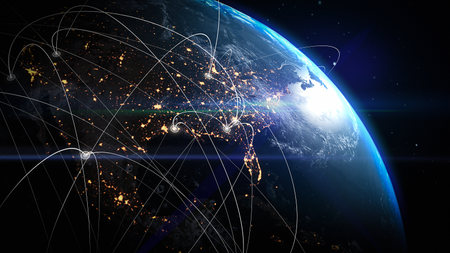 Artificial Intelligence'Putting the servers in orbit is a stupid idea': Could data centers in space help avoid an AI energy crisis? Experts are torn.
Google’s proposal to explore space-based AI infrastructure raises fundamental questions about energy, physics and feasibility – and whether Earth has really run out of options.
9 Comments -
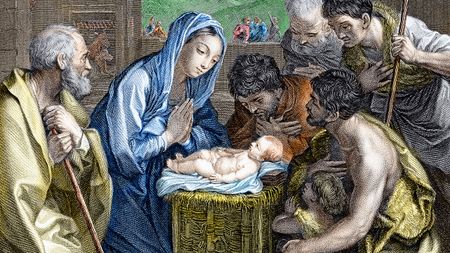 Opinion'Gospel stories themselves tell of dislocation and danger': A historian describes the world Jesus was born into
The modern Christmas themes of peace and joy were in short supply amid the ‘dislocation and danger’ of ancient Judea – as they are in today’s fractured world too.
-
 Artificial Intelligence'It won’t be so much a ghost town as a zombie apocalypse': How AI might forever change how we use the internet
AI slop, chatbots and agentic AI are changing the internet, and could transform it beyond recognition, experts say.
4 Comments -
 CancerNew tests could nearly halve the rate of late-stage cancers, some scientists say — is that true?
Blood tests that look for over a dozen cancers are being developed. But how soon will they help patients?
-
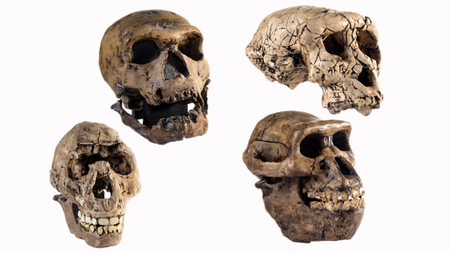 Human EvolutionScientists claim 'Lucy' may not be our direct ancestor after all, stoking fierce debate
Recent fossil finds could mean that "Lucy" wasn't our direct ancestor, some scientists say. Others strongly disagree.
20 Comments -
 Quantum ComputingScientists build 'most accurate' quantum computing chip ever thanks to new silicon-based computing architecture
Researchers say they have created the world's first scalable atomic quantum processor that achieves record-breaking 99.99% fidelity.
-


