








-
 AnalysisAI found a weakness in one of the world's most studied encryption systems — is your data under threat?
No, AI hasn't cracked the encryption protecting your bank account. But experts say Anthropic's latest research could change how tomorrow's cryptography is tested.
-
-
 AnalysisHalf of the world's dams could be 'functionally inoperable' by 2060 from being flooded with sediment — and the American West is a major hotspot
Research shows a fifth of the world's reservoirs are currently at high risk of filling with sediment, creating a "ticking time bomb" that threatens lives and livelihoods.
-
 AnalysisDid fungi give mammals an evolutionary edge after the dinosaur-killing asteroid hit? New evidence revives a provocative hypothesis
A revived hypothesis argues that a fungus-filled world after the Chicxulub asteroid impact may have given mammals an evolutionary edge. The idea could reshape how scientists think about mass extinctions, but it is still controversial.
-
 AnalysisCould we prevent dementia? A new trial may point the way.
While much funding for dementia research goes toward treatments, some scientists want to reduce people's risk of developing the condition in the first place.
-
 AnalysisMilitary's testosterone screening program could lead to overtreatment and side effects, including impaired T production
The U.S. Department of Defense plans to conduct regular testosterone screening of service members, but this practice is not recommended by professional medical organizations.
-


-
-
 HealthShould compulsive shopping and gaming be considered an addiction? Psychiatrists are considering expanding the definition.
Mental health professionals recognize problematic gambling as an addiction. Should the same apply to excessive gaming, compulsive sexual behavior and problematic social media use?
-
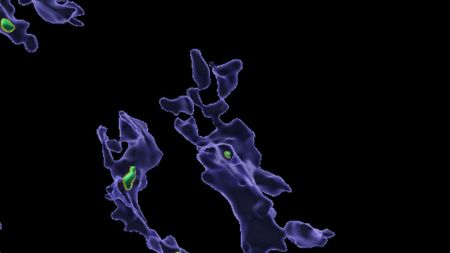 HealthMicroplastics that accumulate in the body may 'clog up' immune cells
Microplastics that break off polystyrene food containers might prevent immune cells from fighting infections and clearing away dead cells, as well as reducing sperm counts, a mouse study hints.
3 Comments -
 Artificial IntelligenceWhat's the biggest bottleneck to building better AI? It's no longer the lack of computing resources — it's generating enough energy to feed it
For decades, AI was held back by slow, expensive computers. Today, the problem is simpler, but harder to fix: finding enough reliable electricity to keep data centers running as AI spreads into everyday life.
-
 Climate changePlanting trees in the sea could act as a huge carbon sink and save millions of dollars in storm damage every year. What is stopping us from doing it?
A new study reveals restoring mangroves could save $800 million in storm damage, protect 140,000 people from flooding, and remove almost triple the amount of CO2 produced by cars in the U.S. every year.
6 Comments -
 Artificial IntelligenceYour own voice could be your biggest privacy threat. How can we stop AI technologies exploiting it?
Voices contain countless cues about their owners, and new research suggests that computers might use them to facilitate a range of bad behaviors.
-
 Planet EarthThe biggest trees in the Peruvian Amazon store the most carbon — and they also face the greatest threat from humans
The Amazon's biggest trees store disproportionately more carbon than smaller trees do, new study finds. But in the Peruvian Amazon, large trees are currently prioritized for harvest.
3 Comments -
 HIV'DNA origami' could be key for making an effective HIV vaccine, early study hints
A new vaccine design uses folded DNA to steer the immune system toward producing the rare immune cells needed to make protective antibodies against HIV.
-
 Heart & Circulation'Night owls' may have worse heart health — but why?
Emerging evidence suggests that "night owls" are more likely to have poor heart health and a higher risk of heart attack or stroke than "morning larks." Why is that?
2 Comments -
 Health'There's no reason to ban us from playing': Analysis debunks notion that transgender women have inherent physical advantages in sports
A meta-analysis of 52 studies that included over 5,000 transgender people suggests that transgender women's physical fitness after hormone therapy is comparable to that of cisgender women.
-


