








-
 AnalysisAI found a weakness in one of the world's most studied encryption systems — is your data under threat?
No, AI hasn't cracked the encryption protecting your bank account. But experts say Anthropic's latest research could change how tomorrow's cryptography is tested.
-
-
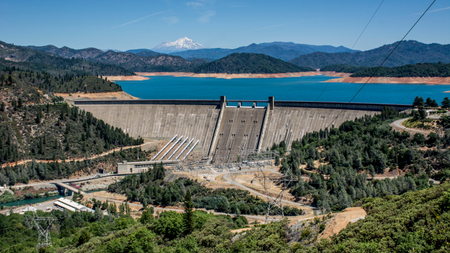 AnalysisHalf of the world's dams could be 'functionally inoperable' by 2060 from being flooded with sediment — and the American West is a major hotspot
Research shows a fifth of the world's reservoirs are currently at high risk of filling with sediment, creating a "ticking time bomb" that threatens lives and livelihoods.
-
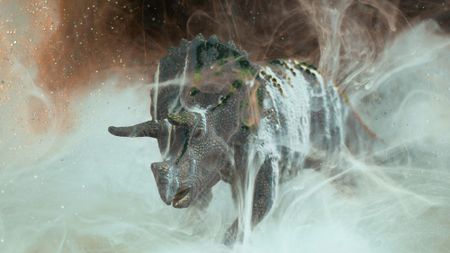 AnalysisDid fungi give mammals an evolutionary edge after the dinosaur-killing asteroid hit? New evidence revives a provocative hypothesis
A revived hypothesis argues that a fungus-filled world after the Chicxulub asteroid impact may have given mammals an evolutionary edge. The idea could reshape how scientists think about mass extinctions, but it is still controversial.
-
 AnalysisCould we prevent dementia? A new trial may point the way.
While much funding for dementia research goes toward treatments, some scientists want to reduce people's risk of developing the condition in the first place.
-
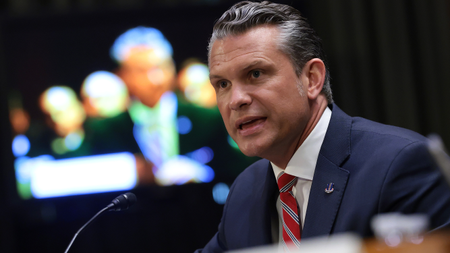 AnalysisMilitary's testosterone screening program could lead to overtreatment and side effects, including impaired T production
The U.S. Department of Defense plans to conduct regular testosterone screening of service members, but this practice is not recommended by professional medical organizations.
-


-
-
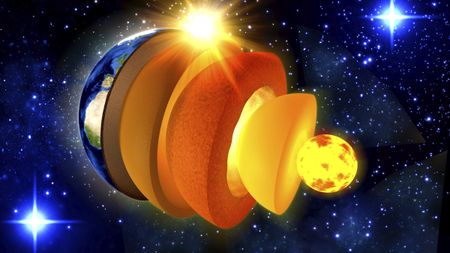 Planet EarthEarth is 'missing' lighter elements. They may be hiding in its solid inner core.
These chemical oddities may explain why Earth seems to be deficient in certain elements — and could prove useful in catalysts and more.
-
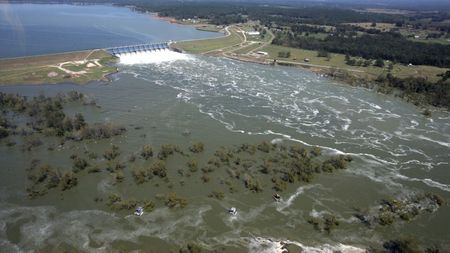 Planet EarthThousands of dams in the US are old, damaged and unable to cope with extreme weather. How bad is it?
Dams in the U.S. are showing signs of damage that are worsening with age and climate change. Could satellites help prioritize repairs amid budget and inspection constraints?
-
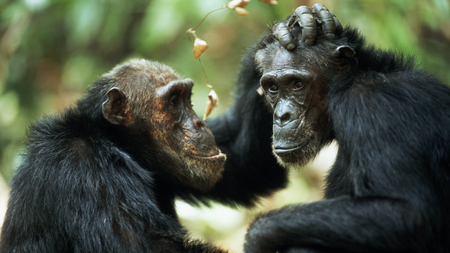 Primates'Part of the evolutionary fabric of our societies': Same-sex sexual behavior in primates may be a survival strategy, study finds
A new study comparing 59 species of primates linked same-sex sexual behavior to scarce resources and more predators in socially complex species. The findings show diverse sexual behaviors are common — and likely beneficial in primates.
-
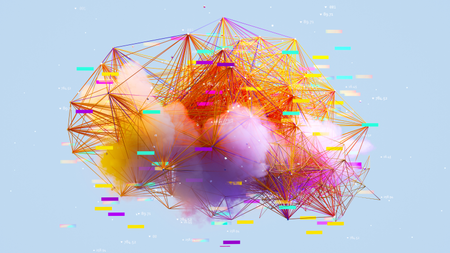 Artificial IntelligenceAI can develop 'personality' spontaneously with minimal prompting, research shows. What does that mean for how we use it?
When large language models (LLMs) are allowed to interact without any preset goals, scientists found distinct personalities emerged by themselves.
4 Comments -
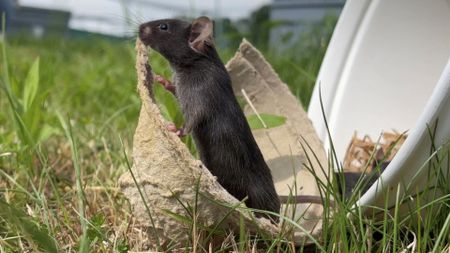 HealthLab mice that 'touch grass' are less anxious — and that highlights a big problem in rodent research
Mice that experience the real world may be better models for human mental health conditions, compared with lab mice that never leave their cages, a study hints.
-
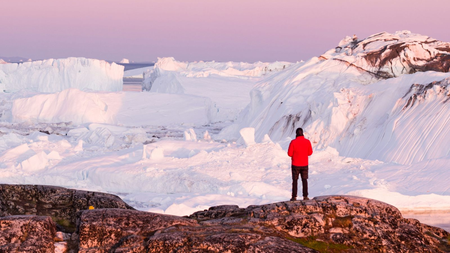 Opinion'The scientific cost would be severe': A Trump Greenland takeover would put climate research at risk
Trump's calls for a takeover of Greenland puts open scientific collaboration that is helping our understanding of the threat of global sea-level rise at risk.
-
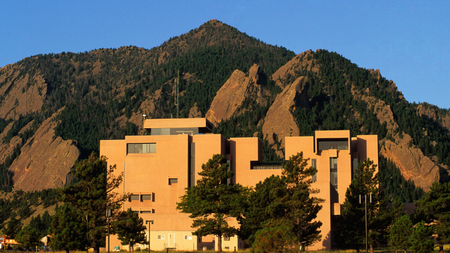 Planet EarthForced closure of premier US weather-modeling institute could endanger millions of Americans
From high-wind forecasts and wildfire behavior to floods, aviation hazards, air quality and space weather, science developed at the National Center for Atmospheric Research informs decisions that aim to reduce risk.
5 Comments -
 GeneticsThese genes were thought to lead to blindness 100% of the time. They don't.
New research finds that retinal diseases thought to map one-to-one to genetic mutations are more complicated than that.
-
 Artificial IntelligenceEven AI has trouble figuring out if text was written by AI — here's why
There are several methods for detecting whether a piece of text was written by AI. They all have limitations – and probably always will.
-


