

-
 How 'Bad' Gut Bacteria Can Change Their Evil Ways
The idea that gut bacteria can either be "good" or "bad" may not tell the whole story.
immune-system -
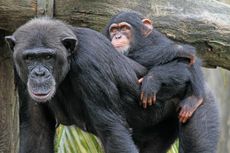 Who Would Win a Human-vs.-Chimp Wrestling Match?
In the most detailed study to date comparing the muscles of chimps and humans, researchers found that chimps are 1.35 times more powerful than people.
primates -
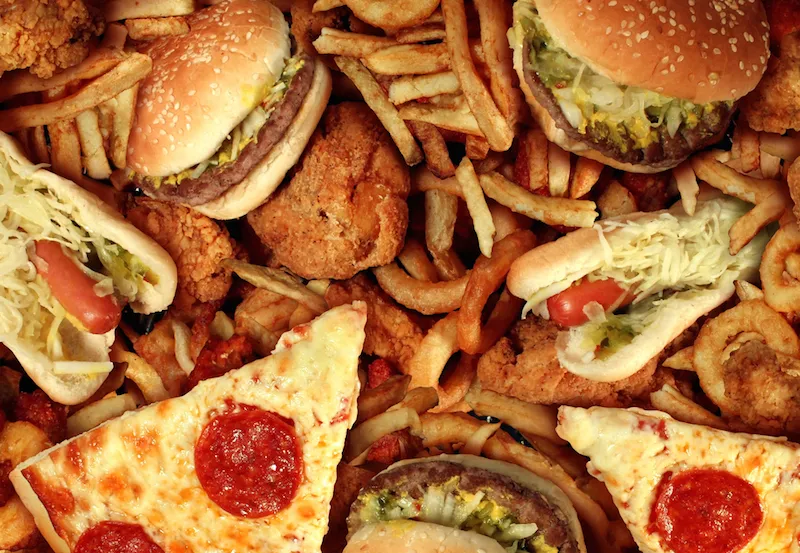
 Doctors Want Sugar and 'Cancer-Causing' Foods Out of Hospitals
The AMA is taking aim at hospitals with a policy recommendation encouraging healthier food and drink options for patients, visitors and staff.
food-drink -
 Chronic Pain May Stem from Pain Receptors in Hiding
Scientists find that pain receptors can hide inside cells; but they can still find them and deactivate them, which may lead to better pain medication.
medicine-drugs -
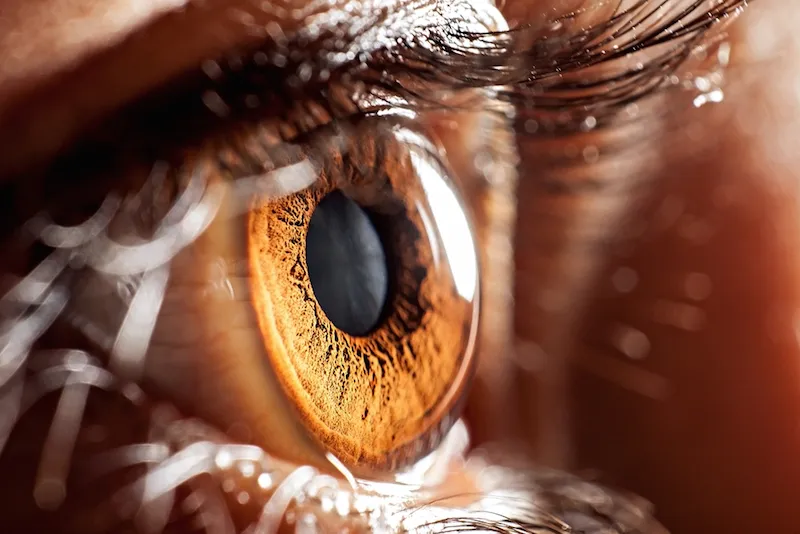
 3D-Printed 'Eyes' Could Help Blind Children's Faces Grow Naturally
Researchers used a 3D printer to create eye-like structures to help the faces of kids who are missing eyes to grow naturally and symmetrically.
neuroscience -
 Robot Completes Delicate Eye Surgery in First
The first robotic surgical technique for the eye brings great precision and safety to a delicate surgery on the retina.
neuroscience -
 How Bright Lights May Help Wake Patients from a Coma
Could encouraging a natural circadian rhythm help comatose patients awaken? A small study says yes.
neuroscience -
 Why Breathing Deeply Helps You Calm Down
The brain center that links breathing and calmness has been found.
psychology -
 How Fast Will Your Brain Age? Scientists Identify Key Gene
Scientists have found that a gene called TMEM106B controls how fast the brain ages and helps protect against dementia.
aging