


-
 Do blind people 'see' images in their dreams?
For people who have been blind since birth, brain scans alone can't reveal if they dream in images.
sleep -
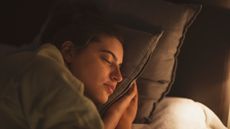 Does the brain flush out toxins while you sleep?
As we sleep, the brain rids itself of waste built up throughout the day. But how?
sleep -
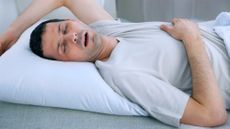 Can you hear yourself snore?
Are snorers immune to the sounds of their own snores?
sleep -
 Co-sleeping with pet dogs — but not cats — linked to poorer sleep in study
A survey-based study finds that people who sleep in the same room as their dogs show worse sleep quality. Cats weren't linked to the same effect.
sleep -
 The case against daylight saving, from a neurologist and sleep expert
While that "extra" hour of sunlight in the evenings can be exhilarating, it comes with significant health trade-offs.
sleep -
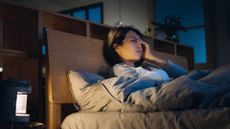 'Rare' disorder that causes extreme sleepiness may be more common than thought
A new study suggests that a sleep disorder called idiopathic hypersomnia may not be as rare as previously thought.
sleep -
 Kids' use of melatonin 'exceedingly common,' Colorado study finds
Researchers have raised concerns about the high number of kids and preteens consistently taking melatonin, because the long-term safety of the sleep aid has not been well-studied.
sleep -
 Night owl or early bird? How your 'chronotype' influences cognition
Your brain has an internal clock that influences how your mind functions over the course of a day.
sleep -
 'Power naps' improve memory and lower heart disease risk, but long naps can have drawbacks
Short naps at the right time of day can boost focus, help solidify memories and potentially improve heart health.
sleep


