


-
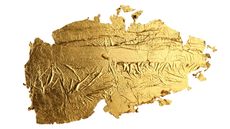 World's thinnest gold leaf, dubbed 'goldene,' is just 1 atom thick
Goldene is the latest 2D material to be made since graphene was first created in 2004.
chemistry -
 Inside the 20-year quest to unravel the bizarre realm of 'quantum superchemistry'
Feature More than two decades ago, scientists predicted that at ultra-low temperatures, many atoms could undergo 'quantum superchemistry' and chemically react as one. They've finally shown it's real.
Feature -
 Bismuth is so strongly repelled from magnets, it levitates. How?
The element bismuth can "float" between magnets due to magnetic levitation. What's the science behind this phenomenon?
chemistry -
 Best chemistry sets: amazing at-home chemistry sets for kids and adults
Get the reaction you're looking for with the best chemistry sets for kids and adults.
chemistry -
 Can static electricity cause a fire?
It's commonplace to get a jolt from static electricity. But does it have enough electrical charge to start a fire?
chemistry -
 Why are blueberries blue?
We finally understand why blueberries are blue — and the secret lies not in the flesh or skin, but the waxy coating around it.
chemistry -
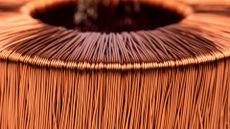 Is copper magnetic?
The reason for copper's unique properties comes down to the configuration of its electrons.
chemistry -
 Why does ice float?
Why does ice float in water, instead of sinking to the bottom? It has to do with water's density and molecular structure.
chemistry -
 Building blocks of life may have formed on dust in the cold vacuum of space
Far from any galaxy, icy grains of dust in deep space may be able to form organic molecules, a new preprint study finds.
chemistry


